PTO Shaft for PTO Generator & PTO Alternator — Stable Power Delivery for On-Farm Electricity Generation
The PTO generator shaft — also known as a PTO alternator driveshaft, tractor generator cardan shaft, farm power generator PTO driveline, or emergency generator PTO drive shaft — connects the tractor’s power take-off to the input shaft of a PTO-driven AC generator or alternator unit, enabling the tractor to serve as a mobile power station for on-farm irrigation pump drives, workshop power, grain handling equipment, emergency lighting, and remote rural electrical supply.
PTO generators are widely used across Australian agriculture — particularly in areas with unreliable grid power, remote properties beyond grid reach, and emergency backup applications during storm damage to utility infrastructure. The PTO shaft for a generator application has unique engineering requirements compared to all other PTO applications: absolute speed consistency (generator output frequency is directly proportional to shaft RPM — any variation produces frequency deviation that damages sensitive electronics), long continuous duty capability (generators often run for 6–48 hours continuously during emergencies), and zero overload protection need (generators are inherently current-limited by their control circuitry — no cam or friction protection is typically needed). Our PTO generator shaft (Series 4/5) delivers the precision-balanced, continuously-rated drive that electrical generation demands.

Browse our PTO generator shaft range or contact our team for generator driveline specifications.
Technical Specifications — PTO Shaft for PTO Generator / PTO Alternator
| المعلمة | Standard Value | Customisable Range |
|---|---|---|
| Series | Series 4 / Series 5 | Series 3–6 |
| PTO Speed | 540 RPM (most generators) / 1000 RPM | 540 / 1000 RPM |
| Power Rating | Up to 65 kW | 15–120 kW |
| Continuous Duty Rating | 100% continuous rated | 100% — no intermittent derate |
| Generator Output (typical) | 10–80 kVA (0.8 pf) | 5–150 kVA |
| Compressed Length | 600–840 mm | 440–1,600 mm |
| Extended Length | 960–1,380 mm | 670–2,200 mm |
| Tube Profile | Triangular / Star | Tri / Star |
| CV Joint | Standard (if gen. is fixed — cross-joint OK) | Cross-joint / CV ±30° |
| Working Angle | ±15° (fixed gen. typically small angle) | ±15° to ±30° |
| Input Spline | 1-3/8″ × 6 spline | 1-3/8″×6 / 1-3/4″×20 |
| Output (Generator Input) | SAE-B or SAE-C flange / 1-3/8″×6 | SAE A/B/C flange / spline |
| Overload Protection | Friction clutch (optional — generator self-limits) | Friction / None (generator loads self-limit) |
| Slip Torque (if fitted) | 800–1,200 N·m | 300–2,000 N·m |
| Balance Class | ISO G2.5 (frequency-critical applications) | G6.3 / G2.5 |
| Guard Type | Full-cone PE UV-stable | Full / Half cone PE |
| Grease Interval | Every 8 hours operation / Every 50 hrs long-run | 8–50 hrs by application |
| Sealed Cross-Kits | IP55 standard (outdoor generator use) | IP55 |
| Surface Finish | Zinc plate + UV-stable enamel | Various |
| Yoke Material | Forged 20CrMnTi / 40Cr | 20CrMnTi / 40Cr |
| Temp Range | -20 °C to +80 °C | -40 °C to +100 °C |
Working Principle of the PTO Generator Shaft — Precision Speed for Clean Power
A PTO-driven generator operates on a fundamental principle: the generator rotor (typically a 4-pole synchronous machine) must rotate at exactly 1,500 RPM to produce 50 Hz AC power (the Australian standard). With most generators specified for 540 RPM PTO input, this requires a 1:2.78 step-up gearbox inside the generator set. The PTO shaft delivers 540 RPM to this gearbox input; the gearbox steps up to 1,500 RPM at the generator rotor.
Any variation in the PTO shaft’s rotational speed translates directly to generator output frequency variation. Modern inverter-generator electronics can tolerate ±2% frequency variation (49–51 Hz) without issue, but sensitive agricultural electronics (variable-speed drives, PLCs, computer systems) may suffer damage or control errors at variations exceeding ±0.5%. Our G2.5 precision-balanced shaft maintains RPM variation below ±0.5% at 540 RPM under full generator load — the tightest control available in an agricultural shaft design. For 1,000 RPM PTO generator applications (generating 50 Hz via 3,000 RPM 2-pole machines), G2.5 balance at 1,000 RPM is even more critical and is our standard specification.
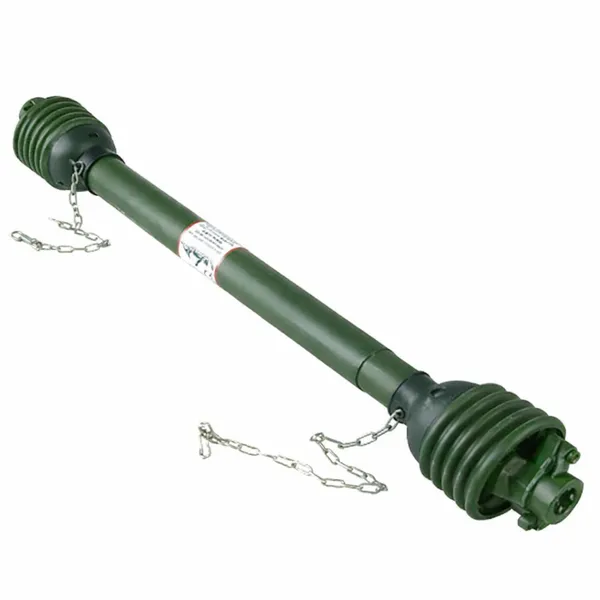
Core Advantages of Our PTO Shaft for PTO Generator / PTO Alternator
⚡ G2.5 Precision Balance for Frequency Stability
ISO G2.5 dynamic balance at 540 or 1,000 RPM maintains shaft-induced frequency variation below ±0.2 Hz — protecting sensitive agricultural electronics connected to PTO generator power from shaft-vibration-induced frequency fluctuation.
100% Continuous Duty Rating
All components — cross-kits, tube profile, guard, grease volume — dimensioned for 100% continuous operation without service interval interruption. Standard agricultural shafts are derated for continuous duty; generator shafts are not.
SAE Flange Generator Input Options
SAE-A, SAE-B, and SAE-C 2-bolt flange output yokes available for direct coupling to generator input flanges — the standard connection method for quality generator sets that provides superior alignment over spline connections for frequency-sensitive continuous duty.
️ IP55 for Outdoor Generator Use
PTO generators are frequently operated outdoors during storm emergencies in rain, damp, and post-storm conditions. IP55 sealed cross-kits prevent moisture infiltration during continuous outdoor operation — critical for generators used during post-cyclone or bushfire infrastructure recovery.
⏱️ Extended 50-Hour Grease Interval (Sealed)
50-hour greasing intervals with IP55 sealed cross-kits enable 48+ hour continuous emergency generation sessions without maintenance interruption — meeting the continuous duty requirements of post-disaster infrastructure recovery operations.
SAA/ESV Compliance Documentation
CE Declaration of Conformity and dimensional inspection reports supplied — supporting electrical safety compliance documentation for PTO generator installations under AS/NZS 3000 (Wiring Rules) and state electrical safety acts.
Brand Compatibility & Cross-References
Direct drop-in replacement for OEM shafts on: Genelec, FG Wilson, Stamford, Mecc Alte, Leroy-Somer, Linz Electric, Pramac, PowerLand. 12,000+ cross-references verified before dispatch.
⚠️ Brand names cited for parts-compatibility identification only. No commercial affiliation claimed.
Spare parts stocked: S3–S8 cross-kits (open / IP55 / IP67) · Cam spring sets · Friction disc sets · Impact-resistant PE guards · Retaining chains · Yoke collars · SAE flange adaptors
→ Browse all PTO shaft accessories
Compliance & Regional Demand
Standards & Regulations: Standards: ISO 5673-1:2014, AS/NZS 3000 (Wiring Rules — generator installation), AS 2790 (electricity generating sets). AS 4024.3601 PTO guarding. State electrical safety: ESV (VIC), SafeWork NSW, DNRME QLD — PTO-driven generators require electrical safety inspection and tagging by a licensed electrician before connection to premises wiring. AS 1418.17 (cranes — mobile generator integration) where applicable.
Key Demand Regions: Key demand regions: Remote WA (off-grid properties), NT rural (Darwin surrounds), FNQ (cyclone emergency backup), Remote QLD (channel country), Outback NSW/SA (isolated properties), Rural VIC (post-storm backup for dairy farms).
CE Declaration, ISO material certs, and dimensional inspection reports supplied. GST-inclusive AUD invoicing.
Quick Selection Guide
| المعلمة | How to Determine | Guidance |
|---|---|---|
| Generator output (kVA) | From generator spec plate | Match shaft power rating ≥ generator rated kVA × 1.25 |
| PTO speed required | 540 or 1000 RPM — CRITICAL | Confirm on generator nameplate before ordering |
| Generator input coupling | SAE flange / Spline / Direct drive | SAE flange preferred for continuous duty alignment accuracy |
| Duty cycle | Emergency occasional / Regular seasonal / Continuous backup | Continuous backup: sealed cross-kits + 50 hr interval + G2.5 balance |
| Generator mounting | Fixed to tractor 3PL / Trailer-mounted / Ground-fixed | Fixed 3PL: standard shaft; ground-fixed: measure alignment carefully |
| Electronics connected | Sensitive VSD/PLC / General farm load | Sensitive electronics: G2.5 balance mandatory |
Installation Guide
- [Electrical safety — licensed person] Licensed electrician required for all generator-to-premises connections. PTO shaft installation is mechanical — but electrical commissioning must be by a licensed person.
- [Alignment measurement] Position generator set relative to tractor; measure PTO stub to generator input face.
- [Axial alignment critical] Align generator input shaft axis with PTO axis before shaft installation — misalignment causes rapid CV joint wear even at small angles.
- [Tractor connection] Apply anti-seize to PTO splines; install cross-joint or CV yoke (per angle); engage locking pin.
- [Generator connection] Connect SAE flange output to generator input; torque flange bolts to generator spec.
- [Guard — UV-stable mandatory for outdoor use] Fit full-cone UV-stable guard; anchor both chains — generator may be stationary while tractor engine runs for extended periods.
- [Frequency verification] Start tractor; engage PTO at idle; allow generator rotor to reach speed; check output frequency on generator panel (should read 50 Hz ± 0.5 Hz).
- [Load verification] Do not load generator until frequency is stable. After full load application, re-verify frequency. Grease at 8-hour intervals (50 hrs sealed).
️ Troubleshooting
⚠️ Generator output frequency unstable (48–52 Hz fluctuation)
Root Cause: PTO shaft vibration from worn cross-joint or imbalance causing speed variation
Fix: Replace cross-kits; check shaft balance at 540/1000 RPM — G2.5 balance required for frequency-sensitive loads
⚠️ Generator output voltage fluctuating in phase with shaft rotation
Root Cause: Shaft imbalance inducing mechanical vibration into generator rotor — causing stator-rotor air gap variation
Fix: Return shaft for G2.5 rebalancing; check alignment of generator input shaft to PTO axis
⚠️ Cross-kit seizing after outdoor emergency run in rain
Root Cause: Open-kit bearing cups saturated during prolonged outdoor operation in storm conditions
Fix: Upgrade to IP55 sealed cross-kits; grease immediately after any outdoor wet-condition operation
⚠️ Generator clutch slipping on motor start loads (if friction clutch fitted)
Root Cause: Motor starting current creates momentary high mechanical load exceeding clutch setting
Fix: Increase clutch preload; or consider removing friction clutch for generator applications where electronic protection is sufficient
⚠️ Shaft overheating at extended continuous operation
Root Cause: Insufficient grease for continuous duty; grease interval exceeded
Fix: Regrease; check grease volume in all nipple reservoirs; consider sealed 50-hour interval cross-kits for long-run applications
Australian Case Studies
Katherine, NT
Remote cattle station — emergency flood backup generator, 45 kVA
“”After the 2022 flood isolated our property for 3 weeks, our PTO generator became our only power source. The G2.5 balanced shaft kept our refrigeration, communications, and medical equipment running flawlessly for 21 days.””
Kalgoorlie, WA
Gold mine camp — off-grid 60 kVA PTO generator
“”Remote location, 1000 RPM PTO generator. Your G2.5 balanced shaft at 1000 RPM produces cleaner power than the mismatched shaft we were using — our VSD pump drives no longer produce fault alarms.””
Cairns hinterland, QLD
Tropical fruit farm — post-cyclone power recovery
“”Cyclone season means we power from PTO for weeks each year. IP55 sealed cross-kits allow us to run in wet tropical conditions without stopping for bearing maintenance. Critical for our cold-chain refrigeration.””
Broken Hill, NSW
Isolated station — solar-backup PTO generator
“”No grid power for 150 km. Our PTO generator runs for days at a stretch. The 50-hour sealed grease interval means we can run 2 days without interruption — previously we were stopping every 8 hours.””
Shepparton, VIC
Dairy farm — storm backup for milking and cooling systems
“”SA Power Networks outages during storms mean our dairy depends on the PTO generator. The stable 50 Hz from your G2.5 shaft means our variable-speed milking equipment runs perfectly without the voltage spikes we had from our old unbalanced shaft.””
❓ Frequently Asked Questions
Why does a PTO generator need a G2.5 balanced shaft rather than the standard G6.3?
What PTO speed does my generator need — 540 or 1000 RPM?
Do I need a friction clutch on a PTO generator shaft?
How long can a PTO generator shaft run continuously?
What electrical safety requirements apply to PTO generator installations in Australia?
Related Products
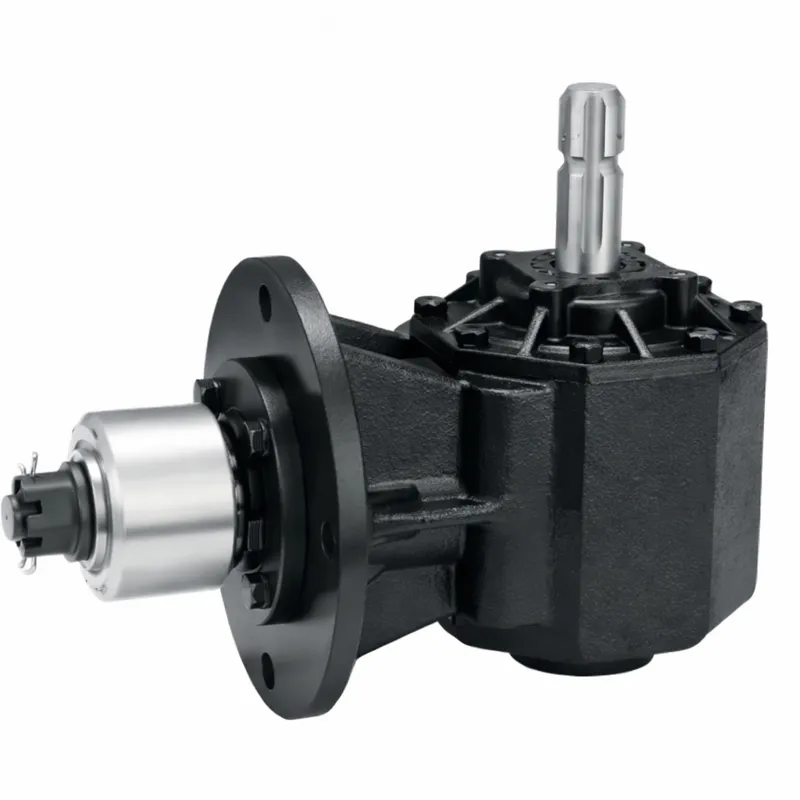
ملكنا علب تروس زراعية are precision-matched to our shaft series for seamless drivetrain integration.
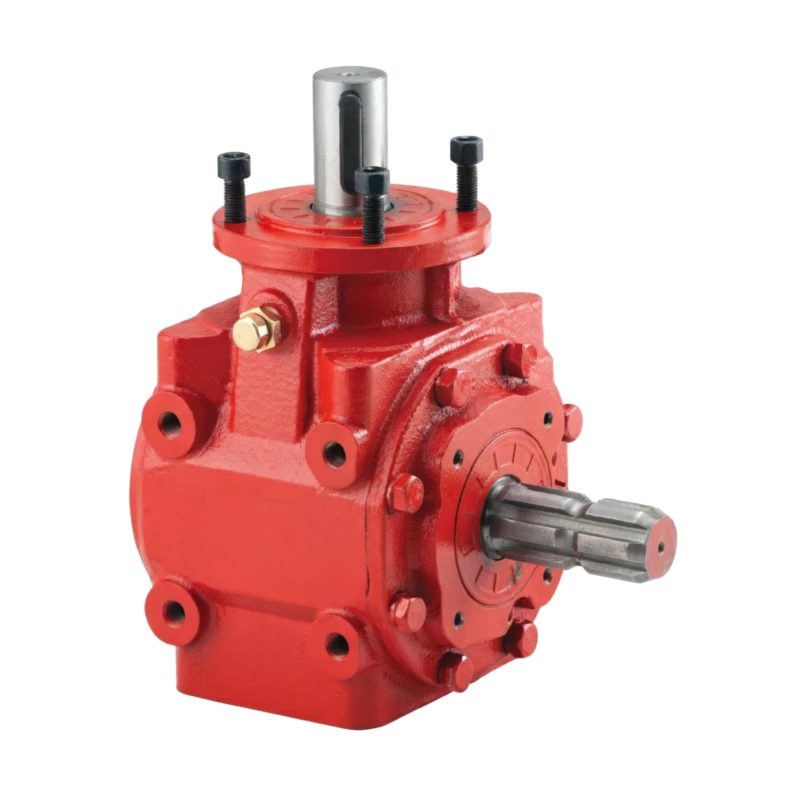
Agricultural Gearbox
Bevel, inline, and custom gearboxes matched to all PTO shaft series.
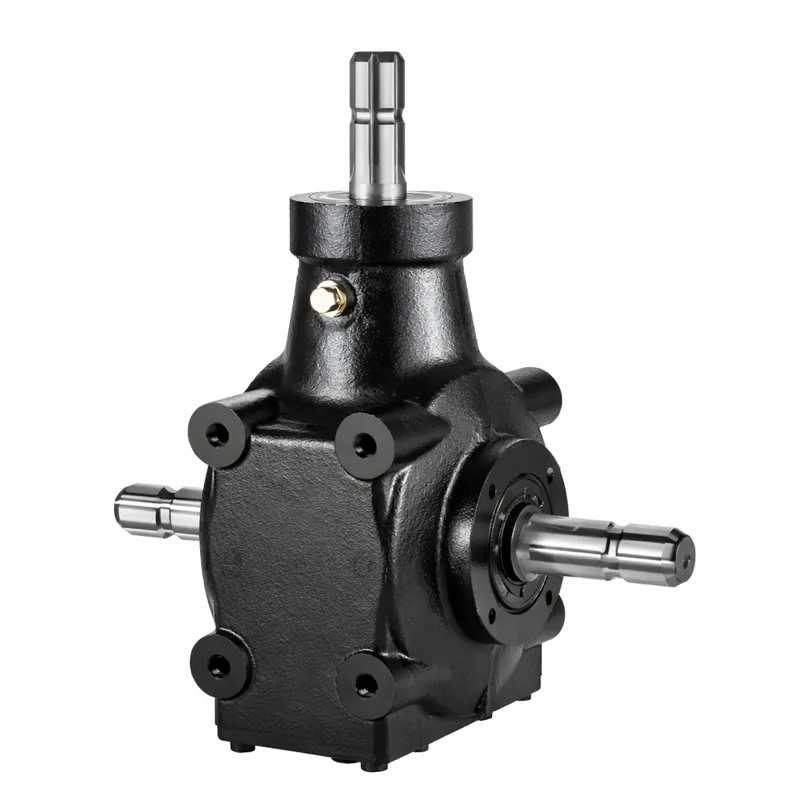
Cross-Kits & Clutch Parts
Full range from Series 2 to Series 8; IP55/IP67; cam spring sets; friction disc kits.
Impact-Resistant Guards
5–7 mm impact-resistant, UV-stable, low-profile, and chemical-resistant PE guard cones.