سلاسل زراعية لأنظمة تتبع الطاقة الشمسية
Single-axis and dual-axis solar trackers on Australian agricultural properties — whether integrated into agrivoltaic systems or standalone solar farms in the outback — present an agricultural chain specification challenge unlike any other: the chain must operate reliably for 10–15 years with minimal maintenance access, in extreme UV radiation, temperature cycling between -5°C and 70°C, and the corrosive dust and salt environments common to inland Australian conditions.
Most agricultural machinery chain is maintained by operators who inspect and lubricate it regularly. Solar tracker chains are typically in locations with limited access, serviced by contractors at infrequent intervals. The specification must compensate for the maintenance regime — not assume one.
The Australian Operating Challenge
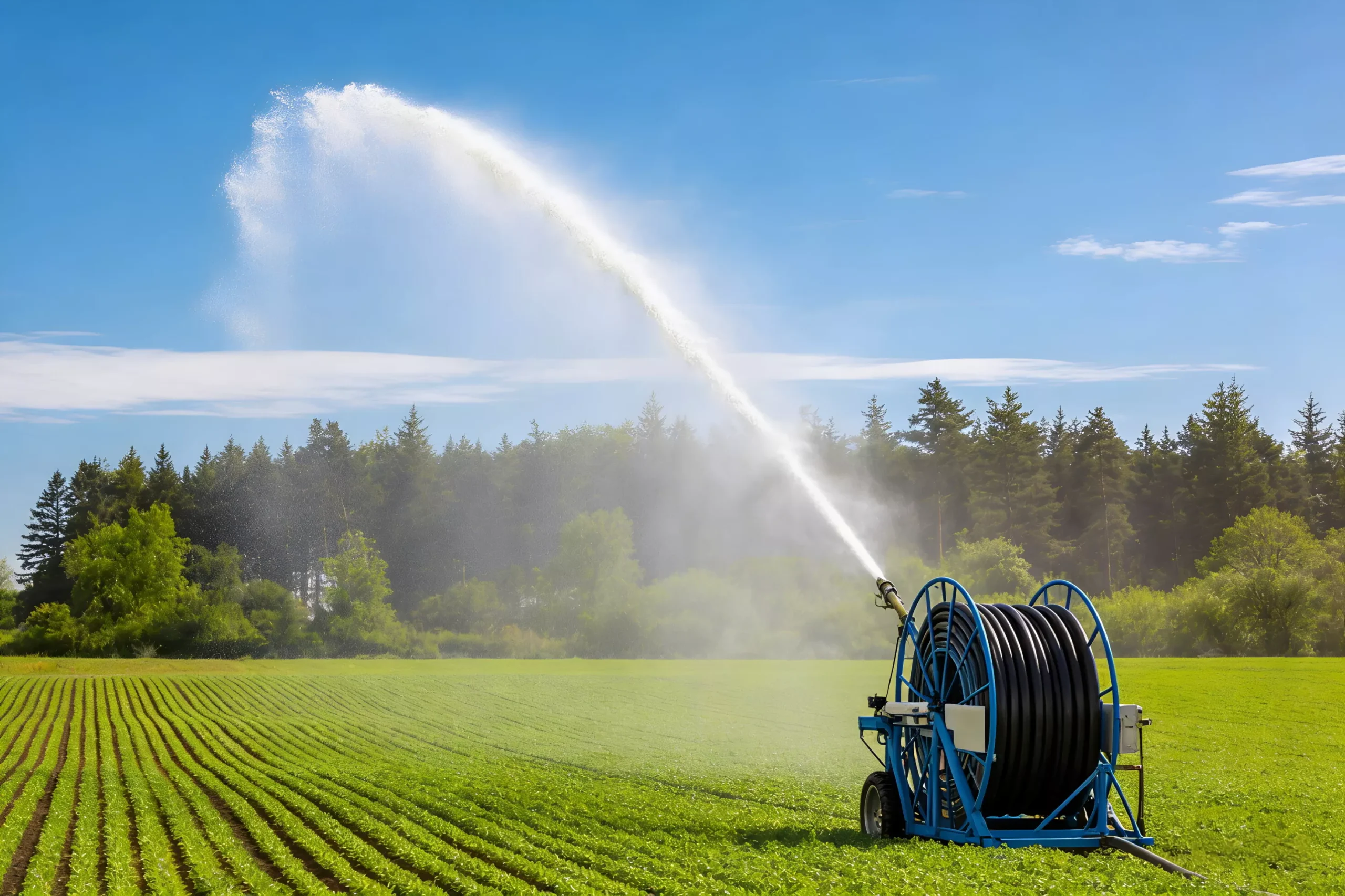
Australian outback solar farms experience some of the world’s highest UV irradiance and daily temperature ranges. Chain seals, lubricants, and any polymer components must survive this UV and thermal cycling environment without degradation over a 10-15 year service life. Mineral oil lubricants can oxidise and dry in this environment; synthetic lubricants with UV stabilisers significantly outperform mineral oils in long-interval applications.
Many Australian solar farms are located in inland areas where soil gypsum and salt-lake influences create a salt-laden dust environment. Standard carbon steel chain corrodes visibly within 12–18 months in this environment without regular maintenance. Stainless steel or nickel-plated chain with long-life synthetic lubricant is the appropriate specification for remote sites.
The daily temperature cycle from -5°C night to 70°C panel surface temperature in summer imposes repeated thermal expansion and contraction stress on every chain joint. Over 10-15 years of 365-day cycling, this thermal fatigue accumulates. Chains with sintered bronze bushings and synthetic lubricant retain dimensional accuracy through this thermal range better than standard chain with mineral oil.
Chain Specification Reference
| Tracker Type | Chain Specification | Lubrication | فترة الصيانة | Expected Life |
|---|---|---|---|---|
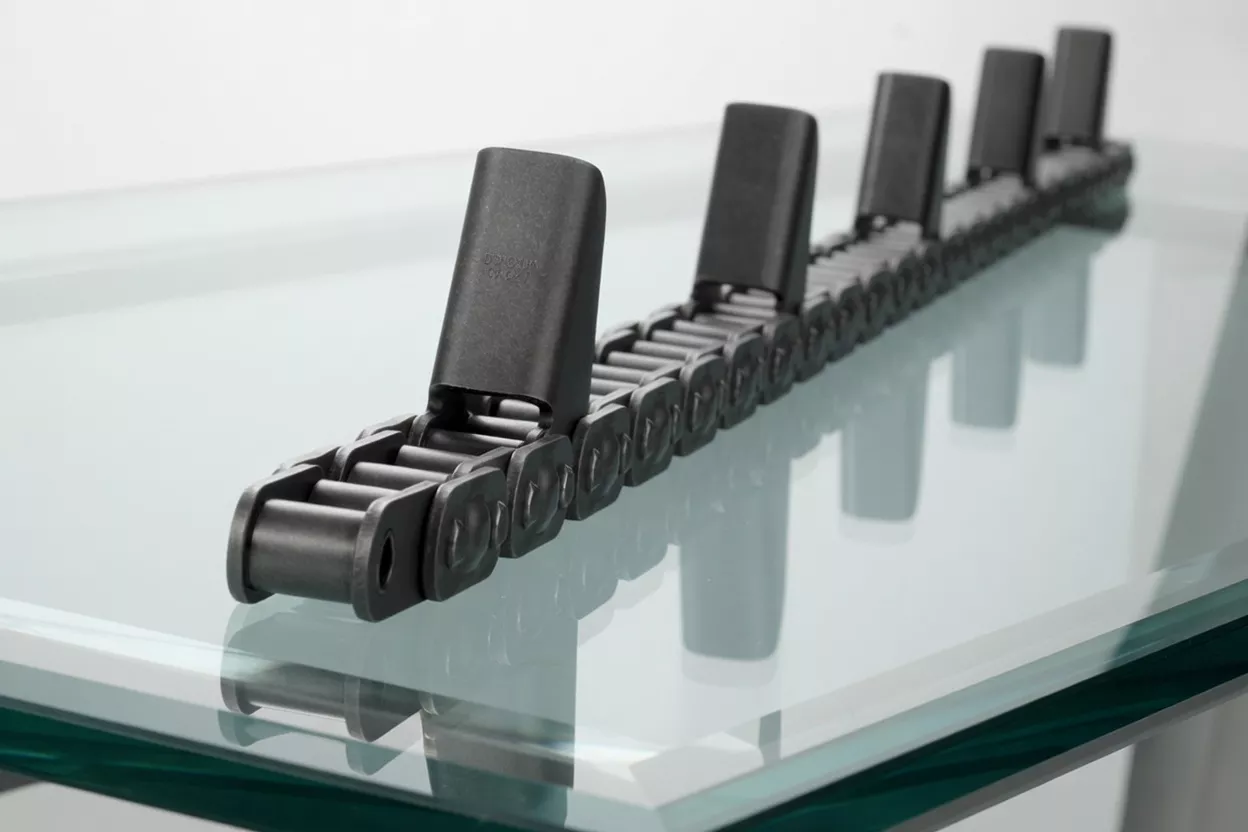
| Single-axis utility-scale | ANSI 40 or ANSI 50 nickel-plated or SS | Synthetic EP grease — packed for life | 5-year inspection, 10-year replacement target | 10+ years with correct specification |
| Single-axis agrivoltaic | ANSI 40 or ANSI 50 316 SS or nickel-plated | Synthetic lubricated or self-lubricating | Annual inspection, 7-year replacement | 7–10 years |
| Dual-axis tracker (both axes) | ANSI 35 or ANSI 40 — stainless or nickel-plated | Synthetic grease sealed for life | Annual inspection | 10+ years in protected drive housing |
❓ Frequently Asked Questions
Explore Related Drive Components
Factory-matched sprockets engineered to run with our chain range — simplex, duplex, plate wheel and taper-bore in all standard pitches.
Explore Sprockets →
⚪ Bearings
Sealed pillow-block and flange-unit bearings for every shaft that carries a chain sprocket in your machine.
Explore Bearings →
Enquire about matched chain-and-sprocket kits
We supply chain and sprockets together as matched sets — same standard, same quality grade, ready for immediate installation.