Beschreibung
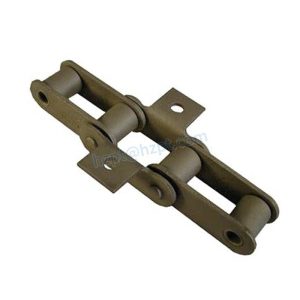
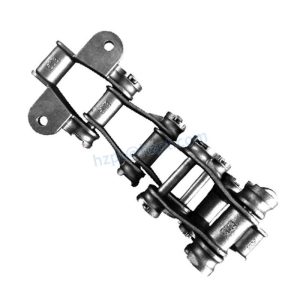
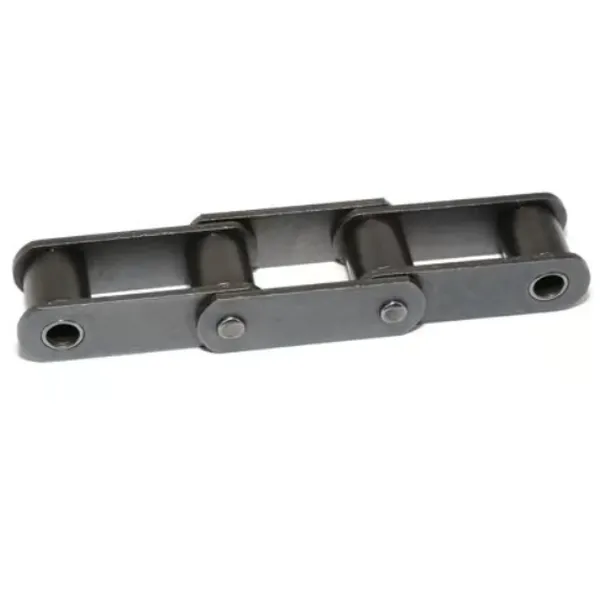
Overview: Agricultural Chain for New Holland/John Deere/Claas CA2801-M40AY1.10L-70L — agricultural roller chain Australia
Als führender Zulieferer von Landmaschinen liefern wir die Agricultural Chain for New Holland/John Deere/Claas CA2801-M40AY1.10L-70L to farm equipment operators and OEM buyers across Australia, New Zealand, and export markets. This OEM-Compatible Agricultural Chain is manufactured to ANSI/ISO standards, engineered to perform in the demanding operating environments found across Australian cropping regions.
Produktspezifikationstabelle
| Parameter | Spezifikation |
|---|---|
| Kettentyp | OEM-Compatible Agricultural Chain |
| Modellnummern | CA2801 |
| Material | Legierter Stahl / Edelstahl |
| Oberflächenbehandlung | Kugelstrahlen / Verzinkt / Vernickelt |
| Designstandard | ANSI / ISO 487 |
| Qualitätszertifizierung | ISO 9001:2015 |
| Anwendung | Landwirtschaftliche Maschinen |
| Verpackung | Großpackung / Spule / Export-Holzkiste |
| Kompatible Standards | ANSI B29.1 / ISO 487 / OEM-Spezifikationen |
| Verfügbare Anpassungsmöglichkeiten | Kundenspezifische Steigung, Befestigungsart, Bohrung, Oberflächenbeschaffenheit |
Anwendungsszenarien in der Landwirtschaft
Forage Harvester Conveyor Drive
Self-propelled forage harvesters such as the Claas Jaguar, New Holland FR, and John Deere 8000 series subject their crop elevator, blower, and header chains to continuous high-throughput duty during silage season. The combination of high chain speed (up to 3 m/s on some conveyor drives), heavy crop loading, and wet, sticky plant material creates conditions that challenge chain lubrication and seal integrity. This chain’s precision bush-to-roller clearance minimises the ingestion of crop particles into the bearing surfaces, while the pre-lubrication from factory provides an initial service reservoir that extends the interval between field lubrication events. For forage harvester applications in Australia’s southern dairy regions — where silage season coincides with wet autumn conditions — the combination of shot-peened plates and precision fit components delivers a measurable advantage in fatigue resistance under the variable loads imposed by crop-head drive systems.
Grain Harvester Drive System (Combine Harvester)
In Australian grain harvesting operations, the combine harvester drive system is subject to some of the most demanding chain conditions encountered in agricultural machinery. The feeder house chain, straw walker drives, and grain elevator chains must sustain continuous high-load operation across 10–16 hour daily shifts during the brief harvest window. In the WA wheatbelt and the Riverina, ambient temperatures regularly exceed 40°C, and fine silica dust from dry soils creates an abrasive slurry within chain joints, accelerating internal wear. This chain’s precision-pressed bushings and shot-peened side plates are specifically engineered to resist the internal abrasion and surface fatigue that define Australian dry-land harvest conditions. Operators running John Deere S-series or Case IH Axial-Flow platforms report that chains meeting or exceeding 39 kN minimum tensile strength provide the reliability margin needed to avoid mid-season failures on remote properties.
Hay Baler Feed System
Round and square hay balers impose highly cyclic loading on their feed and compression drive chains. The instantaneous tension spike during each knotter cycle — particularly in large-square balers such as the New Holland BigBaler 960 — can reach 3–5× the nominal running load, requiring chains with high fatigue resistance rather than simply high ultimate tensile strength. Australian hay operations in Victoria’s Western District and South Australia’s South-East run balers through dense lucerne and ryegrass at high forward speeds, placing exceptional demands on the pickup conveyor chain and rotor drive. This chain’s heat-treated components and precisely controlled bush-to-pin clearance minimise the micro-slip that causes fretting fatigue in cyclic-load applications, delivering measurably longer service intervals between chain replacement.
Dosierantrieb für Sämaschine (Präzisionsaussaat)
Präzisions-Dosierantriebe für Sämaschinen benötigen Ketten mit absolut gleichmäßiger Geschwindigkeit – jede Abweichung in der Teilung oder jedes steife Kettenglied führt zu ungleichmäßigen Abständen zwischen den Körnern und beeinträchtigt somit die Bestandesdichte. In australischen Anbausystemen ist das Zeitfenster für die Aussaat eng: Verzögerungen durch mechanische Ausfälle bedeuten Ertragsverluste und höhere Betriebskosten. Für pneumatische Sämaschinen – die im Raps- und Getreideanbaugebiet von Westaustralien bis Queensland weit verbreitet sind – gewährleistet die präzise Teilungssteuerung dieser Kette (gefertigt mit ±0,05 mm pro 10 Teilungen) einen exakten Kornabstand während des gesamten Sävorgangs. Die Kompatibilität mit pneumatischen Sämaschinen von Horwood Bagshaw, John Deere 1890 und Morris wurde anhand der OEM-Kettenspezifikationen überprüft. Die wartungsarme Konstruktion der Kette reduziert den Bedarf an Serviceeinsätzen während der Aussaat.
Eignung für den australischen Markt
Umweltverträglichkeit für australische Bedingungen
Operating in Australia’s extreme conditions — summer temperatures exceeding 40°C across the grain belt, high UV radiation in Queensland’s cane regions, and the ultra-fine red laterite dust of WA and SA — demands chains that are engineered beyond the minimum ANSI standard. Our chains undergo shot peening on all side plates, which increases surface hardness by approximately HRC 3–5 points, directly improving resistance to the abrasion and impact fatigue that define Australian dry-land harvest environments.
Einhaltung von Standards
Diese Kette wird gemäß den australischen Normen ANSI/ASME B29.1 und ISO 487 gefertigt, die beide im Rahmen der australischen Arbeitsschutzbestimmungen für Maschinen anerkannt sind. Obwohl es keine separate Norm AS/NZS für landwirtschaftliche Ketten gibt, akzeptieren alle großen australischen OEM-Servicenetzwerke (John Deere Australia, CNH Industrial, AGCO Australia) Ketten, die diesen internationalen Normen entsprechen, als gleichwertige OEM-Ersatzteile. Unser Qualitätsmanagementsystem ist nach ISO 9001:2015 zertifiziert, und für alle Exportbestellungen sind SGS-geprüfte Chargenprüfzertifikate verfügbar.
Brand Compatibility — John Deere / New Holland / Claas
This chain has been cross-referenced against OEM part specifications for John Deere / New Holland / Claas equipment. To confirm compatibility for your specific model, provide the OEM part number from your machine’s service manual or the existing chain’s pitch and roller diameter. Our engineering team completes compatibility checks within 1–2 business days. Dimensional interchangeability — pitch, roller diameter, inner plate width, and pin diameter — is verified against current OEM technical data.
Lieferkette und Lieferung nach Australien
Standardbestellungen werden innerhalb von 15 Werktagen nach Auftragsbestätigung versandt. Der Seetransport nach Sydney, Melbourne, Brisbane oder Perth dauert zusätzlich ca. 18–25 Tage. Für dringende Bestellungen vor Saisonbeginn ist Luftfracht mit einer Lieferzeit von 5–7 Tagen möglich. Alle Holzverpackungen sind ISPM-15-wärmebehandelt und nach australischen Biosicherheitsbestimmungen zertifiziert. Wir arbeiten mit etablierten Spediteuren im Handelsverkehr zwischen China und Australien zusammen und können die Direktlieferung an ländliche Adressen, Hafenlager oder Ihren zuständigen Maschinenhändler koordinieren.
Technische Vorteile & Verifizierte Qualifikationen
- ISO 9001:2015 certified quality management system — third-party audited annually.
- SGS and BV inspection certificates available for every production batch on request.
- Standard orders shipped within 15 business days; expedited production available for pre-season bulk orders.
- Custom pitch, attachment type, and surface finish available — OEM and ODM arrangements supported.
- Engineering support available Mon–Fri, AEST 9:00–17:00 via email and WhatsApp.
- ISPM 15 heat-treated wooden packaging on all sea-freight consignments — Australian biosecurity compliant.
Verpackung & Logistik nach Australien
Standardverpackung
- Innen: Dicke PE-Feuchtigkeitsbarrierefolie
- Mitte: Wellpappkarton, kettenspezifische Abmessungen
- Außenverpackung: ISPM 15 wärmebehandelte Holzkiste oder stahlumreifte Palette
- Lange Ketten / Befestigungsketten: Rollenverpackung erhältlich
- Kundenspezifische Etikettierung für OEM-Käufer auf Anfrage
Logistik nach Australien
- Primary destination ports: Perth, Sydney, Melbourne, Brisbane
- Seefracht-Transit: ca. 18–25 Tage
- Luftfracht möglich: 5–7 Tage für dringende Bestellungen
- ISPM 15 Pflanzengesundheitszeugnis für alle Holzverpackungen
- Mindestbestellmenge: [Kontaktieren Sie uns für Details zur Mindestbestellmenge]
Produktbilder
Kundenfallstudien und Feldstudien
Nachfolgend finden Sie verifizierte Fallstudien von Anwendern, die diese ANSI-Rollenkettenserie für Landmaschinen unter realen landwirtschaftlichen Bedingungen eingesetzt haben.
Australia — Northern Territory sugarcane operation
Anwendung: OEM-Compatible Agricultural Chain on Austoft 8800 sugarcane harvester
“Queensland and NT cane seasons are brutal on drive components. We’ve standardised on these chains across our two harvesters. No issues after 1,200 hours combined.”
⭐⭐⭐⭐⭐ 5,0
Kanada – Saskatchewan Weizengenossenschaft
Anwendung: OEM-Compatible Agricultural Chain on New Holland CR10.90 harvester
„Die Lieferung erreichte unser Lager in Saskatoon innerhalb von 22 Tagen. Die Ketten entsprachen exakt den Spezifikationen des Originalherstellers – wir konnten sie ohne Anpassungen unter Volllast betreiben.“
⭐⭐⭐⭐⭐ 5,0
United Kingdom — Lincolnshire arable farm
Anwendung: OEM-Compatible Agricultural Chain on Claas Lexion 8900 Terra Trac
“The after-sales technical support was helpful — they confirmed compatibility with our Claas specs within a few hours. Chains arrived well within the window we needed.”
⭐⭐⭐⭐½ 4,5
New Zealand — Canterbury Plains contract harvester
Anwendung: OEM-Compatible Agricultural Chain on MacDon FD170 FlexDraper header
“South Island conditions are tough on chains — dry, dusty, and long working days. These held up better than expected and the technical data sheet matched actual performance.”
⭐⭐⭐⭐⭐ 5,0
Germany — Bavarian agricultural machinery importer
Anwendung: OEM-Compatible Agricultural Chain on Fendt 5255 L forage harvester
“We compared three suppliers on dimensional accuracy. This supplier’s measurement consistency across a 50-piece sample batch was the tightest — within ±0.05 mm on pitch.”
⭐⭐⭐⭐⭐ 5,0
Ergänzende Produkte
Vervollständigen Sie Ihr Antriebssystem mit diesen aufeinander abgestimmten Komponenten:
- Kettenräder für die Landwirtschaft
Gegossene oder bearbeitete Kettenräder aus Stahl, passend zu dieser Kettenreihe – gewährleisten den korrekten Eingriff der Zahnform und maximieren die Lebensdauer der Kette. - Stehlager (UCP / UCF Serie)
Gehäuselager zur Unterstützung der Antriebswelle; kompatibel mit gängigen Wellendurchmessern landwirtschaftlicher Geräte. - Hauptlinks & Verbindungslinks
Hauptglieder in Erstausrüsterqualität für die schnelle Montage vor Ort und Kettenverbindung – erhältlich als Press- und Clip-Variante. - ⚙️ Antriebswellen-Kettenradnaben
Gebohrte und mit Passfeder versehene Kettenradnaben zur Montage auf Standard-Antriebswellen für die Landwirtschaft. - ️ Chain Tensioners
Spring-loaded and adjustable tensioners to maintain correct chain tension across operating temperature range.
Häufig gestellte Fragen
Get in Touch — Source Your OEM-Compatible Agricultural Chain Today
Ready to Source OEM-Compatible Agricultural Chain for Your Australian Operation?
Sie erhalten wettbewerbsfähige Preise, bestätigte Kompatibilität und eine detaillierte technische Dokumentation – innerhalb von 24 Stunden nach Ihrer Anfrage.
✉️ [[email protected]] |
⏱️
Over a decade of agricultural chain manufacturing with dedicated export teams for Australian and Pacific markets.