Agricultural Chains for Log Handling and Timber Processing
Australian hardwood timber processing — sawmills, bark stripping lines, and firewood processing — subjects chain drives to impact loads that exceed virtually any agricultural application. The moment a hardwood log drops from a live deck onto a chain-driven log deck — or when a log bark stripper engages the full face of a standing timber section — the instantaneous force transmitted through the drive chain is an engineering challenge that standard agricultural chain is not designed to handle repeatedly.
Australia’s native hardwood species are among the densest and toughest in the world. Ironbark, red gum, messmate, and karri all produce logs with densities above 900 kg/m³ — significantly higher than the European and North American softwoods that most chain manufacturers use as the basis for their shock-load ratings.
The Australian Operating Challenge
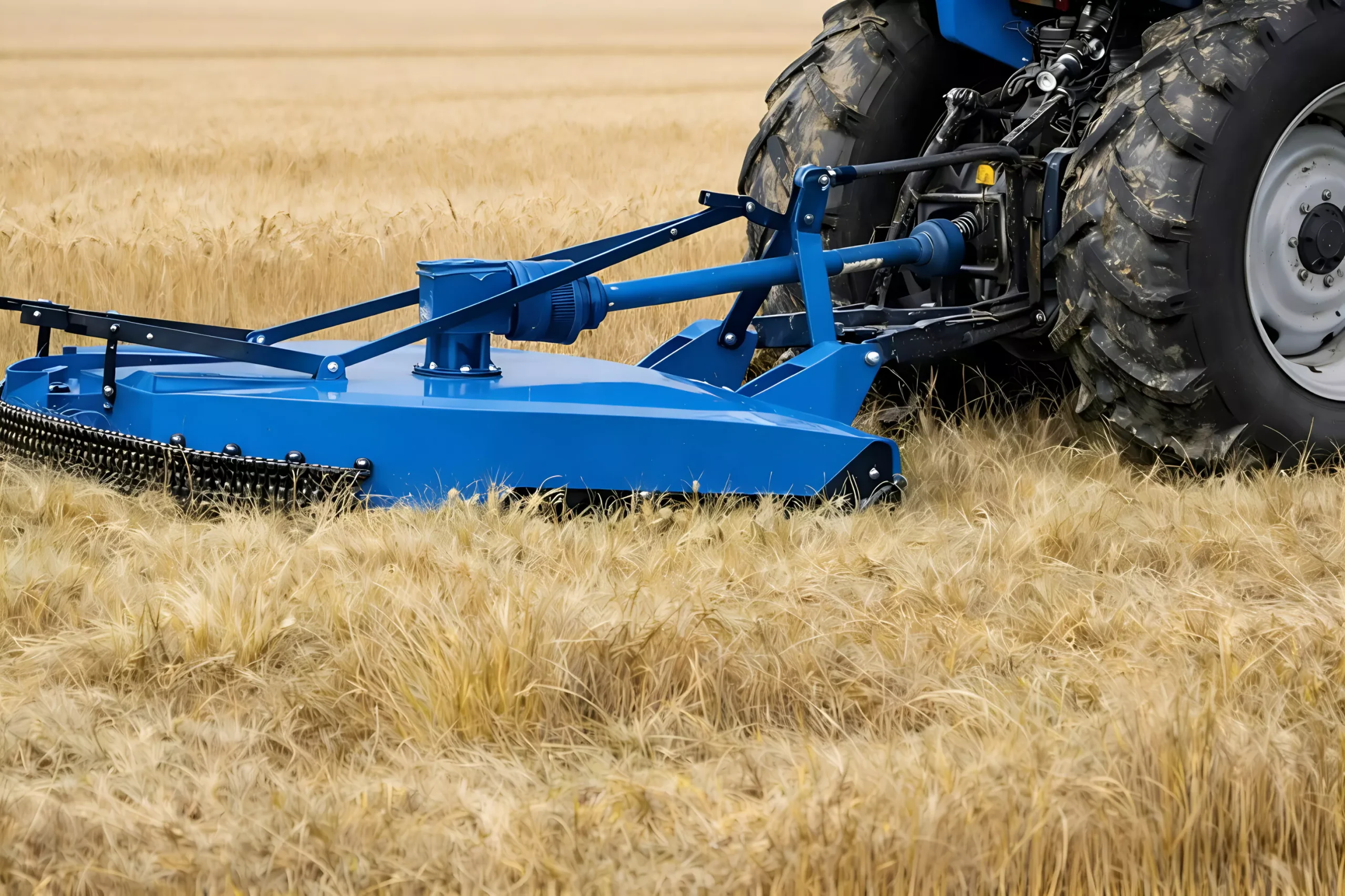
Australian eucalyptus species are among the world’s densest hardwoods. A single river red gum log of 500 mm diameter and 2.4 m length weighs over 400 kg. The impact load when this log falls from a live deck onto a chain-driven log table is an instantaneous shock significantly beyond the continuous rated load of the chain. Only chains with reinforced side plates and through-hardened pins resist the fatigue damage from repeated drop impacts.
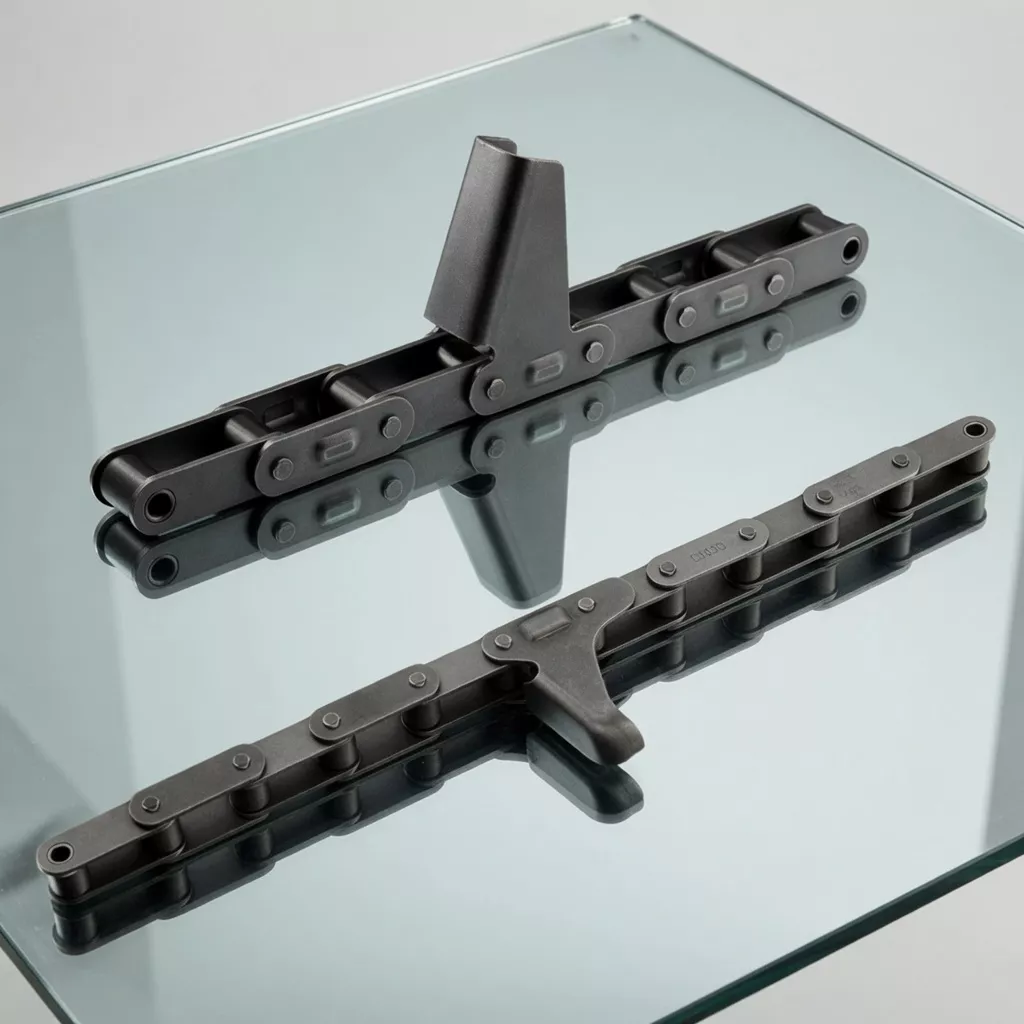
Bark stripping machines engage the full hard surface of the log simultaneously across a contact width of 300–600 mm. The engagement shock every time a new log section enters the stripper exceeds the shock-load capacity of standard ANSI roller chain. ANSI 140 or ANSI 160 double-strand SP-series chain is the minimum specification for bark stripper main drives on hardwood timber.
Australian sawmill operations process green timber throughout the year. Green timber carries significant moisture and generates fine silica-laden sawdust that settles on all exposed chain surfaces. This wet sawdust is highly abrasive and promotes corrosion between lubrication intervals.
Chain Specification Reference
| Position | Chain Standard | Grade | Tensile Rating | Special Requirement |
|---|---|---|---|---|
| Log deck main drive | ANSI 140 or ANSI 160 double-strand | SP reinforced | 230–315 kN per strand | Through-hardened pins, shot-peened side plates |
| Bark stripper input drive | ANSI 140 SP double-strand | SP reinforced | 230 kN per strand | Shock-load rated, reinforced side plates |
| Live deck and transfer chain | ANSI 100 SP or ANSI 120 SP | SP or standard heavy | 120–160 kN | Heavy construction, sealed rollers |
| Firewood processor drive | ANSI 100 double-strand | Standard heavy-duty | 120 kN per strand | Regular lubrication critical |
❓ Frequently Asked Questions
Explore Related Drive Components
Slasher, mower, tiller and custom-ratio gearboxes that drive the chain systems inside PTO-powered implements.
Explore Gearboxes →
⚡ PTO Shafts & Drivelines
Matched drivelines from T1 to T8 rating that feed the chain input sprocket on every PTO-driven machine we serve.
Explore Drivelines →
Send us your application specifications
Our drive engineers confirm the correct chain type, pitch, and duty class for your machine and operating region.