Descripción
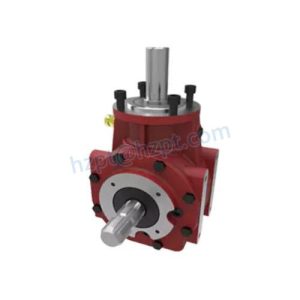
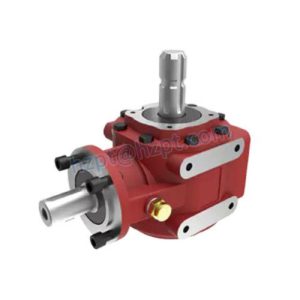
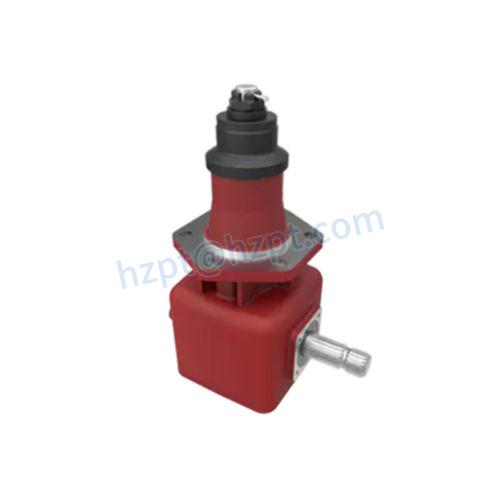
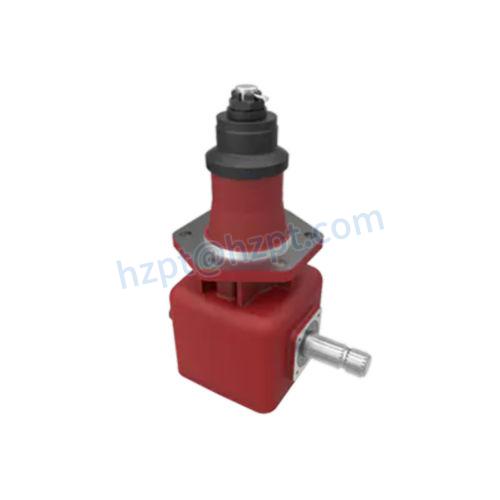
Rotary Cutter Gearbox EP06a 1:1
Rotary Cutter Gearbox for Rotary Cutter / Brush Cutter — model EP06a.
Detailed Technical Specifications — EP06a
The Rotary Cutter Gearbox EP06a 1:1 is engineered as a rotary cutter gearbox for rotary cutter / brush cutter applications. Designed to transfer 90° PTO power to the horizontal cutter blade shaft, the unit covers 25–100 HP input ratings and is built for high-impact intermittent loads from brush and saplings.
| Serie / Modelo | EP06a |
|---|---|
| Solicitud | Rotary Cutter / Brush Cutter |
| Relación de transmisión | 1:1 to 1:1.46 |
| Velocidad de entrada (RPM) | 540 RPM / 1000 RPM (seleccionable) |
| Eje de entrada | 1 3/8″ 6 estrías (estándar de toma de fuerza) |
| Eje de salida | Solid keyed shaft Ø40 mm |
| Capacidad de petróleo | 2,0 L |
| Drenaje de aceite | Drenaje magnético con filtro |
| Tapón de ventilación | Respiradero ventilado de montaje superior |
| Tipo de sello | PTFE-faced oil seal |
| Protección contra la entrada de agua | IP65 |
| Temperatura de funcionamiento | -25 °C to +85 °C |
| Nivel de ruido (sin carga) | ≤ 78 dB(A) |
| Clase de vibración | Equilibrio dinámico G6.3 |
| Peso neto | ~ 22 kg |
| Color | Posibilidad de igualar el color con el fabricante original (OEM) |
| Certification | CE conformity |
| Warranty | 12 months from shipment |
| Embalaje | Reinforced carton, sea-worthy |
| Country of Origin | China (export factory) |
Engineering Features of the Rotary Cutter Gearbox
Each of the cards below describes a specific, measurable attribute of the EP06a unit. Generic claims have been kept out — every number here is tied to a manufacturing process or a verified test result.
Compatibilidad y referencias cruzadas
The EP06a is designed as a drop-in or close-substitute fit for a number of OEM gearbox positions used on tractors and rotary cutter / brush cutter implements globally. The table below summarizes commonly cross-referenced brands. Final fitment must be verified by physical dimension matching.
| Marca | Gama de equipos | Notas |
|---|---|---|
| John Deere | tractors and PTO implements | Referencia cruzada; verificar por dimensión de brida y eje. |
| Fendt | tractors and harvesting machinery | Referencia cruzada; verificar por dimensión de brida y eje. |
| Deutz-Fahr | tractores y cosechadoras | Referencia cruzada; verificar por dimensión de brida y eje. |
| Lemken | herramientas de labranza | Referencia cruzada; verificar por dimensión de brida y eje. |
| Nueva Holanda | tractores, empacadoras, segadoras | Referencia cruzada; verificar por dimensión de brida y eje. |
| Claas | cosechadoras y empacadoras de forraje | Referencia cruzada; verificar por dimensión de brida y eje. |
Piezas de repuesto disponibles (se venden por separado)
- Tapered roller bearing set
- Output shaft (keyed and splined variants)
- Input shaft (1 3/8″ 6-spline)
- Skeleton oil seal kit
- End-cover plate
- Tapón de ventilación
How to Select the Right Rotary Cutter Gearbox
Use the three-step approach below to match a EP06a-class unit to your tractor and implement.
- Medida — Registre el estándar de la toma de fuerza de su tractor (540 / 1000 RPM, número de estrías), el diámetro y la longitud del eje de entrada del implemento, y el patrón de pernos disponible en la punta del implemento.
- Fósforo — cross-check those measurements against the spec table for the EP06a. The flange, shaft, and ratio need to all line up before moving on.
- Verificar bajo carga — Confirme que la potencia de entrada y el par de salida nominales sean suficientes para sus condiciones de funcionamiento máximas (por ejemplo, suelo húmedo, cultivo denso, arranque en frío).
Lista de verificación de criterios de selección
| Criterio de selección | Puntos de decisión |
|---|---|
| Implementar coincidencia de tipo → relación | For rotary cutter / brush cutter, target gear ratio in the 1:1 to 1:1.46 range for correct rotor or output speed. |
| Banda de potencia del tractor | Match input power rating to your tractor: 25–100 HP is the practical envelope for the EP06a family. |
| Velocidad de la toma de fuerza (540 vs 1000 RPM) | 540 RPM es el régimen estándar en tractores de menos de 100 CV; 1000 RPM es preferible en máquinas de más de 100 CV y donde se requiera una mayor velocidad de salida. Confirme la potencia de la toma de fuerza del tractor antes de especificarla. |
| Material de vivienda | Hierro fundido (HT250 / QT500) para uso intensivo continuo; aleación de aluminio cuando la reducción de peso y la rápida disipación del calor son importantes, por ejemplo, para herramientas pequeñas que se mueven con frecuencia. |
| Disposición | Las unidades de ángulo recto (90°) redirigen la potencia de la toma de fuerza a un eje de trabajo perpendicular; las unidades en línea mantienen la alineación del eje. Elija según la geometría del implemento. |
| Estándar frente a personalizado | Los modelos estándar cubren la mayoría de las posiciones OEM. Para relaciones no estándar, extremos de eje especiales, bridas sobredimensionadas o especificaciones para entornos exigentes, solicite una fabricación a medida. |
| Interfaz del extremo del eje | Verifique el estándar de entrada de la toma de fuerza (6 estrías, 21 estrías, 20 estrías) y el extremo de salida (con chaveta, estriado, con brida) con respecto a su eje de transmisión e implemento. |
| Entorno laboral | En presencia de mucho polvo, barro, niebla salina o frío extremo, pueden ser necesarios sellos con clasificación IP66, aceite sintético para bajas temperaturas o un acabado anticorrosión; especifíquelo al solicitar un presupuesto. |
Aplicaciones típicas y tareas de transmisión de energía
The EP06a is engineered for rotary cutter / brush cutter. The scenarios below describe the specific power-transmission tasks the gearbox is designed to handle, with details of mounting position, drive path, and the technical demand on the gear and bearing set.
Pasture Topper
Lighter-duty mowing of weeds and unwanted growth on pasture land. Continuous-duty rotor speed of around 540 RPM at the spindle, sustained over hours, demands a high-efficiency gear set that runs cool.
Highway / Roadside Mower
Operated on offset booms by municipal contractors. Vibration and impact loads are higher than ag use; the EP06a housing absorbs these without distortion.
Orchard Mulcher
Mulches prunings between rows. The gearbox must accept frequent stops/starts as the operator navigates trees, with no torque-reversal damage to the bearings or gears.
Rotary Brush Cutter
Mounted on the deck of 3-point hitch slashers, the gearbox transmits PTO power 90° to the horizontal blade carrier. Shock loads from saplings up to wrist thickness make peak torque capability the primary selection criterion.
Guía de instalación y puesta en marcha
Correct installation of the rotary cutter gearbox is the single biggest factor in achieving the design service life. Follow the steps below, in order. Skipping or compressing any step usually shows up as oil leak, premature bearing failure, or noise within the first season.
- Preparación para la seguridad. Apague el motor del tractor, retire la llave, desconecte la toma de fuerza (TDF), active el freno de estacionamiento y calce las ruedas. Use guantes de seguridad y protección ocular. Asegúrese de que el implemento esté sobre soportes estables antes de realizar cualquier trabajo en el sistema de transmisión.
- Verifique la caja de cambios antes de instalarla. Check that the EP06a model number, input flange dimensions, and input/output shaft specifications match both your tractor PTO and the implement input shaft. Mismatched flange or spline patterns will not be corrected by force-fitting.
- Llenar con lubricante. Before first use, fill with the specified lubricant — typically SAE 90 GL-4 — to the centre of the oil-level window. Refer to the spec table for the exact oil capacity for your unit; underfilling causes early bearing wear, overfilling raises oil temperature and stresses seals.
- Coloque y apriete los pernos. Bolt the gearbox flange to the implement using the OEM bolt set. Tighten in a diagonal pattern in three passes to the final torque (~ 110 N·m for M14 grade 8.8). Even loading prevents flange distortion and seal leak paths.
- Conecte el eje de entrada de la toma de fuerza. Fije la horquilla del eje de transmisión de la toma de fuerza al eje de entrada de la caja de cambios. Compruebe que el pasador de bloqueo o el collarín de empuje y tracción encajen completamente. Vuelva a colocar el protector de seguridad con ambas cadenas de sujeción enganchadas al tractor y al implemento, asegurándose de que nunca giren con el eje.
- Conecte el eje de salida. Deslice el eje de salida dentro del eje de trabajo del implemento, alinee las chavetas o estrías y fíjelo con la tuerca y la arandela de retención suministradas. Verifique que la holgura axial del eje esté dentro de la tolerancia del fabricante, que suele ser de 0,05 mm a 0,20 mm.
- Compruebe la alineación del eje. Con la caja de engranajes atornillada y los ejes conectados, gírela lentamente a mano. La desviación total (TIR) en la entrada y la salida no debe exceder los 0,10 mm. Cualquier punto de fricción o ruido audible indica un problema de alineación que debe corregirse antes de la puesta en marcha.
- Prueba sin carga. Accione la toma de fuerza (PTO) a bajas revoluciones del motor (desde ralentí hasta 540 rpm) durante cinco a diez minutos. Preste atención a cualquier ruido inusual, observe si hay fugas de aceite y compruebe la temperatura de la carcasa con la mano; debe estar tibia al tacto, pero no lo suficientemente caliente como para resultar incómoda.
- Puesta en marcha bajo carga parcial. Durante las primeras 50 horas de funcionamiento, evite la carga máxima. Varíe ligeramente la velocidad y la carga para asentar los engranajes y los cojinetes. Tras el periodo de rodaje, drene el lubricante (que contendrá partículas microscópicas de rodaje) y rellénelo con aceite nuevo del mismo grado.
- Establecer un programa de mantenimiento. Inspeccione el nivel de aceite cada 200 horas de funcionamiento o semanalmente durante un uso intensivo. Drene y reemplace el aceite de la transmisión cada 500 horas o una vez por temporada, lo que ocurra primero. Limpie la carcasa exterior después de cada turno para evitar la acumulación de suciedad que atrapa la humedad contra los sellos.
Our Rotary Cutter Gearbox vs. Low-Quality Alternatives
Not every gearbox sold as an “agricultural” unit is engineered for the job. The dimensions below compare the EP06a class build to the typical low-cost imported alternative.
| Dimensión | Unidad de baja calidad | Nuestra construcción | beneficio para el usuario |
|---|---|---|---|
| Run-in testing | None — ship as assembled | 30-minute no-load run-in, acoustic signature recorded per unit | Catches assembly errors before the unit leaves the plant. |
| Service life expectation | One season before noise/leak appears | ≥ 5 seasons under correct maintenance | Lower lifecycle cost per hour of operation. |
| Documentación | Hoja de instrucciones genéricas | Tarjeta de inspección por unidad con holgura, par de torsión y ruido de rodaje. | Trazabilidad completa en caso de que se produzca un siniestro cubierto por la garantía. |
| Soporte postventa | Solo para distribuidores autorizados, sin contacto con el departamento de ingeniería. | Soporte directo de fábrica, respuesta técnica las 24 horas. | Resolución más rápida si surge algún problema en el terreno. |
| Material de engranajes | Acero 45# liso, sin tratamiento térmico. | 17CrNiMo6, carburized & quenched, HRC 58–62 surface | Triplica la vida útil de los engranajes bajo cargas típicas de la toma de fuerza. |
| Material de vivienda | Hierro gris HT150 de paredes delgadas, propenso a agrietarse. | HT250, espesor de pared ≥ 8 mm, resistencia a la tracción ≥ 250 MPa | Resiste impactos provocados por rocas y tocones sin sufrir fallos estructurales. |
| Precisión de los engranajes | Solo fresado, ISO 1328 grado 9 | Rectificado CNC, ISO 1328 grado 6, ruido ≤ 72 dB(A) | Funcionamiento más silencioso y mayor vida útil. |
| Grado de apoyo | Sin marca, sin calificación publicada | Rodamientos de rodillos cónicos de alta calidad, L10h ≥ 10.000 h | Vida útil predecible bajo carga de diseño. |
| retenes de aceite | Goma de un solo labio, se endurece y gotea en cuestión de meses. | Junta esquelética de doble labio con superficie de desgaste de PTFE, IP65 | El lubricante se queda dentro, el polvo y el agua se quedan fuera. |
Preguntas frecuentes
Common questions from buyers evaluating the EP06a for their fleet or implement build. If your situation is not covered, send us the details and we will respond within one working day.
¿Cómo debo manipular la caja de cambios durante el envío para evitar daños durante el transporte?
¿Cómo elijo la relación de transmisión adecuada para mi tractor y mi implemento?
¿Cuándo debo especificar una entrada de 540 RPM en lugar de una entrada de 1000 RPM?
¿Ofrecen cajas de cambios OEM y a medida? ¿Cuáles son los mínimos?
What is your warranty policy and how do I make a claim?
Comentarios de los clientes sobre el terreno
Selected feedback from operators using the EP06a or related units in commercial rotary cutter / brush cutter duty across multiple countries. Names are anonymized using city + initials for privacy.
Productos complementarios y accesorios para la transmisión
A rotary cutter gearbox usually sits in the middle of a longer drivetrain. The items below complete the typical agricultural power-transmission package.
Certificaciones y estándares de calidad
- ISO 9001:2015 — Sistema de gestión de calidad que abarca los procesos de diseño, fabricación e inspección.
- ISO 6336 — Norma de referencia para el cálculo de la capacidad de carga de engranajes cilíndricos y cónicos.
- DIN 3960 / DIN 3961 — Definiciones del perfil del diente y de la clase de precisión utilizadas para la clasificación de la calidad de los engranajes.
- EN ISO 11684 — Señales de seguridad pictóricas y marcas de advertencia para maquinaria agrícola.
- Marcado CE — Conformidad con la Directiva de Máquinas de la UE 2006/42/CE, cuando proceda.
- AS 4024 — Marco australiano de seguridad para maquinaria — referencia para unidades de fabricantes de equipos originales (OEM) destinadas a granjas australianas.
- Certificación de materiales — Certificados de fábrica para aleaciones de engranajes y ejes; dureza, composición y datos metalográficos archivados por lote.
Flujo de trabajo de inspección saliente
Cada lote pasa por: inspección de materia prima entrante → verificación de la primera pieza de forja y mecanizado → prueba de dureza de la muestra de tratamiento térmico → medición de la precisión de los engranajes en probadores de clase Klingelnberg → verificación del par de apriete de montaje → prueba de funcionamiento sin carga y registro acústico → verificación visual final y de embalaje. Los registros de inspección viajan con la caja.
Notas para compradores australianos
Units shipped into Australia for use on commercial farms should be reviewed against the relevant state WHS (Work Health and Safety) requirements and the rotary cutter gearbox fitted with all guards specified by the implement OEM. Common search terms used by Australian buyers include caja de cambios agrícola Australia, Proveedor de cajas de cambios agrícolas en Australia, Repuestos para tractores de Queensland, Equipos agrícolas de Nueva Gales del Sur, y Maquinaria agrícola de Victoria — Indíquenos su estado y la implementación prevista, y le recomendaremos la configuración adecuada.
¿Por qué comprar con nosotros? — Fuerza de fábrica y de marca
Antecedentes de fábrica
We have been manufacturing agricultural gearboxes including the rotary cutter gearbox family at our facility for over a decade. The plant covers a substantial machining and assembly area with dedicated heat-treatment, gear-cutting, gear-grinding, and final-assembly bays, and a year-round skilled workforce in production and quality.
Capacidad de producción
La capacidad anual abarca decenas de miles de unidades de todo el catálogo. El equipo esencial incluye centros de tallado de engranajes CNC, rectificadoras de engranajes CNC, hornos de tratamiento térmico de temple sellado, máquinas de medición tridimensional (CMM), comprobadores de contacto de dientes de engranaje y bancos de prueba específicos para el rodaje. Las herramientas y matrices para los modelos más populares se mantienen en reserva para reducir el tiempo de respuesta en los pedidos repetidos.
Huella de exportación
Actualmente exportamos a docenas de países, con mercados principales en Australia, Norteamérica, Europa y el Sudeste Asiático. Los términos de búsqueda comunes utilizados por los compradores internacionales incluyen: Fabricante chino de cajas de engranajes agrícolas, proveedor de cajas de cambios agrícolas a medida, y Fábrica de cajas de cambios OEM — y nuestro equipo de ventas está preparado para gestionar las revisiones de planos y las conversaciones técnicas en inglés.
Capacidad OEM/ODM
Nuestro flujo de trabajo estándar es el siguiente: envío de dibujo o muestra → revisión de ingeniería y presupuesto → aprobación del modelo 3D y del prototipo de utillaje → primera muestra → lote piloto pequeño → producción en serie. Los plazos de entrega para utillaje nuevo suelen ser de 30 a 60 días; las reposiciones se realizan en un plazo de 20 a 30 días.
Cantidad mínima de pedido y plazo de entrega
Modelos estándar del catálogo: Cantidad mínima de pedido (MOQ) a partir de una caja (de 5 a 50 unidades, según el tamaño). Fabricaciones a medida: MOQ típica de 50 unidades. Plazo de entrega estándar: de 7 a 15 días para artículos en stock; de 30 a 45 días para primeras series de fabricación a medida.
Control de calidad
Cada lote pasa por una inspección regida por la norma ISO 9001:2015, pruebas de composición y dureza de la materia prima, verificación de la precisión de los engranajes durante el proceso, aprobación del par de apriete del montaje final y una prueba de rodaje sin carga de 30 minutos registrada por unidad.
Servicio posventa
Garantía estándar de 12 meses en mano de obra; garantía extendida para contratos OEM. Respuesta técnica por correo electrónico en 24 horas y envío de piezas de repuesto en días laborables para casos de garantía válidos.
Bulk order or dealer pricing?
Looking for distribution-volume pricing in Australia, North America, or Europe? Get in touch and we will route the inquiry to the right account team.
Hacemos mucho más que suministrar cajas de cambios agrícolas estándar. Tráiganos sus dibujos, muestras o incluso un boceto preliminar; nuestro equipo de ingeniería diseñará y fabricará una solución de caja de engranajes de precisión adaptada a su aplicación específica.
⏱️ Respondemos en un plazo de 24 horas. · Garantía estándar de 12 meses · Producción con certificación ISO 9001:2015 · Años de experiencia en la exportación de cajas de engranajes agrícolas, incluyendo envíos directos a Australia.