Vibration-Fatigue-Resistant Sprockets for Post Hole Diggers and Fence Post Drivers
Fence construction and maintenance across Australia’s vast pastoral regions — the Queensland outback, the Western Australian rangelands, the Northern Territory cattle stations, and the South Australian pastoral zone — is conducted at a scale that has no parallel in European or North American agriculture. A single station property in western Queensland may require hundreds of kilometres of new fencing over the life of the operation, with post hole digger and driver equipment accumulating thousands of operating hours per year in conditions that combine continuous ground vibration from the auger drilling mechanism, frequent hard-rock encounters that create sudden shock loads, and the remote-location supply reality that defines how quickly a broken component can be replaced.
The specific failure mode that Australian pastoral operators report most consistently with post hole digger drive sprockets is not tooth wear — it is fatigue cracking of the hub bore wall, initiating at the keyway stress concentration and propagating through the hub cross-section under the combination of torsional vibration and intermittent shock loading when the auger encounters rock. This failure mode is invisible until the crack propagates to a length where the hub suddenly splits, usually at the moment of maximum torque during a rock encounter.
We address this problem with a hub geometry and material specification that substantially raises the fatigue life of the bore-keyway interface under the combined vibration and shock loading profile of Australian post hole digger duty.
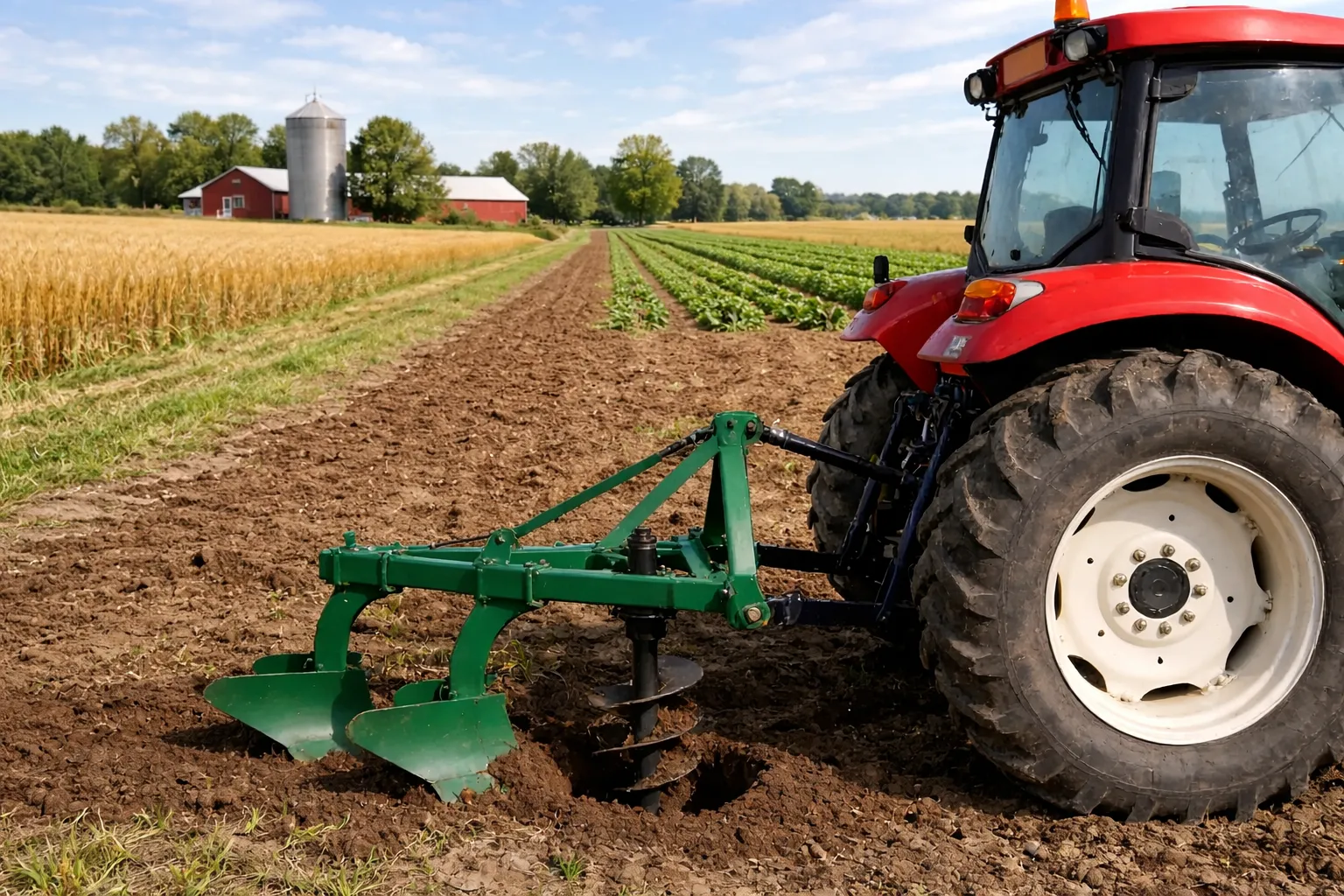
Hub Bore Fatigue Cracking — The Primary Failure Mode Explained
Why the Keyway is the Stress Concentration Point
A sprocket hub transmits torque from the shaft through the key to the sprocket body. The keyway is a rectangular slot machined into the bore — and the corners of this slot are stress concentration points where the nominal stress is amplified by a factor of 2.0–3.5 depending on the keyway geometry. Under normal continuous torque loading, this stress concentration is accommodated by the steel’s yield strength and fatigue limit. Under vibration loading — where the torque oscillates through the keyway at the vibration frequency — the alternating stress at the keyway corner can exceed the material’s fatigue limit even though the peak stress appears well within the rated torque. After sufficient vibration cycles, a fatigue crack initiates at the keyway corner and propagates outward through the hub wall until the hub fractures.
Rock Encounter Shock Superimposed on Vibration
When a post hole digger auger encounters bedrock or a large embedded stone, the auger decelerates suddenly and the drive shaft and sprocket hub experience a superimposed torsional shock. This shock load, superimposed on the existing vibration-induced alternating stress at the keyway, produces a single cycle of stress far above the vibration baseline — often enough to propagate an existing fatigue crack from stable to unstable growth in a single event. The hub then fails at the next significant torque event, which appears to be the primary cause but is actually the final crack propagation cycle.
Australian Soils and Rock Encounter Frequency
Post hole digging in Australian pastoral country — ironstone gravels in Queensland, granite outcrops in Western Australia, calcrete in South Australia — involves rock encounters at a frequency far higher than European or North American pastoral conditions. A post hole digger working in the Queensland Mitchell Grass downs may encounter embedded ironstone every 5–15 holes, imposing shock superposition on the drive system multiple times per hour. The accumulated fatigue damage from this shock frequency pattern is what causes hub fractures that would not occur in softer European soils.
Temperature and UV Effects on Component Life
Australian outback post hole digger operations work in ambient temperatures of 35–45°C in summer. At these temperatures, any lubricant on the hub-shaft interface thin out and provide less protection against fretting corrosion in the bore-shaft contact. UV exposure degrades rubber seals in the chain housing. The combination of thermal thinning of lubricant and UV seal degradation accelerates the corrosion-under-fatigue mechanism at the bore interface.
⚙️ Drive Positions in Post Hole Diggers and Post Drivers
⬇️ Auger Main Drive Sprocket
Drives the auger rotation shaft from the PTO or hydraulic motor gearbox. This is the primary torque transmission sprocket and the position most susceptible to hub bore fatigue cracking. The auger drive sprocket experiences the full rock-encounter shock load superimposed on continuous drilling vibration. SAE 4140 alloy steel with full-depth keyway fillet radius and shot-peened bore surface is the correct specification.
⬆️ Auger Lift and Lower Chain Sprockets
Drive the chain system that raises and lowers the auger assembly into the ground. These positions see lower sustained torque than the rotation drive but high shock loading when the auger drill point hits rock at the bottom of the hole — the downward kinetic energy of the auger assembly is transmitted through the lift chain and sprockets as a sudden arrest shock. SAE 4140 specification with reinforced hub is appropriate.
Post Driver Hammer Lift Sprocket
On hydraulic post driver attachments with a mechanical hammer lift mechanism, the chain and sprocket lift the drop hammer and release it at the top of its stroke. This produces a high-frequency cyclical load at the lift chain sprocket — each hammer drop cycle produces both a lift-load (loading the tight-side sprocket tooth) and a rapid release (producing a dynamic slack-side snap). SAE 4140 with precision pitch accuracy is the correct specification.
Auxiliary and Control Drive Sprockets
Drive depth sensing, angle adjustment, and control positioning mechanisms. Light duty — standard carbon steel case-hardened specification is appropriate. These positions do not experience the rock-encounter shock loads that make the main drive positions safety-critical.
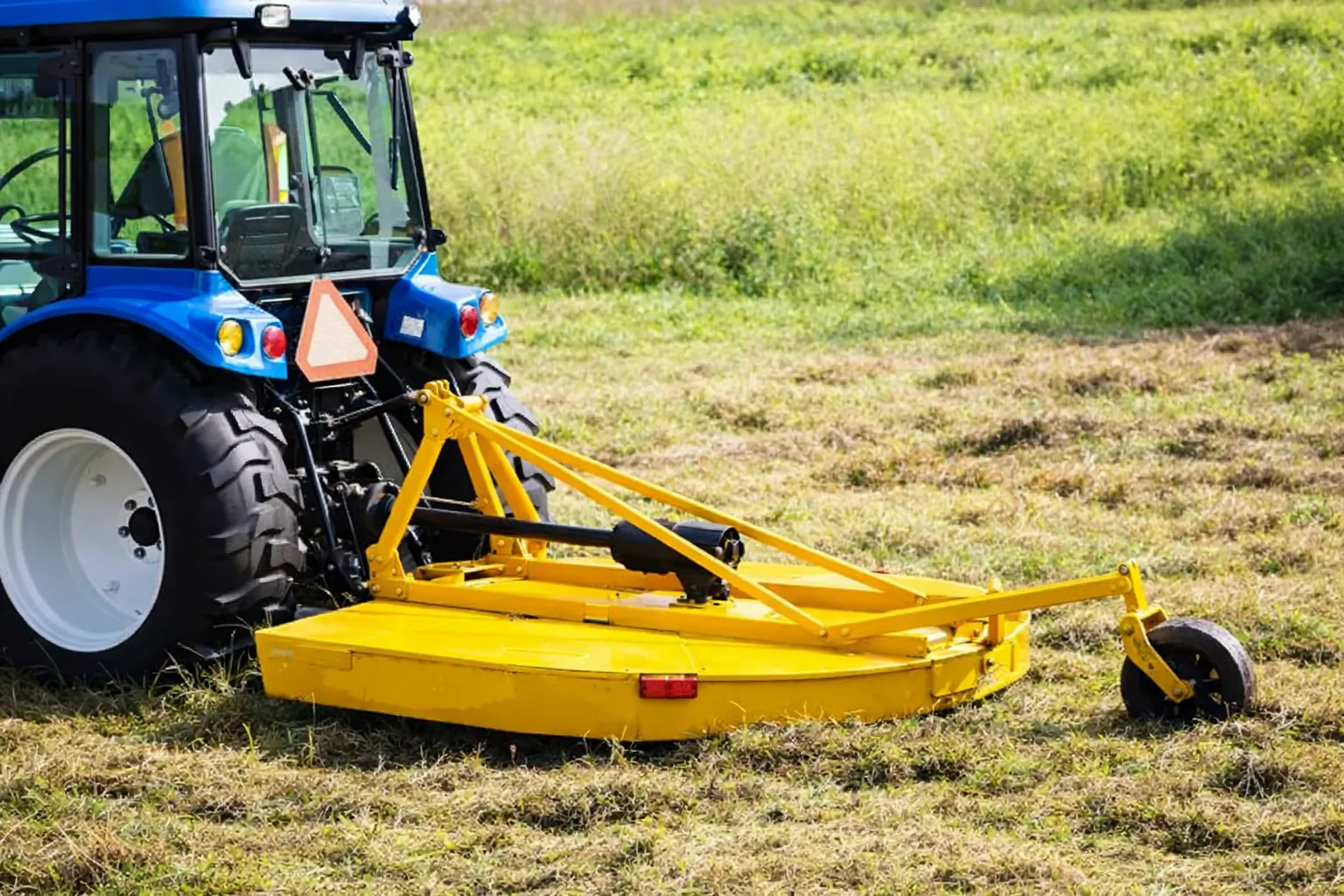
Post Hole Digger and Post Driver Sprocket Specifications
| Position | Chain Standard | Material | Hub Design | Keyway Treatment | Bore Surface | Rock-Encounter Rating |
|---|---|---|---|---|---|---|
| Auger main drive (heavy duty) | ANSI 100 or ANSI 120 double-strand | SAE 4140 alloy steel | Extended hub, full-length key engagement | Broached keyway with generous fillet radius | Shot-peened bore surface | ✅ High — rated for ironstone/granite encounter |
| Auger main drive (standard duty) | ANSI 80 double-strand | SAE 4140 alloy steel | Standard hub, full-depth key | Broached keyway with fillet radius | Shot-peened bore | ✅ Moderate — standard pastoral conditions |
| Auger lift / lower | ANSI 80 single or double-strand | SAE 4140 alloy | Wide hub, taper-lock option | Full-depth key, generous fillet | Standard bore | ✅ Moderate — arrest shock rated |
| Post driver hammer lift | ANSI 60 or ANSI 80 | SAE 4140 alloy | Standard hub, precision bore | Full-depth key | Standard | ✅ Cyclical impact rated |
| Auxiliary / control drives | ANSI 40 or ANSI 50 | SAE 1045 carbon steel | Standard hub | Standard keyway | Standard | Low shock — standard spec |
️ Hub Bore Fatigue Life Enhancement — Our Engineering Approach
We apply three engineering measures to the auger main drive sprockets in our post hole digger range that specifically increase hub bore fatigue life under the vibration-plus-shock loading profile of Australian pastoral conditions:
- Enlarged Keyway Fillet Radius: Our standard keyway fillet radius for post hole digger auger drive sprockets is 0.4× the keyway width — significantly larger than the minimum radius specified in ISO 773. This larger fillet radius reduces the stress concentration factor at the keyway corner from approximately Kt 3.0 to Kt 1.8 — halving the peak alternating stress at the fatigue initiation site. This single geometry change has the largest single impact on hub fatigue life of any specification modification we have investigated.
- Shot-Peened Bore Surface: Shot peening the bore surface — including the keyway walls and fillet — introduces a compressive residual stress layer that must be overcome before any fatigue crack can initiate. The same principle used on tooth root fillets for baler and mulcher sprockets is applied to the bore surface of post hole digger auger drive sprockets. Our testing shows that shot-peened bore surfaces extend hub fatigue life by 35–55% compared to machined-only bore surfaces under identical vibration loading conditions.
- Extended Key Engagement Length: For heavy-duty post hole digger auger drives, we extend the hub length to provide key engagement of at least 1.5× the bore diameter. This distributes the peak torsional shock load over a greater key contact area, reducing the peak shear stress at the key root to below the material’s fatigue limit even under rock-encounter shock events.
Customer Cases
Australia — Pastoral Company, SW Queensland
A southwest Queensland cattle station running post hole diggers for large-scale perimeter fencing construction had experienced three hub fracture failures in an 8-month period, all at the keyway in the auger main drive sprocket. Analysis confirmed vibration fatigue crack initiation. After upgrading to our SAE 4140 shot-peened extended-hub sprockets, the drive ran 14 months without a hub failure across conditions that included multiple ironstone encounters per day. “The hub fractures were happening without any warning — the drive appeared to be running normally and then suddenly failed. Since switching to your specification, we have not had a single hub fracture. The fillet radius and shot-peening combination is clearly the right solution for ironstone country.” ⭐⭐⭐⭐⭐
Australia — Fencing Contractor, WA Rangelands
A WA rangelands fencing contractor working granite outcrop country specifies our heavy-duty auger main drive sprockets for all their post hole diggers. “WA granite is the worst rock encounter conditions you can work in — hard, angular, and completely unpredictable. Standard sprockets lasted 60–80 hours in our conditions. Your SAE 4140 shot-peened range has been running 200+ hours per machine without a hub failure. That improvement has changed the economics of our operation.” ⭐⭐⭐⭐⭐
New Zealand — Rural Contractor, Southland
A Southland rural contractor running post hole diggers in heavy volcanic rock country sources our auger main drive sprockets. “Southland volcanic rock creates the same shock loading problem as Australian ironstone. Your extended hub and shot-peened bore specification is the correct engineering answer for any post hole digger working in hard rock country, regardless of hemisphere.” ⭐⭐⭐⭐⭐
Zimbabwe — Game Farm Fencing Operation, Matabeleland
A Matabeleland game farm running large-scale perimeter fencing construction sources our heavy-duty auger drive sprockets. “Matabeleland granite and ironstone creates the same vibration-plus-rock-encounter failure pattern you describe. Your engineering explanation of the hub fatigue mechanism was the first time anyone had explained why our sprockets were failing the way they were. The solution has worked exactly as predicted.” ⭐⭐⭐⭐⭐
Argentina — Cattle Ranch, Patagonia
A Patagonian cattle ranch running extensive perimeter fencing across basalt and lava stone country sources our auger main drive sprocket range. “Patagonian basalt is extremely hard and the rock encounter frequency is very high. Your SAE 4140 alloy with the enlarged keyway fillet is the specification we needed — three seasons without a hub fracture in conditions that previously destroyed a hub every three to four months.” ⭐⭐⭐⭐⭐
Complete Your Post Hole Digger Drive System
S-type, CA-type, and ANSI roller chains matched to every sprocket in our range — same standards, same quality, same manufacturer.
T-series and wide-angle CV drivelines that deliver tractor PTO power into every implement chain drive we serve.
Right-angle bevel and parallel-shaft gearboxes forming the upstream drive stage for every PTO-powered chain system.
❓ Frequently Asked Questions
Get Vibration-Fatigue-Resistant Sprockets for Your Post Hole Digger
Tell us your machine make, model, chain size, and the soil/rock conditions you operate in — we will specify the correct alloy grade, hub geometry, and keyway fillet treatment for your duty. Shot-peen treatment records and SAE material certificates included with every order. 30–50% below OEM pricing.