What's the difference between ANSI and BS chain, and can I mix them?
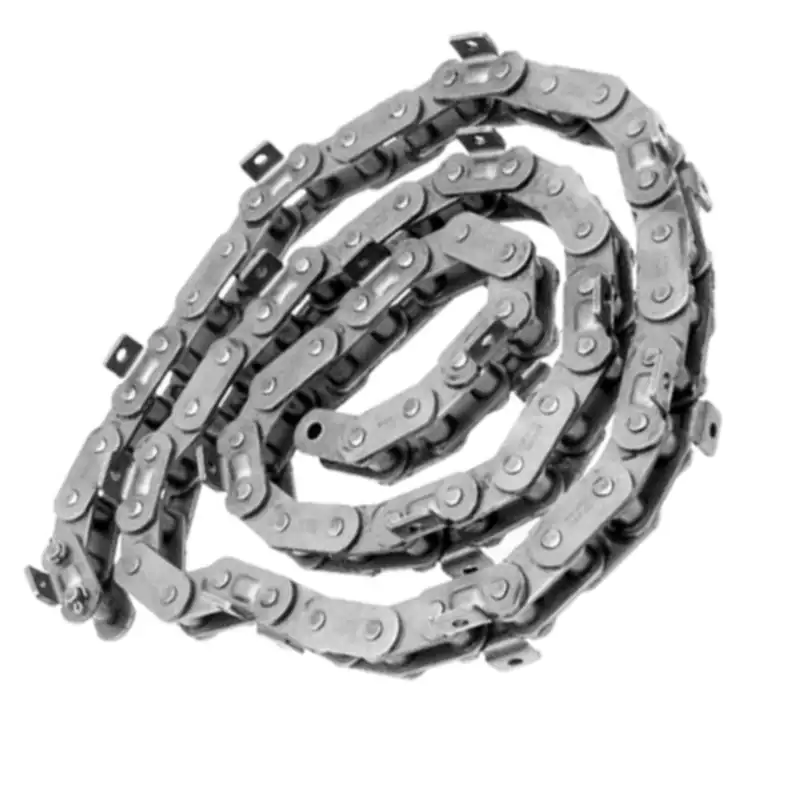
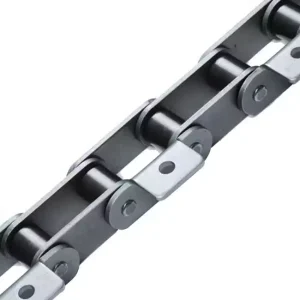
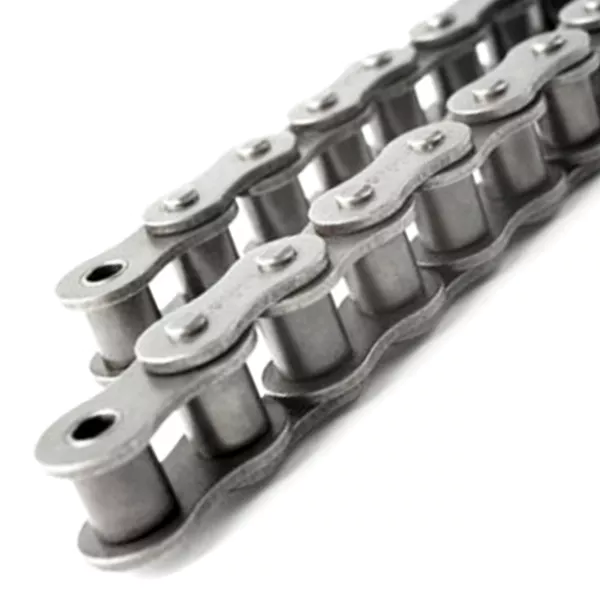
ANSI (American) and BS (British) chains use different pitch dimensions and roller diameters even when chain numbers look similar. ANSI 50 chain is not compatible with BS 10B sprockets. Always match chain and sprocket to the same standard. If you're unsure, send us a photo of the side-plate stamp — the marking identifies the standard. Chain and sprocket should always be replaced as a matched pair when worn.
When should I upgrade from standard to SP / heavy-duty chain?
Any drive where peak loads exceed 70 percent of the standard chain's working load limit, or where shock loading is significant. Combine threshing drives, large square baler ram drives, forage harvester feed rolls, big rotary cutters and high-torque irrigation pump drives all benefit. SP-series chain typically runs two to three times longer in field service than standard ANSI in these conditions, even though the upfront cost is only 25 to 35 percent higher.
How is S-type chain different from standard roller chain?
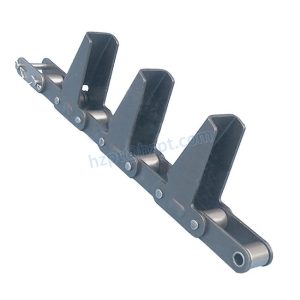
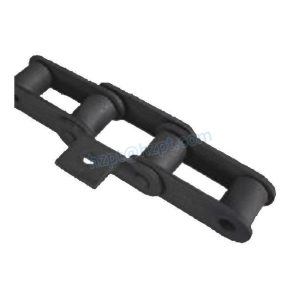
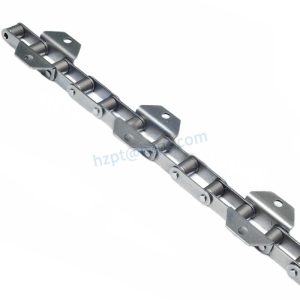
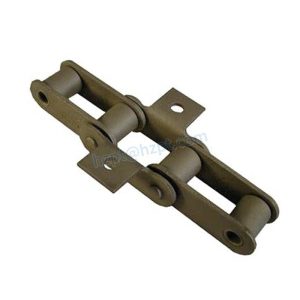
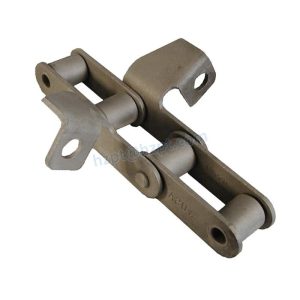
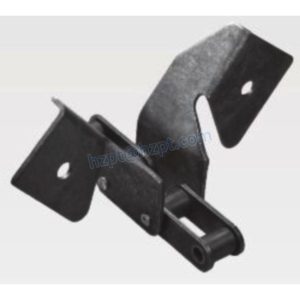
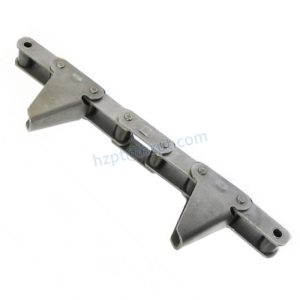
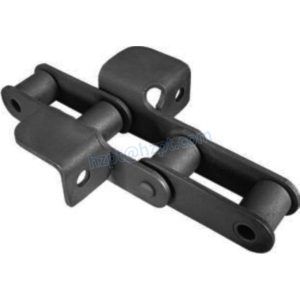
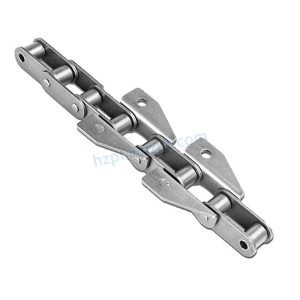
S-type chains (S32, S42, S55, S62, S77, S88) are a separate agricultural standard with longer pitches and specialised side-plate geometry designed for attachment links. They run on different sprocket profiles and are generally not interchangeable with standard ANSI or BS chain. S-type is the standard for combine pickup conveyors, baler pickups and forage feed conveyors — applications with attachment flights, paddles or guide bars bolted to the chain.
Can your chains replace chains from major OEM brands?
Yes — we manufacture to a large library of OEM patterns and can reverse-engineer chain from a worn sample. Provide the OEM part number, a photo of the side-plate stamp, or the equipment serial number, and we will confirm interchangeability. Direct dimensional matching is standard. For high-duty applications we also offer material upgrades over the original specification — for example, hardened pins or reinforced side plates while keeping the OEM-pattern outer dimensions.
Can you make chain to my own drawing or sample?
Yes — about 40 percent of our output is to customer drawings or sample parts. We accept DWG, DXF, PDF and STEP files, or can reverse-engineer from a worn sample chain. Drawings should specify pitch, roller diameter, side-plate dimensions, attachment configuration, material grade and any special heat treatment. Custom pitches outside the standard ANSI / BS series are also possible for specialist OEM equipment.
What warranty applies to your agricultural chains?
All chains carry a 12-month manufacturing defect warranty from date of dispatch, covering material flaws, dimensional non-conformance, tensile failures below rated load, and heat-treatment defects. Wear from normal field use is not covered, nor is failure caused by under-sized chain selection or running on worn sprockets. For OEM customers, extended warranty arrangements can be agreed contractually.
Do you provide ISO certificates and test reports?
Yes — every shipment ships with a certificate of conformity referencing our ISO 9001 quality system. Tensile test reports, material chemistry certificates and pin hardness data are all available on request. For OEM customers we also provide dimensional inspection reports against your drawing tolerances and serialised lot traceability.
Do you supply matched chain-and-sprocket kits?
Yes — many customers find it easier to order chain and sprocket as a matched set. Specify the chain length and standard, sprocket tooth counts and bore configurations, and we ship a kit with chain and wheels matched to the same standard, manufactured tolerance and quality grade. Particularly popular with implement OEMs and harvester rebuild specialists who don't want mismatched-life issues halfway through a season.
What lubricant should I use on agricultural chains?
For most agricultural duty, use a high-cling chain lubricant that resists fling-off. SAE 30 to SAE 80 mineral oils with extreme-pressure additives suit most temperature ranges. In the dust-heavy environments common to harvest, dry film (graphite or PTFE) lubricants reduce dust adhesion. For stainless chain in food or fertiliser duty, use food-grade or chemically inert lubricants only. Avoid grease — it traps abrasive dust against the bearings.