PTO Shaft for Deep Placement Applicator — Precision Subsurface Nutrient Drive for Maximum Crop Uptake
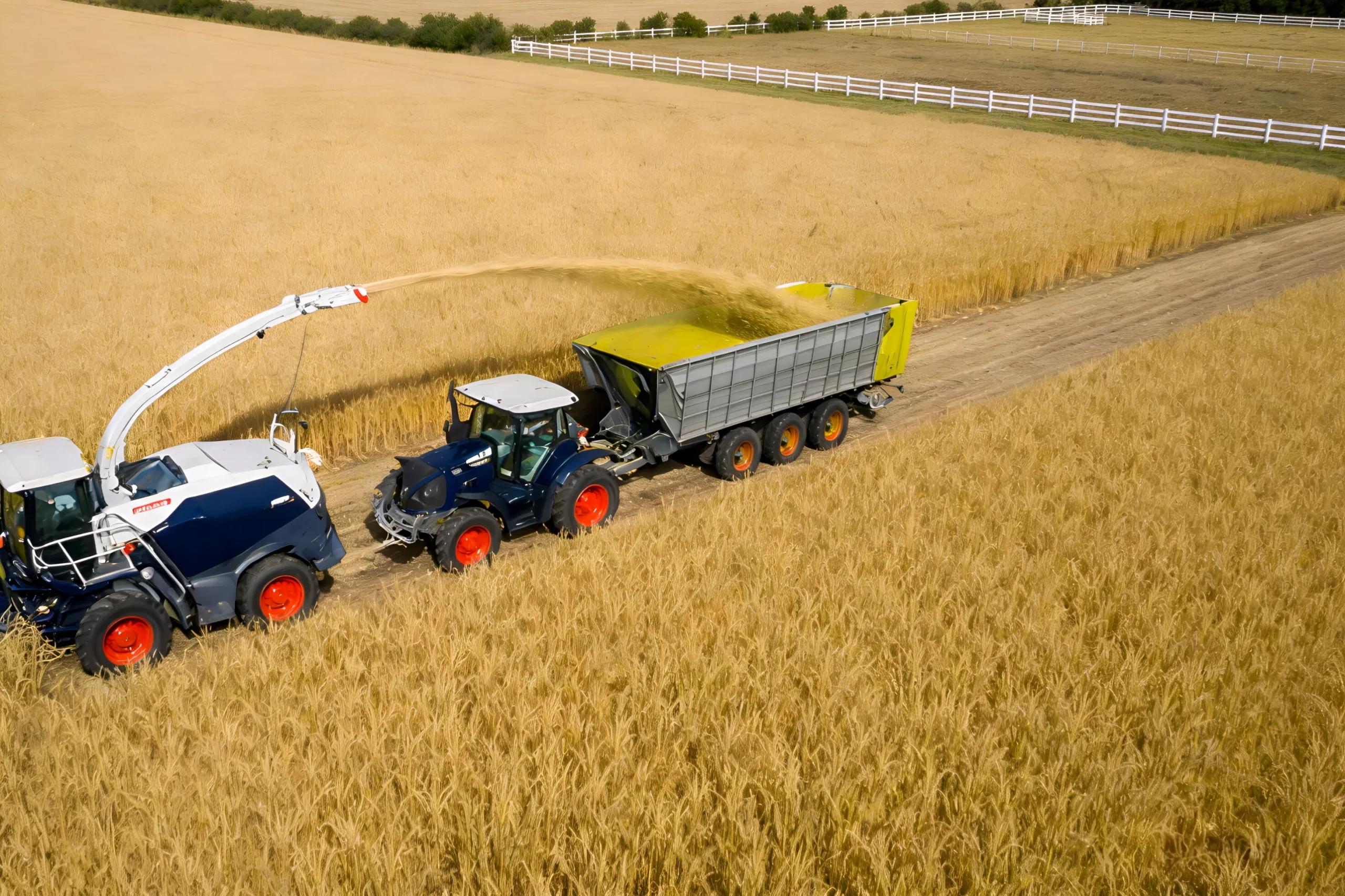
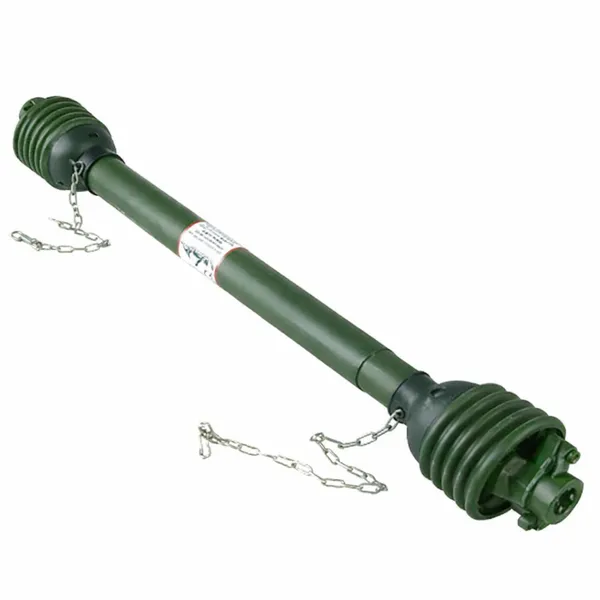
The deep placement applicator PTO shaft — also known as a subsurface fertiliser applicator driveshaft, knife applicator cardan shaft, or deep-band placement PTO driveline — powers the soil-opening, fertiliser metering, and optionally the hydraulic downforce control systems on machines designed to place fertiliser (typically urea, DAP, or liquid nitrogen) at precisely defined depths of 80–200 mm below the soil surface, where root interception and nutrient use efficiency are maximised compared to surface broadcasting.
Deep placement applicators fall into two broad categories: (1) Tined applicators that use rigid or spring-release tines to create a narrow slit at working depth into which a metered flow of fertiliser is deposited — these are commonly PTO-powered for their metering and optional hydraulic circuits; and (2) Combined tillage-placement units (such as the Australian-developed Flexi-N and Graintec deep-banders) that incorporate a powered tillage rotor or vibrating tine ahead of the placement knife, requiring a much more powerful PTO input. Our shaft range covers both categories.
Browse our precision nutrient application PTO shaft range or talk to our agronomic machinery team about deep placement system specifications.
Technical Specifications — PTO Shaft for Deep Placement Applicator
| Parameter | Standard Value / Configuration | Customisable Range |
|---|---|---|
| Series (metering-only) | Series 3 / Series 4 (fan/pump drive) | Series 3–5 |
| Series (combined tillage unit) | Series 6 / Series 7 | Series 5–8 |
| PTO Speed | 540 RPM (std); 1000 RPM (fan drive) | 540 / 1000 RPM |
| Power Rating (metering only) | Up to 30 kW | 8–55 kW |
| Power Rating (tillage+placement) | Up to 120 kW | 55–180 kW |
| Continuous Torque (metering) | 350 N·m | 80–700 N·m |
| Continuous Torque (tillage) | 2,000 N·m | 900–4,000 N·m |
| Compressed Length | 580–950 mm | 450–1,800 mm |
| Extended Length | 900–1,550 mm | 680–2,600 mm |
| Tube Profile | Tri/Lemon (S3/S4) · Star/Hex (S6/S7) | Lemon / Tri / Star / Hex |
| Universal Joint | CV joint (standard for both types) | CV ±30° to ±45° |
| Overload Protection (S3/S4) | Friction clutch | Friction / Shear bolt |
| Overload Protection (S6/S7) | Cam torque limiter | Cam / Friction |
| Slip Torque (S3/S4) | 280–500 N·m | 80–900 N·m |
| Slip Torque (S6/S7) | 1,800–3,000 N·m | 900–5,500 N·m |
| Guard Type | PE full-cone (both series) | Full / Half cone PE |
| Grease Interval | Every 8 hours (sealed: 25 hrs) | 8–50 hrs |
| Fertiliser Compatibility | All granular; NH3 environment option | NH3-resistant seals optional |
| Surface Finish | Zinc phosphate + grey enamel | Various |
| Operating Temp Range | -25 °C to +80 °C | -40 °C to +100 °C |
Working Principle of the Deep Placement Applicator PTO Shaft
In a tined deep-placement fertiliser applicator (fan/pump metering type), the PTO shaft drives a centrifugal blower or positive-displacement metering fan that generates the airflow or mechanical force to convey granular fertiliser from the hopper through distribution lines to each individual placement knife opener. The knives themselves are ground-driven (press-wheel or cultivator frame), so the PTO shaft load is purely the fan/pump drive — typically 10–25 kW in a 9-to-12 row machine. The shaft runs at 540 RPM and drives through a compact bevel gearbox on the machine frame. Precise metering consistency — one granule per millimetre of tube conveying distance — requires a consistent, vibration-free shaft speed input.
In a combined tillage and deep-placement machine (such as a deep-bander with powered disc or tine ahead of the knife), the PTO shaft faces a dramatically heavier duty: driving the soil-opening element at depth (40–80 cm) while maintaining the metering function. This is mechanically analogous to a powered subsoiler with integrated metering, and the shaft specification follows Series 6/7 deep-cultivator engineering principles, with a cam torque limiter and hex/star tube for maximum torque capacity.
Core Advantages of Our PTO Shaft for Deep Placement Applicator
Optimised for Two Application Types
We offer Series 3/4 (fan/metering drive) and Series 6/7 (combined tillage placement) shafts — ensuring each application type receives the precisely correct engineering, not an over-specified or under-specified compromise.
Consistent Metering Speed
Fan-drive shafts balanced to G6.3 at 540 RPM deliver constant airflow to all distribution lines — preventing differential pneumatic pressure that causes uneven fertiliser distribution between rows.
NH₃-Resistant Seal Option
For anhydrous ammonia (NH₃) deep-band applicators, we supply cross-kits with Viton (FKM) sealed bearing cups that resist the aggressive chemical attack of anhydrous ammonia on standard NBR rubber seals.
Precision Agriculture Integration
Consistent shaft speed supports ISOBUS-connected deep-placement rate controllers that adjust metering gate aperture based on GPS speed — any shaft-induced speed variation causes rate errors visible in soil sampling data.
Variable Length Options
Deep placement machines have highly variable tractor-to-machine geometry depending on toolbar length and hitch type. We offer shaft lengths from 580 mm compressed to 1,800 mm extended — covering the full range of Australian deep-bander configurations.
Australian-Made Application Support
We understand locally developed deep placement systems (Graintec, Flexi-N, Australian Ag, Stockdale) — our engineers have direct experience with Australian nutrient placement machinery that offshore suppliers typically do not.
Brand Compatibility, Spare Parts & Cross-References
Our pto shaft for deep placement applicator is engineered as a direct drop-in replacement for OEM shafts supplied on: Graintec, Australian Ag, Stockdale, Flexi-N, Horsch, Amazone, Vaderstad, Bourgault. Our live cross-reference database (12,000+ entries) confirms exact fitment before dispatch — eliminating costly returns.
⚠️ Disclaimer: All brand names are cited to assist operators in identifying compatible PTO shaft replacement parts. No commercial relationship with any listed brand is claimed.
Spare parts stocked separately: Cross-kits (open / IP55 / IP67 / Viton-seal) · Locking yoke collars · Friction disc sets · Cam spring kits · Guard sets · Replacement tubes · Grease nipples (DIN/BSP/Metric) · Shear bolt kits
→ Browse all PTO shaft spare parts and accessories
Compliance, Standards & Regional Market Demand
Applicable Standards & Regulations: Standards: ISO 5673-1:2014, ASABE S203.12. Anhydrous ammonia (NH₃) applications: additional requirements under Dangerous Goods Regulations (State-specific) and Safe Work Australia COP for ammonia; PTO shaft in NH₃ applications must use NH₃-compatible seal materials. GRDC nutrient placement efficiency research supports deep placement as a best-management practice — consistent shaft performance is part of the system. NRM/EPA separation distance regulations apply to nutrient application near waterways.
Key Australian Demand Regions: Key regions for deep placement: WA Wheatbelt (deep-banding P and N), Eyre Peninsula SA, Wimmera/Mallee VIC, Darling Downs QLD (cotton deep-banded N), Central NSW (wheat/canola), NT tropical cropping.
All products are dispatched with CE Declaration of Conformity (where applicable), ISO material certifications, dimensional inspection reports, and surface treatment test certificates. GST-inclusive AUD invoicing available for Australian buyers.
Quick Selection Guide — PTO Shaft for Deep Placement Applicator
| Selection Parameter | How to Determine | Selection Guidance |
|---|---|---|
| Applicator type | Fan/metering only / Combined tillage | Fan/metering: Series 3/4; Combined tillage: Series 6/7 |
| Working depth | 80–200 mm | Deeper = more soil resistance = heavier shaft if tillage element present |
| Number of rows | 4–24 rows | More rows = more metering fan load if single-fan design |
| Fertiliser type | Granular / Liquid / Anhydrous NH₃ | NH₃: specify Viton seal option — mandatory |
| PTO speed required | 540 RPM (fan); 1000 RPM (large fan) | Confirm on machine specification plate |
| Tractor-machine geometry | Measure compressed/extended at field pos | Deep banders often have long toolbar distance — measure carefully |
Step-by-Step Installation Guide — PTO Shaft for Deep Placement Applicator
- [NH₃ safety — critical] For NH₃ applications: full chemical PPE mandatory (respirator, face shield, chemical-resistant gloves) before PTO work.
- [Setup position] Hitch applicator; lower toolbar to working depth on prepared ground for geometry measurement.
- [Length measurement] Measure PTO stub to applicator fan/gearbox input; confirm correct shaft compressed and extended length.
- [Anti-seize application] Apply PTFE anti-seize to tractor PTO splines (NH₃ use: use NH₃-resistant anti-seize paste).
- [Tractor connection] Install tractor-end CV yoke; engage locking pin.
- [Machine connection] Install machine-end CV yoke onto applicator gearbox/fan input; tighten collar to 25–30 N·m.
- [Guard setup] Verify full-cone guard is fitted; both anchor chains secure.
- [Calibration] Calibration run: engage PTO at idle, check fan speed with tachometer against specification; run calibration tray for metering consistency check.
- [Lubrication] Grease all nipples before first field use; repeat at 8-hour intervals (25 hours for sealed kits).

️ Troubleshooting — Common PTO Shaft Issues & Solutions
⚠️ Uneven fertiliser distribution between rows
Root Cause: PTO shaft speed variation from worn cross-joint; fan imbalance
Fix: Replace cross-kit; rebalance fan; check shaft balance at 540 RPM
⚠️ Fan not reaching rated RPM under field load
Root Cause: Shaft clutch slipping; tractor PTO HP insufficient for machine width
Fix: Check clutch preload; verify tractor PTO HP meets machine requirement
⚠️ NH₃ odour from cross-joint area
Root Cause: Standard NBR seals degraded by NH₃; gas permeating through seal
Fix: Immediately stop work; upgrade to Viton-seal cross-kit; ammonia exposure is a serious health risk
⚠️ Cam clutch over-cycling on combined tillage applicator
Root Cause: Hard pan or embedded rock at working depth; cam set too low
Fix: Increase cam spring tension; pre-rip particularly hard areas before deep-banding
⚠️ Granules not clearing tube after fan engagement
Root Cause: Fan not at sufficient speed to build pneumatic pressure at engagement
Fix: Engage PTO at 800+ RPM; allow fan to reach speed before opening metering gates
Engineer’s Field Notes — Australian Case Studies
Wongan Hills, WA
P and N deep-banding — Graintec Mustang deep-bander, 12 rows
“”Western Australian farmers have been deep-banding for 30 years. Your Series 4 fan-drive shaft is the most reliable we’ve used — consistent spread across all 12 rows confirmed by soil probe.””
Pinnaroo, SA
Mallee deep-banding phosphorus on low-P soils
“”Non-standard shaft length for our old Stockdale machine. You made the custom length, confirmed the spline match, and had it to us in 6 days. Machine is 20 years old and still going.””
Narrabri, NSW
Cotton deep-banded N — anhydrous ammonia application
“”NH₃ use is non-negotiable on Viton seals — NH₃ destroys NBR in one season. Your Viton option is the only shaft we’ll use for NH₃. Properly specified product.””
Emerald, QLD
Irrigated sorghum — deep P and Zn placement
“”Combined tillage-placement machine, Series 7 cam clutch shaft. Hit a buried irrigation concrete at 160 mm depth — cam clutch saved the gearbox. Machine back running in 10 minutes.””
Katherine, NT
Tropical deep-banding for wet-season cropping
“”NT conditions are extreme — heat, wet, and red sandy soil. Your shaft survived the wet season without any corrosion on the epoxy-finished tube. Very happy with the quality.””
❓ Frequently Asked Questions
What is deep placement of fertiliser and why does PTO shaft quality matter?
Do I need a special PTO shaft for anhydrous ammonia (NH₃) deep placement?
What is the difference between a fan-metering-only deep placement shaft and a combined tillage shaft?
Can I use my standard air-seeder drill PTO shaft on my deep placement applicator?
How does deep placement precision compare between PTO-driven and ground-driven metering systems?
Related Products — Agricultural Gearboxes & PTO Accessories
We manufacture the complete drivetrain ecosystem. Our agricultural gearboxes are engineered to pair with our PTO shafts for minimised system vibration and matched torque ratings.
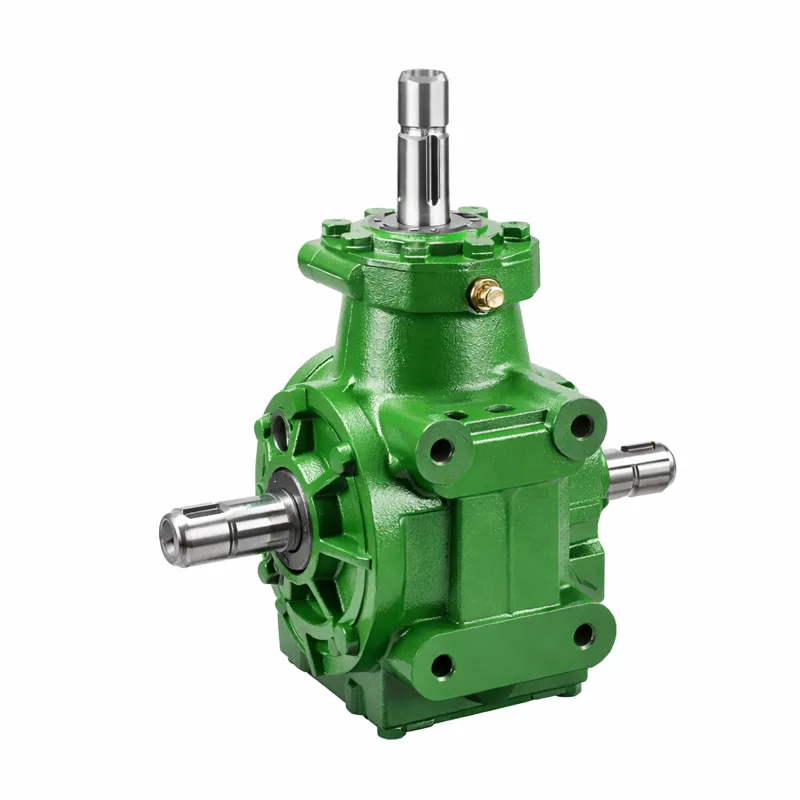
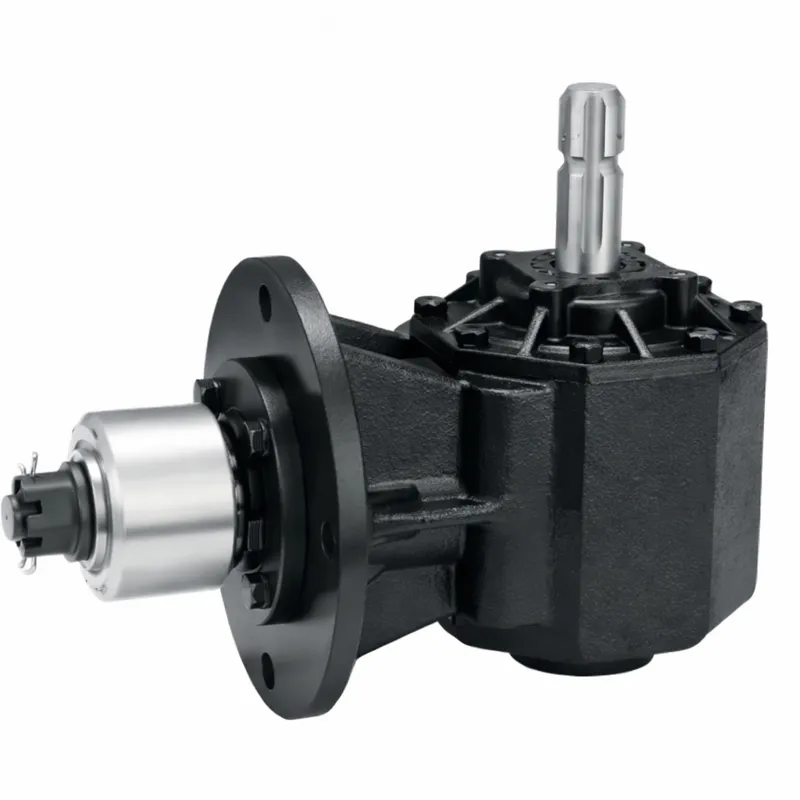
Agricultural PTO Gearbox
Bevel, right-angle, and inline gearboxes for all spreader and applicator drive configurations.
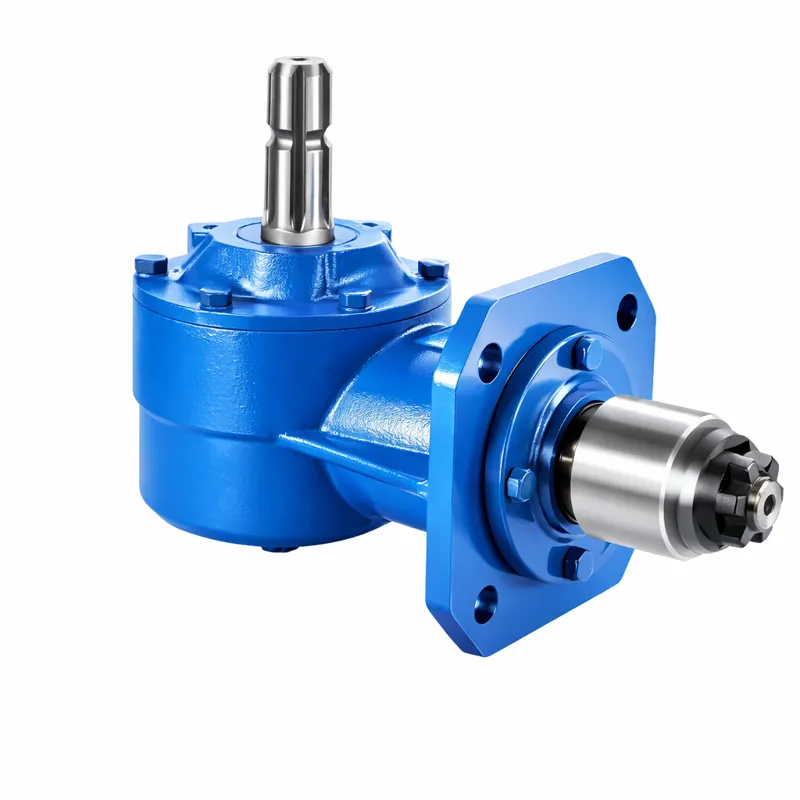
Cross-Kits & Overload Clutches
IP55 sealed, Viton-seal, and standard cross-kits; friction disc sets; cam spring kits.
Guards & Safety Components
Full-cone and half-cone PE guards; chemical-resistant versions; retaining chains and strap kits.
Partner with Us — OEM, Wholesale & Direct Supply
Source a Reliable PTO Shaft for Deep Placement Applicator Today
Whether you need a single replacement shaft urgently or are establishing a long-term supply relationship for a dealer or OEM production line, our team is ready:
- ✅ Cross-reference confirmed before dispatch — zero guesswork returns
- ✅ Custom lengths, splines, clutch settings, and seal specifications to your requirements
- ✅ Volume pricing for agricultural dealers, machinery importers, and OEM accounts
- ✅ Express Australia-wide freight — same-day dispatch on stocked configurations
- ✅ Full compliance documentation packa