Descrizione
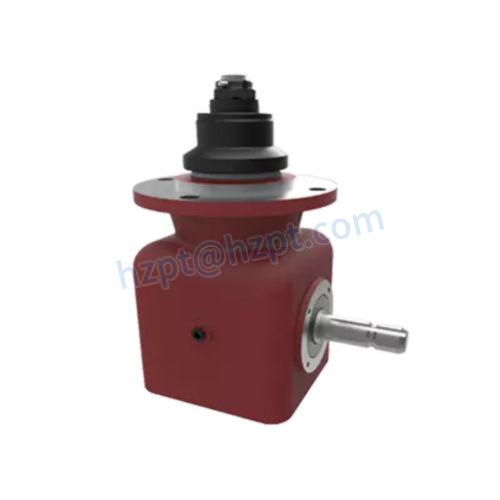
Rotary Cutter Gearbox EP10
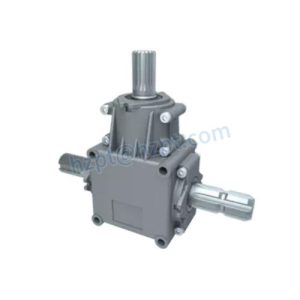
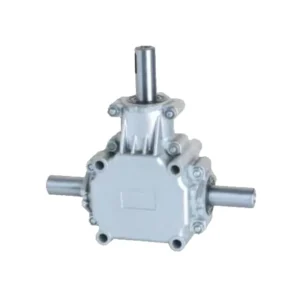
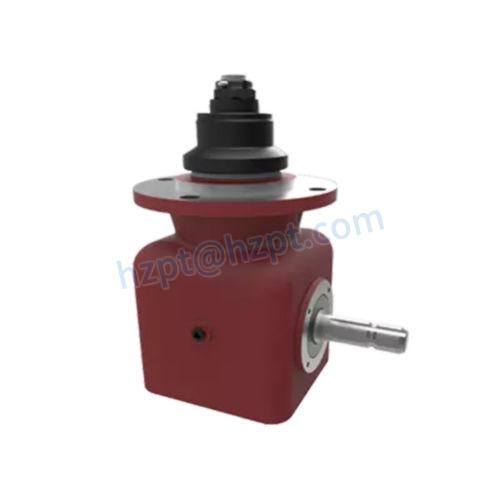
Rotary Cutter Gearbox for Rotary Cutter / Brush Cutter — model EP10.
Detailed Technical Specifications — EP10
The Rotary Cutter Gearbox EP10 is engineered as a rotary cutter gearbox for rotary cutter / brush cutter applications. Designed to transfer 90° PTO power to the horizontal cutter blade shaft, the unit covers 25–100 HP input ratings and is built for high-impact intermittent loads from brush and saplings.
| Serie / Modello | EP10 |
|---|---|
| Applicazione | Rotary Cutter / Brush Cutter |
| Rapporto di trasmissione | 1:1 to 1:1.46 |
| Velocità di ingresso (RPM) | 540 giri/minuto / 1000 giri/minuto (selezionabile) |
| Albero di ingresso | 1 3/8″ 6 scanalature (standard PTO) |
| Albero di uscita | Hollow shaft with shrink disk |
| Peso netto | ~ 18 kg |
| Colore | Custom RAL on request |
| Certificazione | Revisione della norma AS 4024 |
| Garanzia | 24 months for OEM contract orders |
| Confezione | Carton + foam insert + wooden pallet |
| Paese di origine | Cina (fabbrica di esportazione) |
| Tipo di ingranaggio | Spur + Bevel Combination |
| Potenza di ingresso valutata | 50–120 HP |
| Coppia in uscita (nominale) | 2.000 N·m – 5.500 N·m |
| Coppia massima di picco | 2.5 × rated |
| Efficienza di trasmissione | ≥ 96.5% per stage |
| Direzione dell'albero | Bevel 45° offset |
| Schema di montaggio | 4-bolt square flange 100 × 100 mm |
| Interfaccia di ingresso presa di forza | 1 3/8″ 6-spline (ASAE S203) |
Engineering Features of the Rotary Cutter Gearbox
Each of the cards below describes a specific, measurable attribute of the EP10 unit. Generic claims have been kept out — every number here is tied to a manufacturing process or a verified test result.
Compatibilità e riferimenti incrociati
The EP10 is designed as a drop-in or close-substitute fit for a number of OEM gearbox positions used on tractors and rotary cutter / brush cutter implements globally. The table below summarizes commonly cross-referenced brands. Final fitment must be verified by physical dimension matching.
| Marca | Gamma di attrezzature | Note |
|---|---|---|
| Deutz-Fahr | trattori e mietitrebbie | Riferimento incrociato; verificare tramite le dimensioni della flangia e dell'albero |
| Lemken | attrezzi per la lavorazione del terreno | Riferimento incrociato; verificare tramite le dimensioni della flangia e dell'albero |
| Nuova Olanda | trattori, presse, falciatrici | Riferimento incrociato; verificare tramite le dimensioni della flangia e dell'albero |
| Claas | mietitrici e presse per foraggio | Riferimento incrociato; verificare tramite le dimensioni della flangia e dell'albero |
| Vicon | spandiconcime | Riferimento incrociato; verificare tramite le dimensioni della flangia e dell'albero |
| Krone | mietitrici foraggere | Riferimento incrociato; verificare tramite le dimensioni della flangia e dell'albero |
Ricambi disponibili (venduti separatamente)
- piastra di copertura terminale
- Tappo di sfiato
- Tappo di scarico (magnetico)
- Mounting flange gasket
- Replacement housing (HT250)
- Bolt and washer kit
How to Select the Right Rotary Cutter Gearbox
Use the three-step approach below to match a EP10-class unit to your tractor and implement.
- Misura — Annota lo standard della presa di forza del tuo trattore (540 / 1000 giri/minuto, numero di scanalature), il diametro e la lunghezza dell'albero di ingresso dell'attrezzo e lo schema di foratura disponibile sulla parte anteriore dell'attrezzo.
- Incontro — cross-check those measurements against the spec table for the EP10. The flange, shaft, and ratio need to all line up before moving on.
- Verificare sotto carico — Verificare che la potenza nominale in ingresso e la coppia in uscita siano sufficienti per le condizioni operative ottimali (ad esempio, terreno bagnato, colture dense, avviamento a freddo).
Lista di controllo dei criteri di selezione
| Criterio di selezione | Punti di risposta |
|---|---|
| Implementa il tipo → corrispondenza del rapporto | For rotary cutter / brush cutter, target gear ratio in the 1:1 to 1:1.46 range for correct rotor or output speed. |
| Fascia di potenza del trattore | Match input power rating to your tractor: 25–100 HP is the practical envelope for the EP10 family. |
| Velocità della presa di forza (540 vs 1000 giri/minuto) | 540 giri/minuto è la velocità standard per i trattori con potenza inferiore a 100 CV; 1000 giri/minuto è preferibile per le macchine con potenza superiore a 100 CV e dove è richiesta una velocità di uscita maggiore. Verificare la potenza erogata dalla presa di forza del trattore prima di effettuare la specifica. |
| Materiale per l'edilizia | Ghisa (HT250 / QT500) per impieghi gravosi e continui; lega di alluminio laddove la riduzione del peso e la rapida dissipazione del calore siano importanti, ad esempio per piccoli attrezzi movimentati frequentemente. |
| Disposizione | Le unità ad angolo retto (90°) reindirizzano la potenza della presa di forza verso un albero di lavoro perpendicolare; le unità in linea mantengono l'allineamento dell'albero. La scelta dipende dalla geometria dell'attrezzo. |
| Standard vs personalizzato | I modelli standard coprono la maggior parte delle posizioni OEM. Per rapporti di trasmissione non standard, estremità dell'albero speciali, flange sovradimensionate o specifiche per ambienti difficili, richiedere una realizzazione personalizzata. |
| Interfaccia dell'estremità dell'albero | Verifica lo standard della presa di forza in ingresso (6 scanalature, 21 scanalature, 20 scanalature) e l'estremità di uscita (con chiavetta, scanalata, flangiata) rispetto alla tua trasmissione e all'attrezzo. |
| Ambiente di lavoro | Elevate concentrazioni di polvere, fango, salsedine o temperature estremamente basse potrebbero richiedere guarnizioni con grado di protezione IP66, olio sintetico per basse temperature o finiture anticorrosione: specificare al momento del preventivo. |
Applicazioni tipiche e compiti di trasmissione di potenza
The EP10 is engineered for rotary cutter / brush cutter. The scenarios below describe the specific power-transmission tasks the gearbox is designed to handle, with details of mounting position, drive path, and the technical demand on the gear and bearing set.
Highway / Roadside Mower
Operated on offset booms by municipal contractors. Vibration and impact loads are higher than ag use; the EP10 housing absorbs these without distortion.
Orchard Mulcher
Mulches prunings between rows. The gearbox must accept frequent stops/starts as the operator navigates trees, with no torque-reversal damage to the bearings or gears.
Rotary Brush Cutter
Mounted on the deck of 3-point hitch slashers, the gearbox transmits PTO power 90° to the horizontal blade carrier. Shock loads from saplings up to wrist thickness make peak torque capability the primary selection criterion.
Pasture Topper
Lighter-duty mowing of weeds and unwanted growth on pasture land. Continuous-duty rotor speed of around 540 RPM at the spindle, sustained over hours, demands a high-efficiency gear set that runs cool.
Guida all'installazione e alla messa in servizio
Correct installation of the rotary cutter gearbox is the single biggest factor in achieving the design service life. Follow the steps below, in order. Skipping or compressing any step usually shows up as oil leak, premature bearing failure, or noise within the first season.
- Preparazione alla sicurezza. Spegnere il motore del trattore, rimuovere la chiave, disinnestare la presa di forza, inserire il freno di stazionamento e bloccare le ruote con dei cunei. Indossare guanti e occhiali di sicurezza. Prima di eseguire qualsiasi intervento sulla trasmissione, verificare che l'attrezzo sia posizionato su supporti stabili.
- Verificare il cambio prima del montaggio. Check that the EP10 model number, input flange dimensions, and input/output shaft specifications match both your tractor PTO and the implement input shaft. Mismatched flange or spline patterns will not be corrected by force-fitting.
- Riempire con lubrificante. Before first use, fill with the specified lubricant — typically SAE 75W-90 synthetic GL-5 — to the centre of the oil-level window. Refer to the spec table for the exact oil capacity for your unit; underfilling causes early bearing wear, overfilling raises oil temperature and stresses seals.
- Montare e serrare i bulloni con la coppia di serraggio corretta. Fissare la flangia del riduttore all'attrezzo utilizzando il set di bulloni originale. Serrare in diagonale in tre passaggi fino alla coppia finale (~ 140 N·m per bulloni M16 di grado 8.8). Un carico uniforme previene la deformazione della flangia e la formazione di punti di perdita di tenuta.
- Collegare l'albero di ingresso della presa di forza. Fissare il giunto dell'albero di trasmissione della presa di forza all'albero di ingresso del cambio. Verificare che il perno di bloccaggio o il collare a spinta/trazione si innesti completamente. Rimontare la protezione di sicurezza con entrambe le catene di fissaggio agganciate al trattore e all'attrezzo, senza mai farle ruotare insieme all'albero.
- Collegare l'albero di uscita. Inserire l'albero di uscita nell'albero di lavoro dell'attrezzo, allineare le chiavette o le scanalature e bloccare con il dado e la rondella di fissaggio in dotazione. Verificare che il gioco assiale dell'albero rientri nelle tolleranze del produttore, solitamente comprese tra 0,05 mm e 0,20 mm.
- Verificare l'allineamento dell'albero. Con il riduttore imbullonato e gli alberi collegati, ruotarlo lentamente a mano. L'eccentricità totale (TIR) in ingresso e in uscita non deve superare 0,10 mm. Qualsiasi punto di attrito eccessivo o rumore di sfregamento indica un problema di allineamento che deve essere corretto prima del funzionamento a motore.
- Esecuzione del test a vuoto. Azionate la presa di forza a bassi regimi del motore (dal minimo a 540 giri/min) per cinque-dieci minuti. Ascoltate attentamente per individuare eventuali rumori insoliti, controllate la presenza di perdite d'olio e verificate la temperatura dell'alloggiamento con una mano: dovrebbe essere caldo al tatto, ma non così caldo da risultare sgradevole.
- Rodaggio a carico parziale. Per le prime 50 ore di funzionamento, evitare il carico nominale massimo. Variare la velocità e applicare un carico leggero per assestare gli ingranaggi e i cuscinetti. Dopo il periodo di rodaggio, scaricare il lubrificante (che conterrà particelle microscopiche di rodaggio) e rabboccare con olio nuovo della stessa gradazione.
- Stabilire un programma di manutenzione. Controllare il livello dell'olio ogni 200 ore di funzionamento o settimanalmente in caso di utilizzo intensivo. Scaricare e sostituire l'olio del cambio ogni 500 ore o una volta a stagione, a seconda di quale condizione si verifichi per prima. Pulire l'esterno dell'alloggiamento dopo ogni turno per evitare l'accumulo di sporco che potrebbe trattenere l'umidità a contatto con le guarnizioni.
Our Rotary Cutter Gearbox vs. Low-Quality Alternatives
Not every gearbox sold as an “agricultural” unit is engineered for the job. The dimensions below compare the EP10 class build to the typical low-cost imported alternative.
| Dimensione | Unità di bassa qualità | La nostra costruzione | Beneficio per l'utente |
|---|---|---|---|
| Efficienza di macinazione | < 90%, si surriscalda sotto carico | ≥ 97% per rete a smusso spirale, aumento di temperatura ≤ 35 °C | Una maggiore potenza del trattore raggiunge l'attrezzo; meno energia viene dispersa sotto forma di calore. |
| equilibrio dinamico | Non misurato | Gruppi rotore bilanciati secondo ISO G6.3 | Elimina i guasti ai cuscinetti causati dalle vibrazioni. |
| Controllo del gioco | Montaggio manuale, unità incoerente da unità a unità | Dima impostata a ±0,02 mm in fase di assemblaggio | Contatto fluido tra i denti, sensazione di guida prevedibile. |
| Protezione delle superfici | Smalto monostrato, si sfalda in ambienti salini. | Base di fosfato di zinco + resina epossidica cotta, resistenza alla nebbia salina ≥ 480 ore | Protezione estetica e strutturale in ambienti costieri e invernali. |
| margine termico | Rischio di surriscaldamento in prossimità del carico massimo | Progettato per un funzionamento continuo con test di aumento della temperatura verificati. | Funzionamento sicuro a pieno carico per tutto il giorno. |
| Test di rodaggio | Nessuno — nave assemblata | 30 minuti di rodaggio a vuoto, firma acustica registrata per unità | Rileva gli errori di assemblaggio prima che l'unità lasci lo stabilimento. |
| durata di servizio prevista | Una stagione prima che compaiano rumori/perdite | ≥ 5 stagioni con una corretta manutenzione | Minori costi del ciclo di vita per ora di funzionamento. |
| Documentazione | Foglio di istruzioni generico | Scheda di ispezione per unità con gioco, coppia, rumore di rodaggio | Tracciabilità completa in caso di sinistro coperto da garanzia. |
| Assistenza post-vendita | Solo per rivenditori, nessun contatto tecnico | Assistenza diretta dalla fabbrica, risposta tecnica entro 24 ore. | Risoluzione più rapida in caso di problemi sul campo. |
Domande frequenti
Common questions from buyers evaluating the EP10 for their fleet or implement build. If your situation is not covered, send us the details and we will respond within one working day.
Posso sostituire le guarnizioni o i cuscinetti del cambio direttamente sul campo?
Qual è il livello di rumore e come viene misurato?
Fornite un rapporto di prova o un certificato di qualità per ogni unità?
How do I handle the gearbox during shipment to prevent transit damage?
How do I choose the right gear ratio for my tractor and implement?
Riscontro dei clienti sul campo
Selected feedback from operators using the EP10 or related units in commercial rotary cutter / brush cutter duty across multiple countries. Names are anonymized using city + initials for privacy.
Prodotti complementari e accessori per la trasmissione
A rotary cutter gearbox usually sits in the middle of a longer drivetrain. The items below complete the typical agricultural power-transmission package.
Certificazioni e standard di qualità
- ISO 9001:2015 — Sistema di gestione della qualità che comprende i processi di progettazione, produzione e ispezione.
- ISO 6336 — Norma di riferimento per il calcolo della capacità di carico degli ingranaggi cilindrici e conici.
- DIN 3960 / DIN 3961 — Definizioni del profilo del dente e della classe di precisione utilizzate per la classificazione della qualità degli ingranaggi.
- EN ISO 11684 — Segnaletica di sicurezza illustrata e segni di avvertimento per macchinari agricoli.
- Marcatura CE — Conformità alla Direttiva Macchine UE 2006/42/CE, ove applicabile.
- AS 4024 — Quadro normativo australiano per la sicurezza dei macchinari — di riferimento per le unità OEM destinate alle aziende agricole australiane.
- Certificazione dei materiali — Certificati di fabbricazione per leghe di ingranaggi e alberi; dati relativi a durezza, composizione e dati metallografici per ogni lotto, disponibili in archivio.
Flusso di lavoro di ispezione in uscita
Ogni lotto passa attraverso le seguenti fasi: controllo delle materie prime in entrata → controllo del primo articolo forgiato e lavorato → test di durezza del campione dopo il trattamento termico → misurazione della precisione degli ingranaggi su tester di classe Klingelnberg → verifica della coppia di serraggio in assemblaggio → rodaggio a vuoto e registrazione acustica → controllo visivo e di imballaggio finale. I registri di ispezione viaggiano con la scatola.
Note per gli acquirenti australiani
Units shipped into Australia for use on commercial farms should be reviewed against the relevant state WHS (Work Health and Safety) requirements and the rotary cutter gearbox fitted with all guards specified by the implement OEM. Common search terms used by Australian buyers include cambio agricolo Australia, Fornitore di riduttori agricoli in Australia, ricambi per trattori del Queensland, attrezzature agricole del Nuovo Galles del Sud, E macchinari agricoli Victoria — comunicaci il tuo stato e l'implementazione prevista e ti consiglieremo la configurazione più adatta.
Perché acquistare da noi? — Forza della fabbrica e del marchio
Sfondo della fabbrica
We have been manufacturing agricultural gearboxes including the rotary cutter gearbox family at our facility for over a decade. The plant covers a substantial machining and assembly area with dedicated heat-treatment, gear-cutting, gear-grinding, and final-assembly bays, and a year-round skilled workforce in production and quality.
Capacità produttiva
La capacità produttiva annua copre decine di migliaia di unità dell'intero catalogo. Le attrezzature critiche includono centri di dentatura CNC, rettificatrici CNC per ingranaggi, forni di tempra a tenuta stagna per trattamenti termici, macchine di misura a coordinate tridimensionali (CMM), tester di contatto per denti di ingranaggi e banchi di prova dedicati per il rodaggio. Gli utensili e gli stampi per i modelli più richiesti sono tenuti a disposizione per ridurre i tempi di risposta per gli ordini ripetuti.
impronta di esportazione
Attualmente esportiamo in decine di paesi, con mercati principali in Australia, Nord America, Europa e Sud-est asiatico. I termini di ricerca più comuni utilizzati dagli acquirenti internazionali includono: Produttore cinese di riduttori agricoli, fornitore di riduttori agricoli personalizzati, E Fabbrica di riduttori OEM — e il nostro team di vendita è attrezzato per gestire revisioni dei disegni e conversazioni tecniche in inglese.
Capacità OEM/ODM
Il nostro flusso di lavoro standard per le personalizzazioni è il seguente: invio del disegno o del campione → revisione tecnica e preventivo → approvazione del modello 3D e dell'attrezzatura prototipo → primo campione → piccolo lotto pilota → produzione in serie. I tempi di consegna per le nuove attrezzature sono in genere di 30-60 giorni; le produzioni successive vengono completate entro 20-30 giorni.
Quantità minima d'ordine e tempi di consegna
Modelli standard a catalogo: ordine minimo a partire da un cartone (da 5 a 50 unità a seconda delle dimensioni). Prodotti personalizzati: ordine minimo tipico di 50 unità. Tempi di consegna standard: 7-15 giorni per gli articoli a magazzino, 30-45 giorni per le prime produzioni personalizzate.
Controllo qualità
Ogni lotto viene sottoposto a ispezione conforme alla norma ISO 9001:2015, test di composizione e durezza delle materie prime, verifica della precisione degli ingranaggi in corso di produzione, approvazione della coppia di serraggio finale e un test di rodaggio a vuoto di 30 minuti registrato per ogni unità.
Assistenza post-vendita
Garanzia standard di 12 mesi sulla manodopera; garanzia estesa per i contratti OEM. Risposta tecnica via e-mail entro 24 ore e spedizione dei pezzi di ricambio entro giorni lavorativi per i casi di garanzia validi.
Avete un disegno o un'unità usurata?
Inviaci una foto o un disegno del cambio che desideri replicare o sostituire. I nostri ingegneri ti forniranno una valutazione di fattibilità e un preventivo dettagliato.
Noi facciamo molto di più che fornire riduttori agricoli standard. Portateci i vostri disegni, campioni o anche solo uno schizzo approssimativo: il nostro team di ingegneri progetterà e realizzerà una soluzione di riduttore di precisione su misura per la vostra specifica applicazione.
⏱️ Rispondiamo entro 24 ore · Garanzia standard di 12 mesi · Produzione certificata ISO 9001:2015 · Anni di esperienza nell'esportazione di riduttori agricoli, comprese spedizioni dirette in Australia.