Agricultural Chains for Compost Turner
Compost turning machines represent the most technically demanding environment for agricultural chain in any organic processing application. The combination of high-temperature fermentation heat (50–70°C at the windrow core), organic acid chemistry from decomposing plant matter, the high physical load of turning dense green waste windrows, and the 24/7 continuous operation typical of commercial composting operations makes this a ‘worst case’ agricultural chain scenario.
Australian commercial composting — green waste from municipalities, food processing residues, and livestock manure — is a growing sector that demands highly reliable processing machinery. Chain failures in a compost turner cause windrow compaction, aeration failure, and the regulatory complications of unprocessed organic waste.
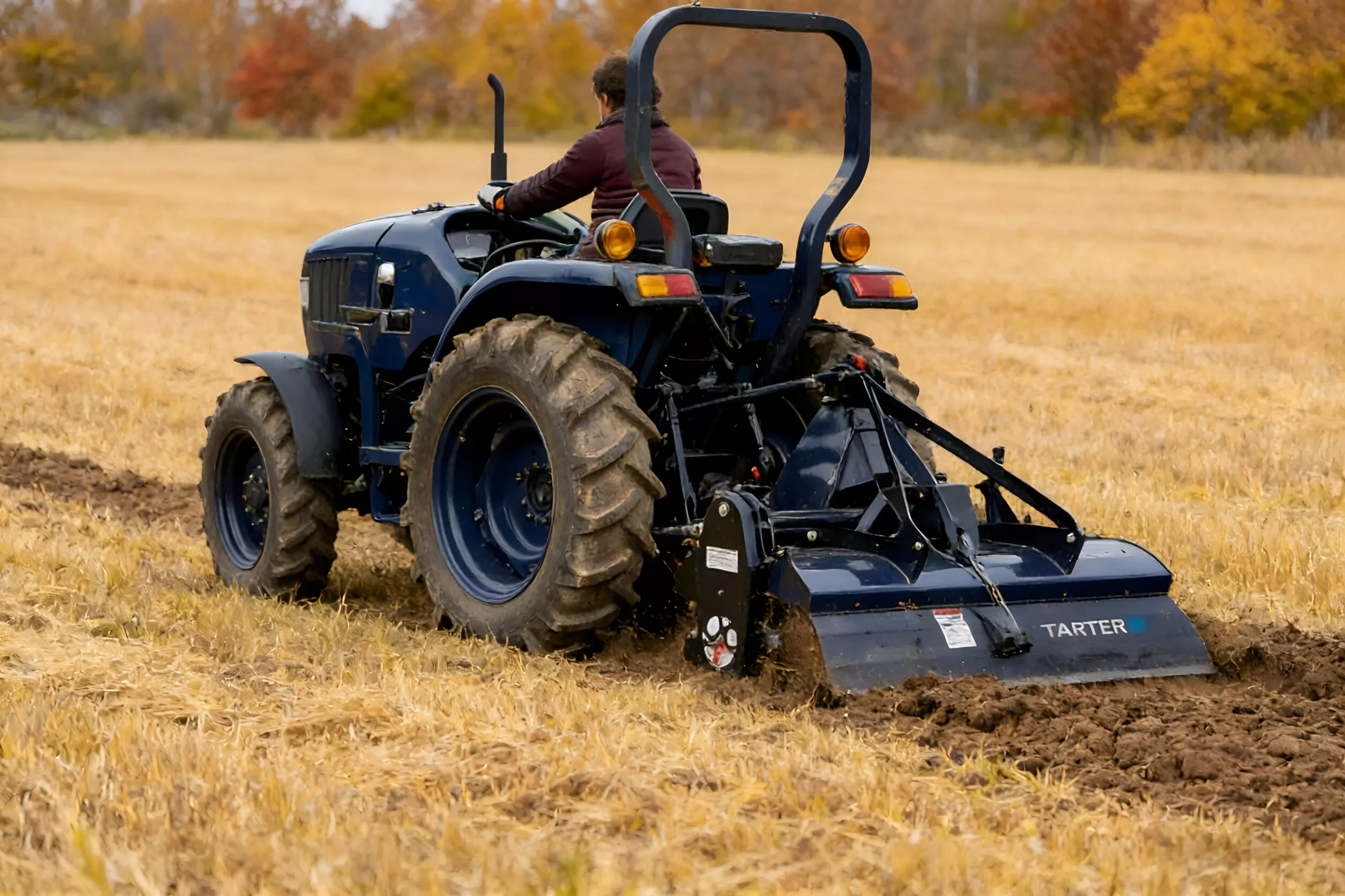
The Australian Operating Challenge
The active composting windrow reaches 55–70°C at its core during the peak thermophilic phase. Compost turners engage this material continuously, exposing the drive chain to sustained elevated temperatures that accelerate lubricant oxidation, reduce metal fatigue resistance, and increase the corrosion rate of steel in the acid-organic environment. High-temperature synthetic lubricants (rated to 150°C) are required for this application.
Decomposing organic waste produces volatile fatty acids, humic acids, and ammonium compounds throughout the composting cycle. These chemicals attack bare steel chain aggressively. Phosphate-treated or zinc-nickel plated carbon steel chain, or stainless steel for the most exposed positions, is the minimum corrosion specification for commercial compost turning operations.
A compost turner driving through a dense green waste windrow — particularly freshly mixed material with heavy wood chip content — encounters loads comparable to a soil tillage machine. The turning drum drive and travel drive chains must handle these peak loads while already operating at elevated temperature, which reduces steel fatigue resistance. SP-series reinforced chain is the appropriate specification for drum drive positions.
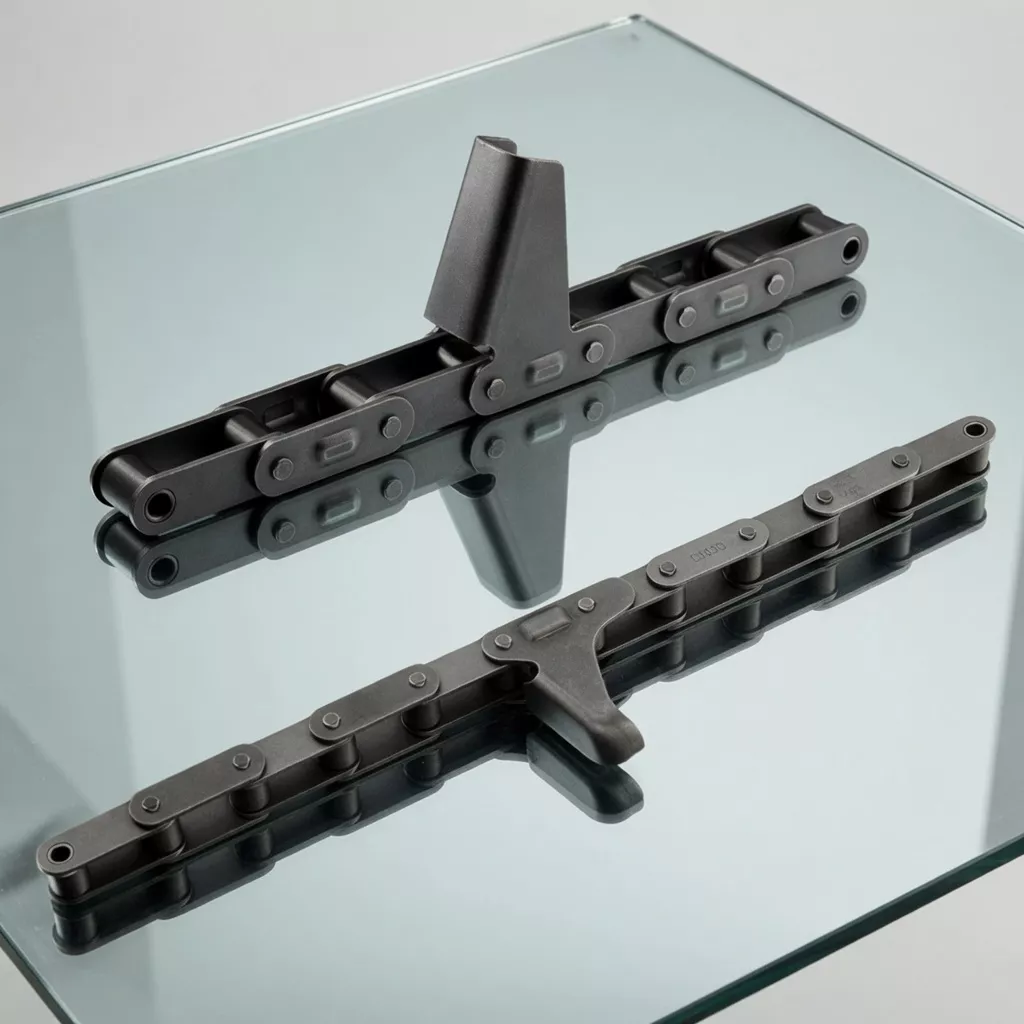
Chain Specification Reference
| Position | Chain Type | Material Treatment | Lubricant | Replacement Trigger |
|---|---|---|---|---|
| Drum drive — main rotation | ANSI 100 SP or ANSI 120 SP | Phosphate + synthetic lubricant | Synthetic EP 150°C rated | 1.5% elongation or side plate surface cracking |
| Travel drive chain | ANSI 80 SP double-strand | Phosphate treated | Synthetic EP | 2.0% elongation |
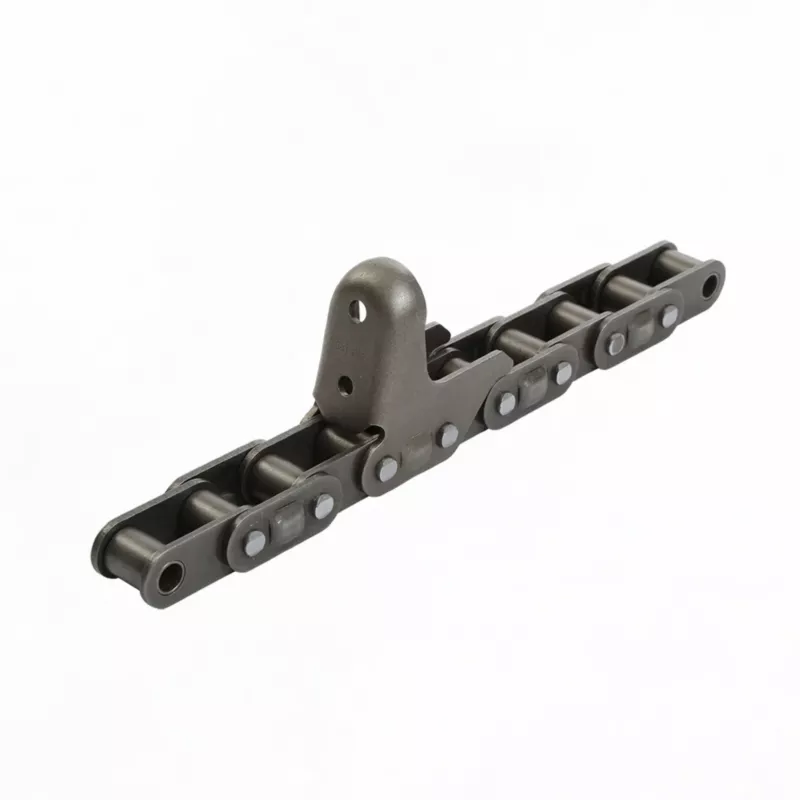
| Conveyor / windrow deflector | CA-type with attachments | Phosphate or 304 SS | Synthetic grease | 2.0% elongation |
| Auxiliary drives | ANSI 60 single-strand | Phosphate treated | Synthetic EP | 2.0% elongation |
❓ Frequently Asked Questions
Explore Related Drive Components
Slasher, mower, tiller and custom-ratio gearboxes that drive the chain systems inside PTO-powered implements.
Explore Gearboxes →
⚡ PTO Shafts & Drivelines
Matched drivelines from T1 to T8 rating that feed the chain input sprocket on every PTO-driven machine we serve.
Explore Drivelines →
Specify the right chain for your machine
Tell us your application, operating environment, and machine model. We will recommend the exact chain and supply it with full material certification.