PTO Shaft for Straw Chopper & Straw Shredder — High-Impact Drive for Crop Residue Management
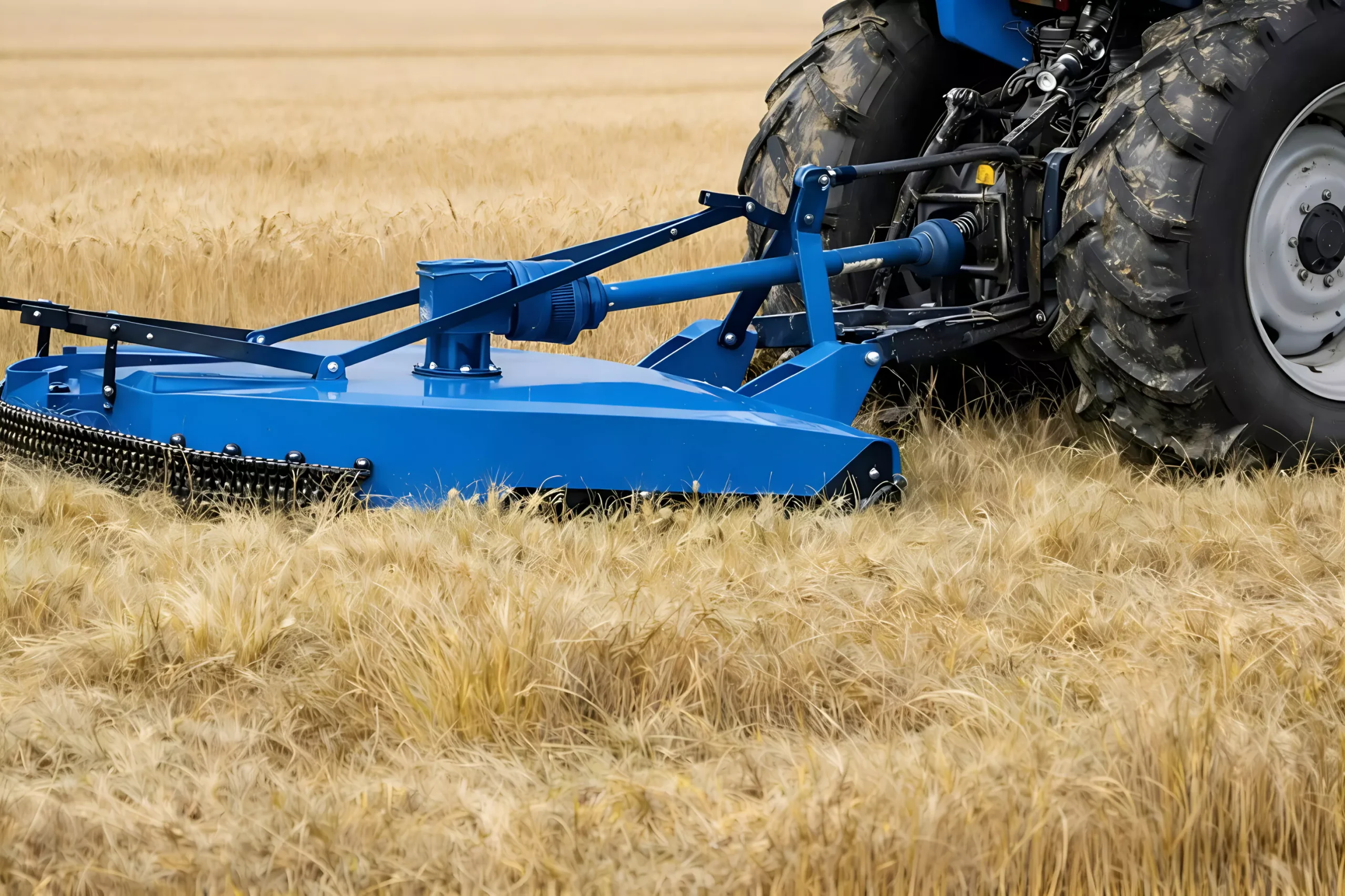
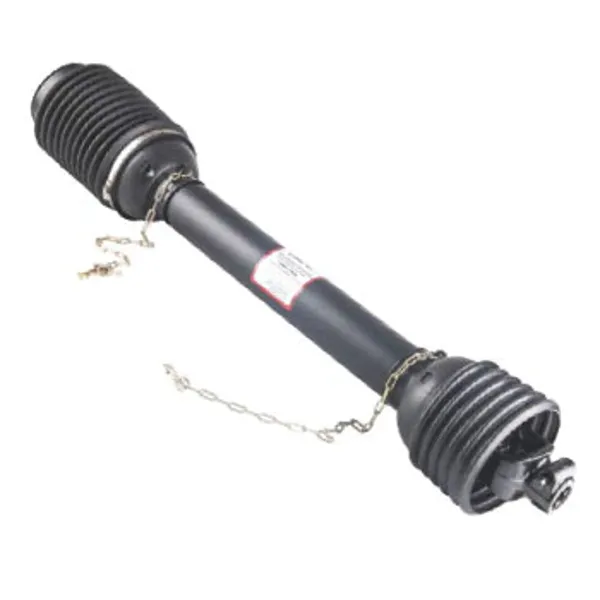
The straw chopper PTO shaft — also called a straw shredder driveshaft, residue mulcher cardan shaft, crop residue chopper PTO driveline, or straw mulcher drive shaft — transmits tractor power to the high-speed rotor of a straw chopper or shredder used to incorporate standing or windrowed cereal, legume, or maize residues after harvest. Straw chopping and shredding is a cornerstone of modern Australian residue management: reducing straw volume for tillage, managing slugs and disease inoculum, improving subsequent sowing operations, and cycling nutrients back into the soil.
Straw choppers impose one of the most demanding shaft load profiles in broadacre agriculture: high-speed hammers or blades (rotor tip speeds of 60–100 m/s) engaging dense, abrasive, dust-laden straw at maximum throughput, with frequent stone, soil lump, and buried-object impact events that generate impulsive torques 3–6× the steady-state running load. The combination of high rotational speed, high inertia, sustained throughput, and regular shock events makes straw chopper shaft specification a critical engineering decision — not an afterthought. Our straw chopper PTO shaft (Series 6/7) is engineered for this demanding profile with cam torque limiter protection, IP55 dust-sealed cross-kits, and heavy-wall guard construction to resist the hail of debris around a running chopper.
Explore our full crop residue management PTO shaft range or contact us for straw chopper driveline specifications.
Technical Specifications — PTO Shaft for Straw Chopper / Straw Shredder
| Parameter | Standard Value | Customisable Range |
|---|---|---|
| Series | Series 6 / Series 7 | Series 5–8 |
| PTO Speed | 540 RPM | 540 / 1000 RPM |
| Power Rating | 65–130 kW | 40–180 kW |
| Continuous Torque | 1,900 N·m | 900–3,500 N·m |
| Peak Torque (stone/soil impact) | 3,800 N·m (2×) | 1,800–7,000 N·m |
| Rotor Tip Speed (machine param) | 60–100 m/s | Machine dependent |
| Compressed Length | 680–920 mm | 500–1,700 mm |
| Extended Length | 1,040–1,500 mm | 740–2,500 mm |
| Tube Profile | Hexagonal / Rectangular | Hex / Rect |
| Cross-Joint Size | S7 (106×27) / S8 (120×39) | S6–S8 |
| CV Joint | Both ends ±40° | ±35° to ±50° |
| Input Spline | 1-3/4″ × 20 spline | 1-3/4″×20 / 1-3/4″×6 |
| Output Spline | Machine-specific | Custom per chopper gearbox |
| Overload Protection | Cam torque limiter (zero-slip) | Cam — mandatory |
| Cam Slip Torque | 2,800–4,500 N·m | 1,200–7,000 N·m |
| Guard Type | Heavy full-cone PE 6 mm wall | 6 mm minimum |
| Guard Debris Rating | Impact-resistant PE | Standard / Impact-resistant |
| Sealed Cross-Kits | IP55 straw-dust-sealed | IP55 / IP67 |
| Grease Spec | NLGI #2 Moly EP | Moly EP mandatory |
| Grease Interval | Every 6–8 hours operation | 6–8 hrs |
| Surface Finish | Zinc phosphate + 2-part epoxy | Epoxy / PU |
| Yoke Material | Forged 42CrMo4 36–42 HRC | 42CrMo4 |
| Temp Range | -25 °C to +85 °C | -40 °C to +100 °C |
Working Principle & Structure of the Straw Chopper PTO Shaft
The PTO shaft delivers 540 RPM to the chopper’s step-up gearbox, which accelerates the hammer or blade rotor to 1,500–3,000 RPM depending on the design. At these speeds, the free-swinging hammers or fixed blades achieve tip velocities of 60–100 m/s — sufficient to shatter dry straw into 50–150 mm segments by impact rather than cutting. The high kinetic energy stored in the spinning rotor (a 1.8 m rotor at 2,000 RPM stores 200+ kJ) is the energy source for chopping — the PTO shaft’s role is to replenish this energy as it is consumed by the chopping work.
This high rotor inertia is both an asset (providing cutting momentum) and a risk: when a stone or dense soil lump enters the rotor, the inertia energy is partially transferred as a torque spike back through the gearbox to the PTO shaft. Our Series 6/7 cam torque limiter — positioned at the tractor-end yoke bell — snaps over in milliseconds when this spike exceeds the pre-set threshold, protecting the step-up gearbox (replacement cost AU$3,000–8,000) from the full inertia-release event. Between impact events, the cam provides zero-slip, full-torque drive — maintaining rotor speed and therefore chopping quality throughout the pass.
Core Advantages of Our PTO Shaft for Straw Chopper / Straw Shredder
High-Inertia Cam Protection
Cam torque limiter response time (<5 ms) intercepts rotor inertia release events that a friction clutch (>50 ms response) cannot catch in time — the difference between a protected gearbox and a shattered housing.
42CrMo4 Yokes at 40 HRC
The highest-fatigue-resistant yoke alloy in standard agricultural shaft production — engineered for the sustained high-frequency impact signature of hammer-rotor straw choppers running at 2,000+ RPM.
️ 6 mm Impact-Resistant Guard
Straw choppers eject stones, soil clods, and straw bundles at high velocity — often onto the PTO shaft area. Our 6 mm impact-resistant PE wall guard withstands these projectile strikes that penetrate standard 3.5 mm guards within one season.
⬡ Hex Profile Maximum Torque Density
Hexagonal tube profile delivers the highest torque-per-cross-section of standard profiles — essential at 130 kW where every gram of tube weight contributes to rotational imbalance if the profile is over-sized.
IP55 Straw-Dust Cross-Kits
Straw dust particles (50–200 µm) infiltrate standard open cross-joint bearing cups in hours of operation. IP55 sealed kits maintain bearing integrity across a full post-harvest straw management season.
Australian Residue Management Focus
Engineered for Australian broadacre straw management: heavy wheat/canola straw in WA, tall sorghum/cotton residue in QLD, dense ryegrass straw in VIC — the full range of Australian post-harvest conditions.
Brand Compatibility & Cross-References
Direct drop-in replacement for OEM shafts on: Seppi, Mulchmaster, Berti, Orsi, Quivogne, Maschio, Alpego, Amazone. 12,000+ cross-references verified before dispatch.
⚠️ Brand names cited for parts-compatibility identification only. No commercial affiliation claimed.
Spare parts stocked: S3–S8 cross-kits (open / IP55 / IP67) · Cam spring sets · Friction disc sets · Impact-resistant PE guards · Retaining chains · Yoke collars · SAE flange adaptors
→ Browse all PTO shaft accessories
Compliance & Regional Demand
Standards & Regulations: Standards: ISO 5673-1:2014, EN 703 (residue management machinery), AS 4024.3601. WHS: straw choppers are projectile-risk machinery — exclusion zones of 50 m minimum during operation are industry best practice. GRDC guidelines for residue management in Australian grain farming: shaft performance directly affects residue incorporation quality. AS 4024.1201 (safeguarding categories) — straw choppers are Category 3+ risk due to projectile hazard.
Key Demand Regions: High-demand regions: WA Wheatbelt (post-wheat/canola residue), Eyre Peninsula SA, Wimmera/Mallee VIC, Darling Downs QLD (post-cotton/sorghum), Riverina NSW, Central West NSW.
CE Declaration, ISO material certs, and dimensional inspection reports supplied. GST-inclusive AUD invoicing.
Quick Selection Guide
| Parameter | How to Determine | Guidance |
|---|---|---|
| Chopper working width | 1.5–5.0 m | Wider = more rotor = more torque demand; Series 6 for 3+ m |
| Machine rated HP | From chopper spec plate | Never undersize — stone impact events occur without warning |
| Rotor type | Hammer / Fixed blade / Y-blade | All types: cam limiter mandatory |
| Straw density/type | Wheat / Canola / Sorghum / Cotton | Dense sorghum/cotton: Series 7; cereal straw: Series 6 |
| Stone risk | Low / Medium / High | High stone risk (WA ironstone, SA): maximum cam setting; pre-clear paddock |
| PTO speed | 540 RPM standard (confirm 1000 RPM option) | Confirm on chopper gearbox plate |
Installation Guide
- [Safety — projectile exclusion zone] Engine off, handbrake. 50 m exclusion zone must be established around the chopper before any PTO engagement — brief ALL bystanders before starting.
- [Hitch and measure] Hitch chopper to tractor; position at field-entry geometry; measure shaft gap at working height.
- [Tractor connection] Apply Moly anti-seize to 1-3/4″×20 PTO splines; install tractor CV yoke; engage pin.
- [Machine connection] Install machine CV yoke onto chopper gearbox input; torque collar to 40–44 N·m.
- [Travel check] Verify shaft through full lift range; no bottom-out at headland height.
- [Guard — chain mandatory] Fit 6 mm impact-resistant PE guard; both chains — cam bell end MUST be chained, not strapped.
- [Controlled startup] Engage PTO at idle; allow rotor to reach full speed (30 sec) before entering straw.
- [Session service] Grease every 6–8 hours; inspect cam housing for debris after each session; replace any visibly damaged guard immediately.

️ Troubleshooting
⚠️ Cam clutch over-cycling every few metres
Root Cause: Stone frequency extremely high; cam set too low
Fix: Pre-roll or pick stones; increase cam spring tension in 1/4-turn increments; confirm paddock is safe to chop
⚠️ Rotor speed dropping in dense straw
Root Cause: Engine lugging; PTO shaft clutch partially slipping
Fix: Reduce forward speed; check engine HP; verify cam is locked — not partially slipping
⚠️ IP55 seal failure in high-dust environment
Root Cause: Extremely fine straw dust overcoming IP55 face seal
Fix: Upgrade to IP67 cross-kits; grease every 6 hours; consider shaft dust deflector brackets
⚠️ 6 mm guard penetrated by stone ejection
Root Cause: Unusually large stone or soil lump ejected at high velocity
Fix: Pre-clear largest stones; fit additional stone deflector on chopper hood; replace guard — do not operate with compromised guard
⚠️ Hex tube binding after dusty season storage
Root Cause: Straw dust and chaff packing in profile bore; cementation over storage
Fix: Flush with WD-40; work profile through full range; regrease with Moly EP grease; fit rubber wiper seal for next season
Australian Case Studies
Merredin, WA
Post-wheat residue management — Berti BM/R 2.5 m chopper
“”Ironstone country — stone events are daily. Your Series 7 cam limiter has saved our gearbox 8 times this season. The previous friction-clutch shaft allowed 3 gearbox failures in 2 seasons. Total performance improvement.””
Moree, NSW
Post-cotton residue — Orsi GS 3000 chopper, dense stalks
“”Cotton stalks are the toughest chopping application. Series 7 with highest cam setting. Running 3 seasons without a cross-kit replacement on the IP55 sealed kits. The Moly grease recommendation makes a difference.””
Wudinna, SA
Canola stubble — Maschio BM 240 front-mounted chopper
“”Canola straw is extremely abrasive. The 6 mm guard is now on its 4th season without penetration. Previous 3.5 mm guards needed annual replacement from stone impacts.””
Dalby, QLD
Post-sorghum residue — wide-spread chopper, 4 m working width
“”4 m chopper needs Series 7. Your shaft handles the combined rotor mass and sorghum resistance without the cam over-cycling that plagued our previous Series 6 setup.””
Narrogin, WA
Sheep/grain farm — annual cereal straw incorporation
“”The cam limiter eliminates the anxiety of running through stony paddocks. We engage, set the speed, and trust the cam to handle any stone events. Zero gearbox damage in 3 seasons.””
❓ Frequently Asked Questions
Why must a straw chopper always use a cam torque limiter rather than a friction clutch?
What straw type creates the most demanding shaft conditions?
What working width requires a Series 7 straw chopper shaft?
How do I set the cam torque limiter on my new straw chopper shaft?
Can I use a flail mower PTO shaft on my straw chopper?
Related Products
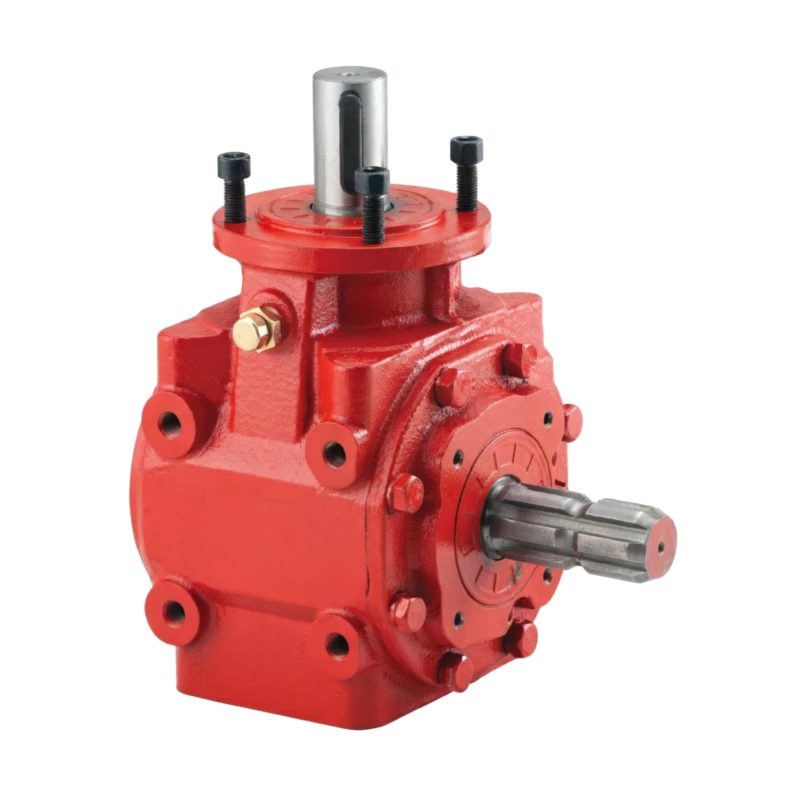
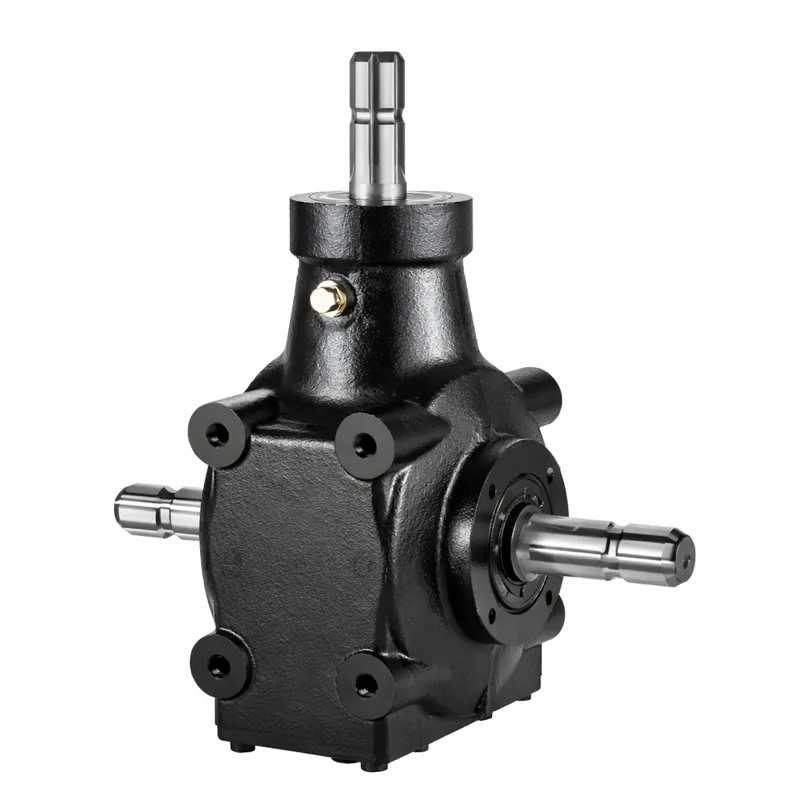
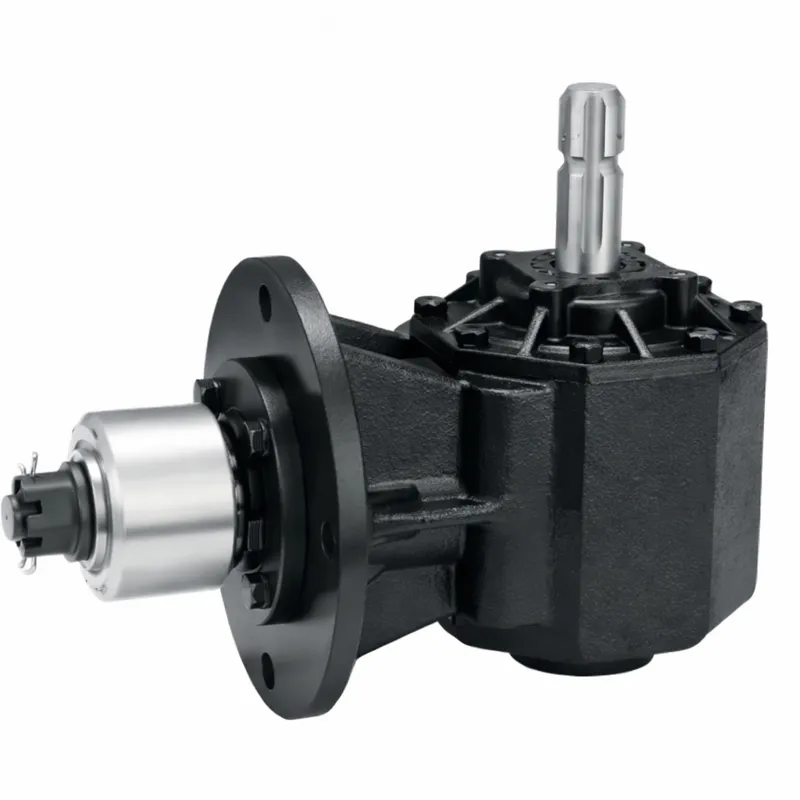
Our agricultural gearboxes are precision-matched to our shaft series for seamless drivetrain integration.
Agricultural Gearbox
Bevel, inline, and custom gearboxes matched to all PTO shaft series.
Cross-Kits & Clutch Parts
Full range from Series 2 to Series 8; IP55/IP67; cam spring sets; friction disc kits.
Impact-Resistant Guards
5–7 mm impact-resistant, UV-stable, low-profile, and chemical-resistant PE guard cones.
Partner with Us
Source Your PTO Shaft for Straw Chopper / Straw Shredder — Confirmed Fit, Same-Day Dispatch
- ✅ Cross-reference confirmed before dispatch — zero guesswork
- ✅ Custom lengths, splines, cam settings, guard types
- ✅ Volume and dealer pricing programmes
- ✅ Same-day dispatch on stocked items — express Australia-wide freight
- ✅ Full CE, ISO material cert, and dimensional inspection documentation