PTO Shaft for Potato Planter — Consistent Drive for Australia’s Premium Potato Crop
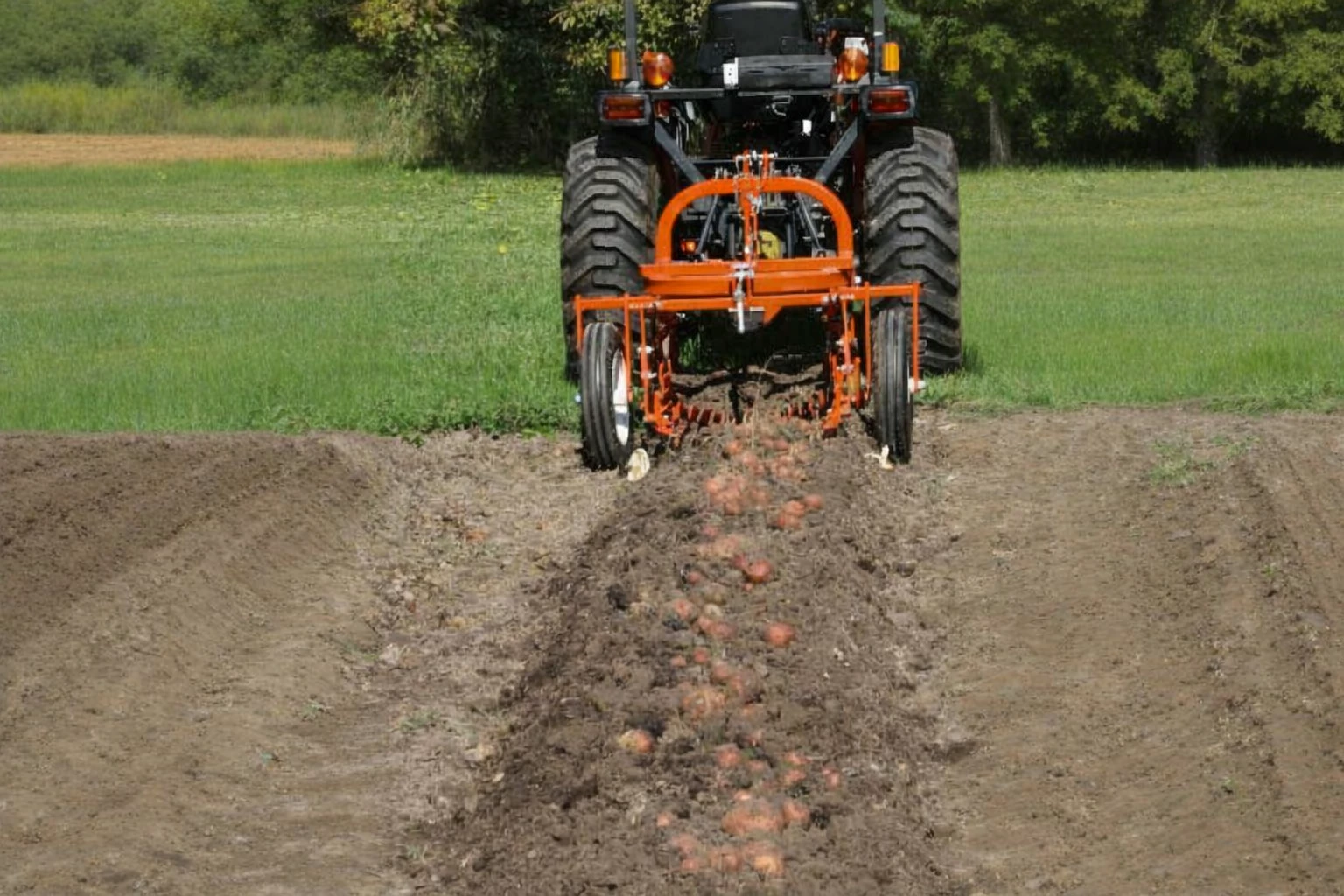
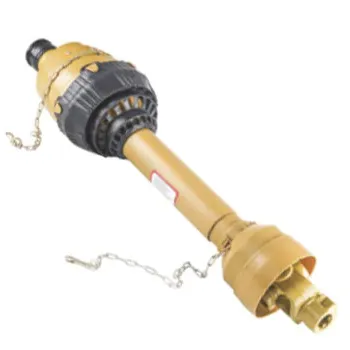
The potato planter PTO shaft — also called a seed potato planter driveline or potato planting machine cardan shaft — powers the bed-forming, seed-cup or belt-picking, and in-furrow fertiliser mechanisms of modern multi-row potato planters. Australia’s potato industry — centred on Tasmanian, Victorian, and South Australian irrigated production zones — operates planters ranging from single-row hand-guidance types to 6-row GPS-guided precision machines with individual row-unit downforce and population monitoring.
Potato planters impose a specific load signature: the seed cup or elevator belt runs at low, constant speed to ensure exactly one seed potato per cup/belt cell is deposited at precise, uniform spacing (typically 150–350 mm). Any speed variation in the PTO drive causes spacing irregularity that directly impacts yield uniformity and machine harvesting efficiency. Our potato planter PTO shaft (Series 4/5) is engineered for the smooth, consistent, moderate-torque drive profile these machines require, with corrosion-resistant construction to survive irrigated potato paddock conditions.
Browse our vegetable crop equipment PTO shafts or get in touch for potato planter shaft configuration advice.
Technical Specifications — PTO Shaft for Potato Planter
| Parameter | Standard Value / Configuration | Customisable Range |
|---|---|---|
| Series | Series 4 / Series 5 | Series 3–6 |
| PTO Speed | 540 RPM | 540 RPM |
| Power Rating | Up to 55 kW | 15–90 kW |
| Continuous Torque | 750 N·m | 200–1,600 N·m |
| Compressed Length | 620–850 mm | 460–1,700 mm |
| Extended Length | 960–1,380 mm | 690–2,500 mm |
| Tube Profile | Triangular / Star | Tri / Star / Lemon |
| Universal Joint | CV joint at tractor end | CV / Cross-joint |
| CV Angle | ±30° per side | ±20° to ±45° |
| Input Spline (Tractor) | 1-3/8″ × 6 spline | 1-3/8″×6, 1-3/4″×20 |
| Output Spline (Machine) | 1-3/8″ × 6 spline | Custom bore available |
| Overload Protection | Friction clutch (adjustable) | Friction / Shear bolt |
| Slip Torque Setting | 550–900 N·m | 200–1,800 N·m |
| Guard | Full-cone PE | Full / Half cone PE |
| Corrosion Finish | Heavy zinc phosphate + grey enamel | Various |
| Grease Interval | Every 8 hours | 8–25 hrs |
| Sealed Bearings Option | Available (sealed cross-kits) | Open / Sealed options |
| Shaft Weight | 4.2 kg | 2.0–10.0 kg |
| Yoke Material | Forged 20CrMnTi / 40Cr | 20CrMnTi / 40Cr |
| Temp Range | -15 °C to +50 °C | -30 °C to +65 °C |
Working Principle of the Potato Planter PTO Shaft
In most multi-row potato planters, the PTO shaft drives a central gearbox that in turn powers two separate functions simultaneously: (1) the seed cup elevator/belt that picks individual seed potatoes from the hopper and deposits them at a set spacing; and (2) the main hydraulic pump (on machines with hydraulic row-unit functions). The seed cup mechanism speed is set relative to forward travel speed by an adjustable gear ratio in the central gearbox — the PTO shaft itself simply supplies a consistent 540 RPM input which the gearbox then ratios internally to achieve the target seed spacing.
Because seed potato tubers vary significantly in size (30–100 mm) and shape, missed cups or double-picks are common without a well-tuned drive. A vibrating PTO shaft causes the seed elevator/belt to oscillate slightly in speed, increasing the probability of mis-picks. Our friction clutch ensures clean PTO engagement without shock-loading the elevator mechanism, and the balanced CV joint drive maintains consistent shaft speed under the varied angles created by row-to-row depth control on ridged potato beds.
Core Advantages of Our PTO Shaft for Potato Planter
Potato-Planting Speed Profile
Smooth constant-speed drive profile maintains seed cup pick rate and spacing consistency — directly reducing miss and double-pick rates that impact yield and harvesting efficiency.
Irrigation Environment Corrosion Resistance
Heavy zinc phosphate base coat and grey enamel topcoat provide multi-season protection in continuously irrigated potato paddock conditions.
Field-Adjustable Friction Clutch
Fine-pitch adjustment ring allows field calibration of slip torque to match exactly the planter’s main gearbox input rating — no over-protection (which adds startup shock) or under-protection (which allows overload).
⭐ Sealed Cross-Kit Upgrade Option
Sealed cross-kits available for wet-season or overhead-irrigated paddock operations — eliminates the water ingress failure mode common in irrigated potato country.
Potato Bed Geometry CV Joint
±30° CV joint accommodates potato ridge heights of 200–300 mm that create significant shaft angles between tractor PTO stub and planter frame input height.
Same-Day Dispatch (Stocked Sizes)
Core potato planter shaft configurations held in stock for Australia-wide dispatch — critical during the narrow spring planting window in Victoria and Tasmania.
Brand Compatibility, Spare Parts & Cross-References
Our pto shaft for potato planter is engineered as a direct drop-in replacement for shafts supplied as original equipment on the following brands: Grimme, Miedema (AVR), Standen, Baselier, Simon, Wolf, Pearson. We maintain a live cross-reference database of over 12,000 entries to confirm fit before dispatch.
⚠️ Disclaimer: Brand names are referenced for parts identification only and do not imply commercial endorsement or affiliation.
Spare parts available separately: Cross-kits (standard & sealed) · Locking yoke collars · Friction disc sets · Shear bolt kits · Guard sets · Replacement cones · Grease nipples · Bearing cups
→ Browse all PTO shaft spare parts and accessories
Regulations, Compliance & Regional Demand
Applicable Standards: Standards: ISO 5673-1:2014, EN 13524 (self-propelled machinery — not directly applicable but referenced for guidance on soil-working machinery). AS 4024.3601. WorkSafe Tasmania: specific regulations for agricultural machinery guarding apply. Primary Industries and Regions SA (PIRSA) and Agriculture Victoria extension services provide guidance on optimising plant populations — directly influenced by PTO shaft reliability.
Key Australian Demand Regions: Major demand regions: Tasmania (Midlands, NW Coast, Derwent Valley), western VIC (Ballarat-Camperdown), SA Riverland, WA Swan Valley, NSW Oberon.
Our products are shipped from bonded warehouse with full compliance documentation including: CE Declaration of Conformity (where applicable), ISO material certifications, dimensional inspection reports, and surface treatment test data. All products are invoiced in AUD with Australian GST where applicable.
Quick Selection Guide — PTO Shaft for Potato Planter
| Selection Parameter | How to Determine | Guidance |
|---|---|---|
| Number of rows | 2–6 rows standard | More rows = higher combined seed cup and hydraulic drive demand |
| Planter type | Cup elevator / Belt / Precision disc | All use PTO but cup elevators most common in Australia |
| Machine power rating | From spec plate | Series 4 (<35 kW); Series 5 (35–55 kW) |
| Ridge height | 200–350 mm typical | Higher ridge = more shaft angle — ensure CV joint rated adequately |
| Irrigation environment? | Yes / No | Yes: specify sealed cross-kit upgrade |
| Tractor PTO spline | Count splines | Most Australian tractors are 1-3/8″×6 at 40–80 HP |
Step-by-Step Installation Guide — PTO Shaft for Potato Planter
- [Safety] Engine off. PTO disengaged. Handbrake set.
- [Mount] Mount planter on 3PL; lower to planting depth on a prepared ridge.
- [Measure] Measure PTO-to-planter-input distance at work position; confirm shaft compressed length.
- [Tractor yoke] Install CV yoke on tractor PTO stub; push until locking pin clicks.
- [Machine yoke] Install machine yoke onto planter central gearbox input; tighten collar to 28 N·m.
- [Travel check] Check clearance through full 3PL travel range — especially at maximum headland height.
- [Guard] Fit full-cone guard; secure both anchor chains.
- [Calibration run] Engage PTO at idle; check seed cup drive rotation; confirm spacing in calibration tray at target seed rate before field operation.

️ PTO Shaft Troubleshooting — Common Issues & Solutions
⚠️ Seed spacing irregular within rows
Root Cause: PTO shaft speed variation from worn CV bearing or vibration
Fix: Replace CV cross-kit; check tube profile condition; rebalance if vibration persists
⚠️ Elevator belt skipping / jumping
Root Cause: Startup shock from hard PTO engagement; friction clutch too tight
Fix: Engage PTO gradually at low throttle; reduce friction clutch preload by 1/4 turn
⚠️ Shaft angle causing CV binding at maximum ridge height
Root Cause: Ridge height too high for CV angle rating; hitch top-link too long
Fix: Shorten top-link; raise planter frame mounting point; verify shaft angle < 30°
⚠️ Corrosion on tube profile after first irrigation season
Root Cause: No grease in profile during storage; daily water contact
Fix: Reapply EP2 grease to full tube profile; consider sealed profile upgrade for irrigated operations
⚠️ Guard fogging / cracking in UV in second season
Root Cause: Standard PE guard without UV stabiliser
Fix: Replace with UV-stabilised PE guard; store guards inside shed during off-season
Engineer’s Field Notes — Australian Case Studies
Scottsdale, TAS
Crisps potato grower — 4-row Grimme GL 34 planter
“”The Series 5 shaft with sealed cross-kits was the right choice for our irrigated paddocks. Two full seasons, no corrosion on any bearing surface. Population maps are consistent.””
Camperdown, VIC
Fresh market potato — 2-row Miedema CP 42
“”The ±30° CV joint handles our high bed ridges perfectly. Previous shaft bound at planter frame height on headland lifts — this one doesn’t.””
Boyup Brook, WA
Processing potato — Standen Senator planter
“”Custom shaft length — non-standard hitch geometry. Arrived in 6 working days, correct spec, no fitting issues. Very professional.””
Oberon, NSW
Table potato — GPS-guided 4-row planter
“”Speed consistency improved significantly with this shaft. Our planting monitor showed more even seed spacing compared to the worn OEM shaft.””
Smithton, TAS
Seed potato production — high-compliance planting
“”Seed certification requires documented equipment maintenance. Your shaft comes with material cert and dimensional inspection report — exactly what our certifier needs.””
❓ Frequently Asked Questions
What PTO speed do potato planters operate at?
My potato planter has a very high ridge height — will a standard CV joint work?
How does PTO shaft quality affect potato plant population accuracy?
Should I use a sealed or open cross-joint for my potato planter in an irrigated paddock?
Can I use a potato planter PTO shaft on my potato harvester?
Related Products — Agricultural Gearboxes & PTO Accessories
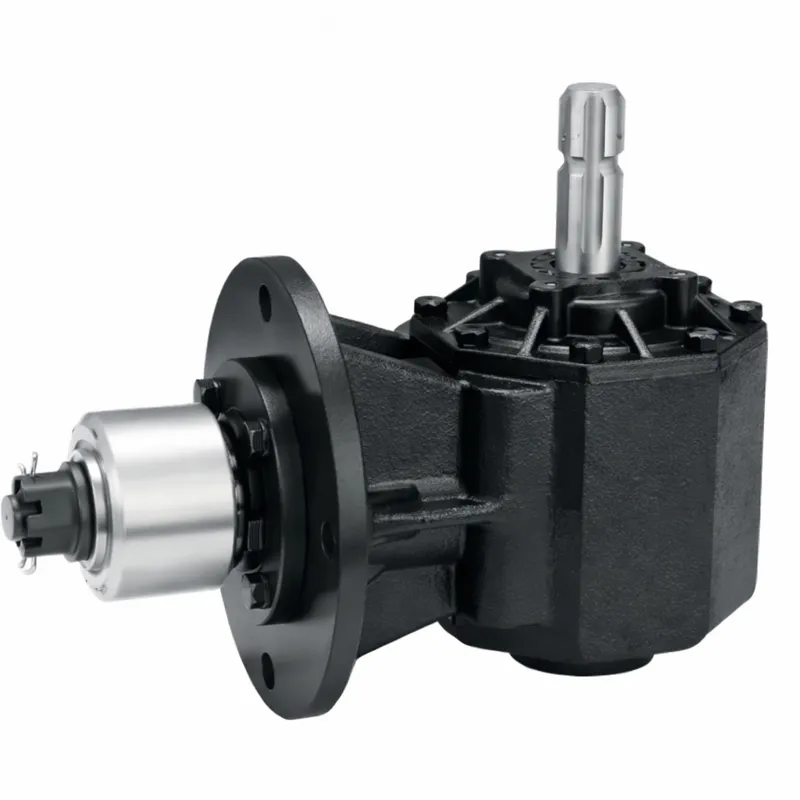
We manufacture the complete drivetrain ecosystem around PTO shafts. Our agricultural gearboxes are engineered to pair perfectly with our PTO shafts for reduced system vibration and matched torque ratings.
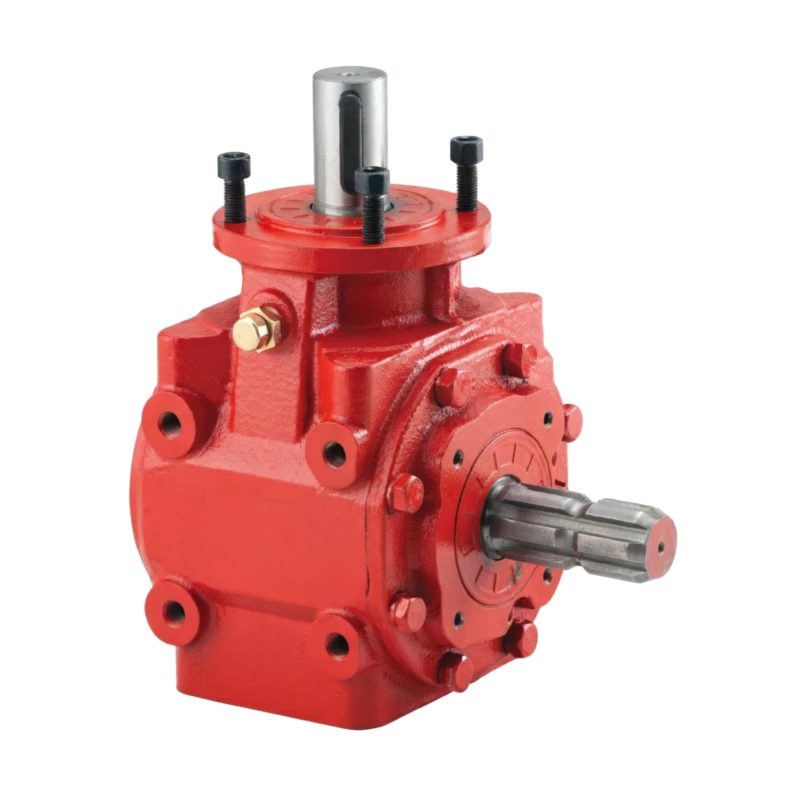
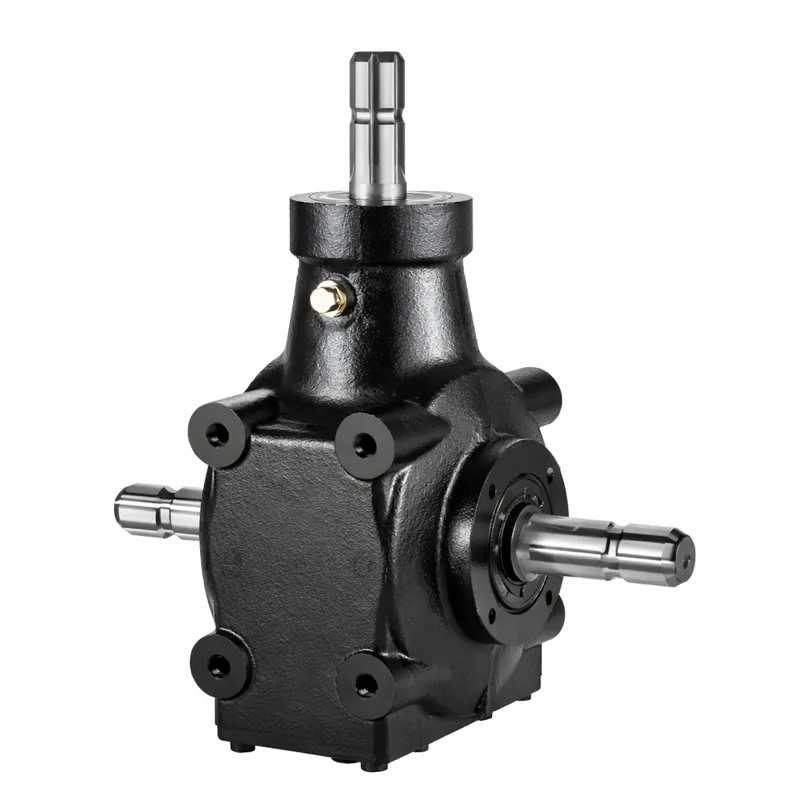
Agricultural PTO Gearbox
Right-angle, inline, and multi-output gearboxes for all drive configurations.
PTO Cross-Kit & Repair Sets
Full range of S3–S8 cross-kits, bearing cups, and yoke repair components.
PTO Safety Guards & Cones
Full-cone and half-cone PE guards, retaining chains, and strap kits.
Partner with Us — OEM, Wholesale & Direct Supply
Ready to Source a Reliable PTO Shaft for Potato Planter?
Whether you need a single replacement shaft or are sourcing for a dealer network or OEM production programme, our team is ready to help. We offer:
- ✅ Confirmed cross-reference before dispatch — zero guesswork
- ✅ Custom lengths, splines, and clutch settings to your specification
- ✅ Volume pricing for farm dealers, machinery importers, and OEMs
- ✅ Australia-wide express freight with same-day dispatch on stocked items
- ✅ Full compliance documentation (CE, ISO material certs, inspection reports)