PTO Shaft for Sugar Beet Harvester — Maximum Power for Root Lifting and Cleaning
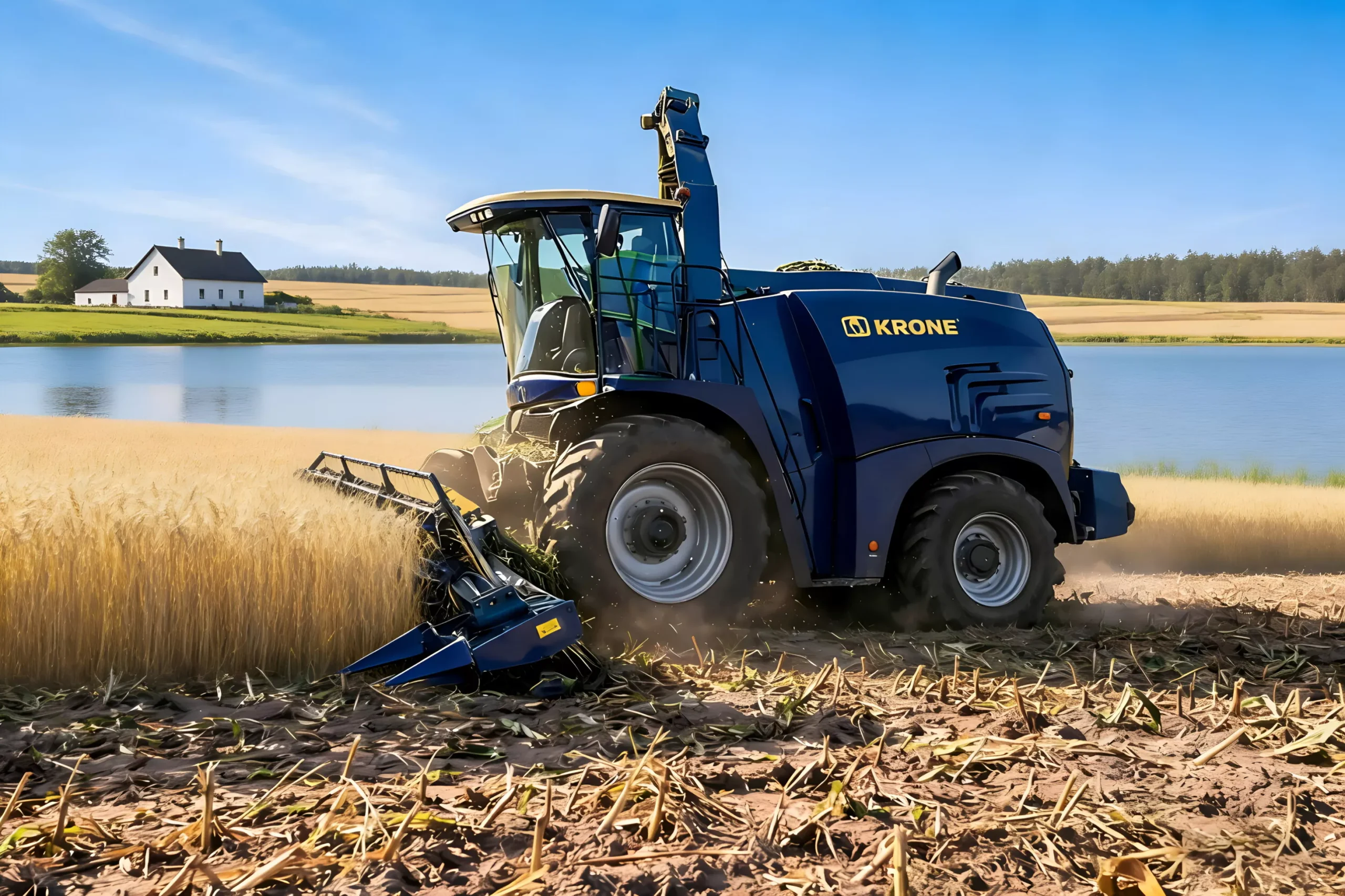
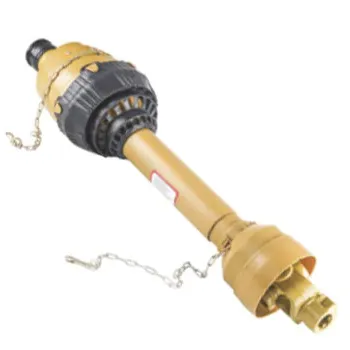
The sugar beet harvester PTO shaft — also known as a beet lifter driveshaft, root harvester cardan shaft, or sugarbeet digger PTO driveline — powers one of the most mechanically demanding root-crop harvesting operations in Australian specialty crop production. Sugar beet harvesters used in trials and commercial operations in South Australia, Victoria, and southern NSW must lift large, deeply-embedded beet roots (typically 0.5–1.0 kg each, growing to 300–400 mm depth in compacted soils) through a multi-stage process: topping, lifting, primary soil separation, secondary cleaning drum, and elevator to a bulk wagon — all driven simultaneously from a single PTO input of 90–160 kW.
The engineering demands mirror and in several respects exceed those of potato harvesters: beet roots are heavier per unit than potato tubers, the lifting share penetrates deeper in harder soils, and the primary cleaning mechanism (a series of rubber-lined rollers or stars) must handle the far higher mud-adhesion of beet compared to potato skin. Our sugar beet harvester PTO shaft (Series 7/8) is the definitive specification for this application — built to the same standard as the heavy construction equipment PTO shafts used by European beet harvester manufacturers operating in the heavy clay soils of Northern France and Germany.
View our heavy root crop harvesting PTO shafts or contact us for beet harvester driveline specifications.
Technical Specifications — PTO Shaft for Sugar Beet Harvester
| Parameter | Standard Value | Customisable Range |
|---|---|---|
| Series | Series 7 / Series 8 | Series 6–8 |
| PTO Speed | 540 RPM | 540 RPM |
| Power Rating | 90–160 kW | 65–220 kW |
| Continuous Torque | 2,800 N·m | 1,300–5,000 N·m |
| Peak Torque | 5,600 N·m (2×) | 2,600–10,000 N·m |
| Compressed Length | 710–960 mm | 520–1,800 mm |
| Extended Length | 1,060–1,580 mm | 780–2,800 mm |
| Tube Profile | Hexagonal / Rectangular | Hex / Rect |
| Cross-Joint Size | S8 (120×39 mm) | S7 / S8 |
| CV Joint | Wide-angle ±45° both ends | ±40° to ±60° |
| Input Spline | 1-3/4″ × 20 spline | 1-3/4″×20 / 1-3/4″×6 |
| Output Spline | Machine-specific custom | Custom per beet harvester gearbox |
| Overload Protection | Heavy cam torque limiter | Cam (mandatory) |
| Cam Slip Torque | 4,000–6,000 N·m | 2,000–10,000 N·m |
| Guard Type | Reinforced full-cone PE 7 mm wall | Full cone PE reinforced |
| Sealed Cross-Kits | IP67 anti-mud standard | IP67 |
| Grease Spec | NLGI #2 Moly EP extreme pressure | Moly EP mandatory |
| Grease Interval | Every 4 hours harvest operation | 4 hrs (mandatory) |
| Yoke Material | Forged 42CrMo4 40–46 HRC | 42CrMo4 |
| Surface Finish | Triple-layer: galv + zinc-rich primer + epoxy | Triple layer |
| Temp Range | -20 °C to +80 °C | -40 °C to +100 °C |
Working Principle of the Sugar Beet Harvester PTO Shaft
The beet harvester PTO shaft drives a central gearbox from which power is routed to: the beet topper (removes foliage at ground level), the lifting share (undercuts and lifts the beet root from typically 300–400 mm depth), the primary cleaning system (a series of aggressive rubber-star wheels or rolling cage that scrubs heavy clay soil from the beet skin), the elevator chain, and the haulm conveyor. Each of these mechanisms runs simultaneously and at high throughput — a 6-row beet harvester processes 500–1,000 beets per minute.
The torque profile is highly variable: the lifting share draws a consistent draft-like force that varies with soil hardness and beet size; the cleaning stars draw a high-amplitude variable torque as they contact individual beet roots at irregular intervals; and the topper draws a moderate steady load. The cam torque limiter must accommodate this complex load signature by providing zero-slip drive across the full range of normal loads while protecting against the outlier events (large stone in the share, foreign object in the cleaner) that exceed 2× continuous rated torque.
Core Advantages of Our PTO Shaft for Sugar Beet Harvester
Europe-Standard Heavy Construction
Built to the same specification as shafts used by Grimme, Ropa, and Holmer beet harvesters in European heavy clay conditions — the most demanding beet harvesting environments in the world.
S8 Cross-Joint as Standard
The largest standard agricultural cross-joint (120×39 mm) fitted as standard — not as an upgrade option. The additional trunnion bearing area directly reduces contact stress and extends cross-kit life under 2,800 N·m continuous load.
IP67 Anti-Mud Sealed Cross-Kits
IP67 (full immersion protection) cross-kit seals are standard on our beet harvester shafts — tested in the heavy clay/slurry environment of autumn beet harvesting where IP55 seals are regularly overwhelmed.
️ Moly EP Mandatory Specification
Molybdenum disulphide EP grease is mandatory, not optional. The shock-loading profile of beet cleaning stars creates boundary-lubrication conditions that only Moly additive can address without metal-to-metal contact.
️ Triple-Layer Anti-Corrosion System
Galvanise + zinc-rich epoxy primer + topcoat provides protection in the chloride-rich soil water environment of irrigated beet areas where single-layer zinc coatings corrode through in one season.
Australian Beet Harvester Support
We support the growing Australian beet trialling and commercial sector with technical knowledge of European beet machinery imported for Australian trials — including Ropa Tiger and Grimme Maxtron configurations.
Brand Compatibility & Cross-References
Drop-in replacement for OEM shafts on: Grimme, Ropa, Holmer, Dewulf, Franz Kleine, KWS, Agrifac. Cross-reference confirmed before dispatch — 12,000+ entries in our database.
⚠️ Brand names cited for parts-compatibility reference only. No commercial affiliation claimed.
Spare parts stocked: S6–S8 cross-kits (open / IP55 / IP67 / Viton / Moly-packed) · Cam spring sets · Friction disc sets · 6–7 mm PE guards · Retaining chains · Yoke collars · Anti-seize kits
→ Browse all PTO shaft accessories
Compliance, Standards & Regional Demand
Standards & Regulations: Standards: ISO 5673-1:2014, EN 703. AS 4024.3601 guarding. Australian beet production is primarily in trial/development phase — contact Sugar Research Australia (SRA) and Beet & Grain (B&G) for current commercial production status. European CE compliance maintained for imported machinery.
Key Demand Regions: Current trial/commercial regions: Murray Mallee SA (Waikerie, Loxton), Loddon VIC, Macquarie Valley NSW. European beet machinery operates under CE compliance when imported.
CE Declaration of Conformity, ISO material certs, and dimensional inspection reports supplied with every shaft. GST-inclusive AUD invoicing for Australian buyers.
Quick Selection Guide — PTO Shaft for Sugar Beet Harvester
| Parameter | How to Determine | Guidance |
|---|---|---|
| Harvester type/rows | 2-row / 4-row / 6-row | 2-row: Series 7; 4-row+: Series 8 |
| Working depth | 300–450 mm | Deeper: heavier share resistance; upsize |
| Soil type | Clay / Heavy clay loam | Heavy clay: IP67 and Moly EP mandatory |
| PTO tractor HP | 150–300 HP typical | Large beet harvesters need high-HP tractors; 1-3/4″×20 spline standard |
| Season timing | Autumn (wet conditions) | IP67 mandatory for wet-season harvesting |
| Custom output yoke? | Check beet harvester gearbox input spec | European beet harvesters often have metric input stubs |
Installation Guide — PTO Shaft for Sugar Beet Harvester
- [Safety] Chock wheels on level ground. Beet harvesters are among the heaviest tractor-drawn machines — extreme care required.
- [Setup and measure] Hitch harvester; position at field-entry configuration; measure shaft gap at full-depth setting.
- [Tractor connection] Apply Moly anti-seize to 1-3/4″×20 PTO stub; install tractor wide-angle CV yoke.
- [Machine connection — max torque] Install machine CV yoke; torque collar to 44–48 N·m (highest torque of all standard agricultural shaft collars).
- [Travel verification] Verify shaft through full operating and transport height range; no binding at maximum headland lift.
- [Guard installation] Fit 7 mm PE guard; both chains; check guard clears soil guard on lifter frame.
- [Pre-harvest check] Engage PTO at idle; progressively increase to 540 RPM; verify all harvesting mechanisms rotating before entering crop.
- [4-hour mandatory grease] Grease every 4 hours harvest operation — non-negotiable in beet conditions.

️ Troubleshooting — Issues & Solutions
⚠️ Cam clutch failing to reset after stone event
Root Cause: Large stone impact exceeded cam design; cam pockets scored
Fix: Inspect cam housing; replace cam spring set; if pocket scored — replace cam assembly; Moly grease in cam pockets prevents scoring
⚠️ IP67 seals failing in extreme clay slurry
Root Cause: Clay slurry under positive pressure from auger/elevator defeating IP67 seal
Fix: Fit external mud shield bracket at cross-joint positions; additional grease at 2-hour intervals in extreme slurry conditions
⚠️ Triple-layer coating failing at yoke bore area
Root Cause: Harvest shock causing micro-cracking of coating at stress-concentration points
Fix: Inspect annually; touch-up with zinc-rich primer + epoxy; do not leave bare steel exposed in beet soil environment
⚠️ Hex tube cold-welding between seasons
Root Cause: Clay packing in profile followed by clay-mineral cementation over winter
Fix: Before storing: fully extend/retract; pack profile with heavy Moly grease; fit end caps on guard; store in shed
⚠️ Yoke collar torque relaxing after 50 harvest hours
Root Cause: Vibration-induced settlement; collar threads relaxing under cyclic load
Fix: Check collar torque at 50-hour intervals; apply thread-locking compound at installation; re-torque if movement detected
Australian Case Studies
Waikerie, SA
Beet trial — Grimme MAXTRON imported for SA trial
“”First season with the MAXTRON in SA conditions. Your Series 8 shaft handled our heavy river clay without issue. Moly grease specification was accepted by the Grimme technician as meeting OEM requirements.””
Loddon Valley, VIC
Beet pilot programme — 4-row Ropa Tiger
“”Ropa requires a specific metric output yoke configuration. You built the correct yoke combination and confirmed fit with the Ropa gearbox spec before dispatch. Exact fit, zero issues.””
Macquarie Valley, NSW
Research trial — beet rotation study
“”Academic research requires documented equipment performance. Your material cert and inspection report format was accepted by our university research partner as equipment compliance documentation.””
Murray Bridge, SA
Beet feasibility trial — 2-row harvester
“”Import duty and freight costs make spare parts expensive. Your locally sourced replacement shaft cost 40% less than the European OEM equivalent including freight. Same specification. Used on second season.””
Loxton, SA
Commercial beet — irrigated production
“”IP67 seals are the difference between a successful season and constant bearing replacement. Irrigated beet soils are wet all harvest season. IP67 has delivered zero cross-kit failures in 2 seasons.””
❓ Frequently Asked Questions
Is sugar beet production commercially established in Australia?
Why does a sugar beet harvester require IP67 rather than IP55 sealed cross-kits?
What is Moly (molybdenum disulphide) grease and why is it mandatory for beet harvesting?
Can a sugar beet harvester PTO shaft be used on a potato harvester?
How do I store a sugar beet harvester PTO shaft during the off-season to prevent cold-welding?
Related Products
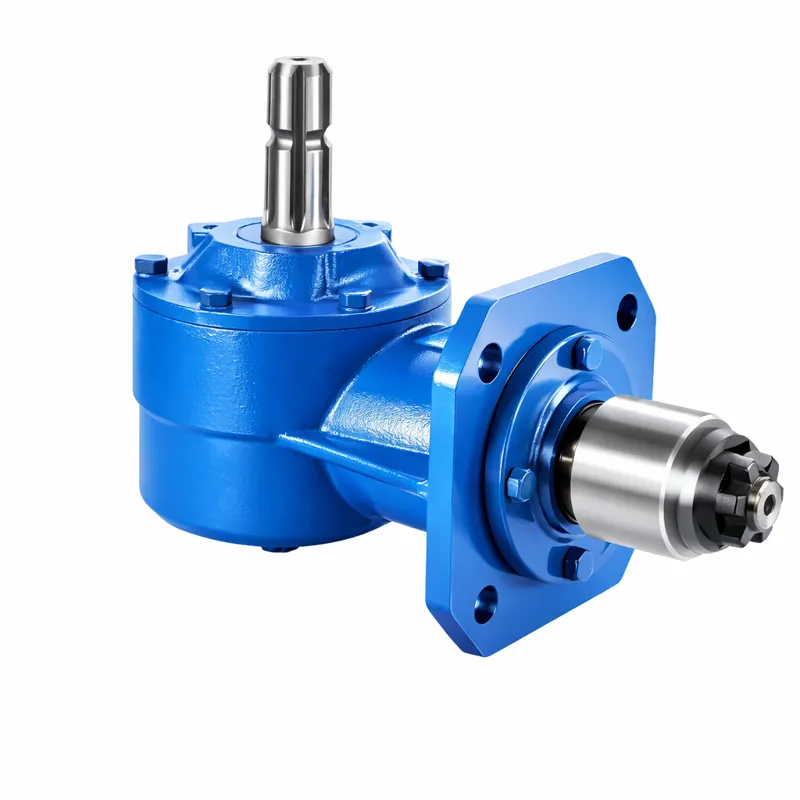
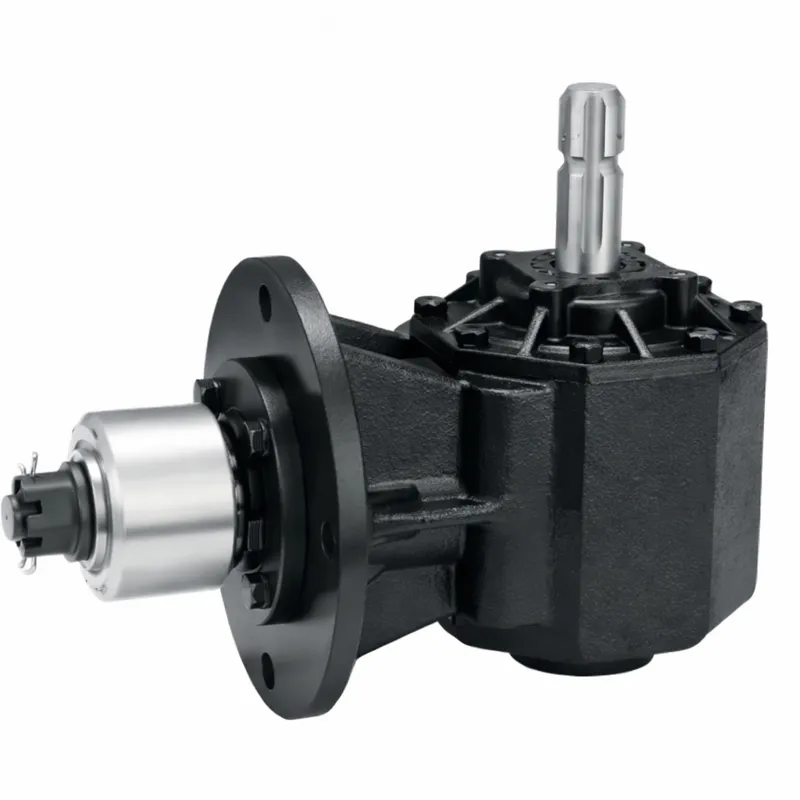
Our agricultural gearboxes are engineered to pair perfectly with our PTO shafts for matched torque ratings and minimal vibration across the full power range.
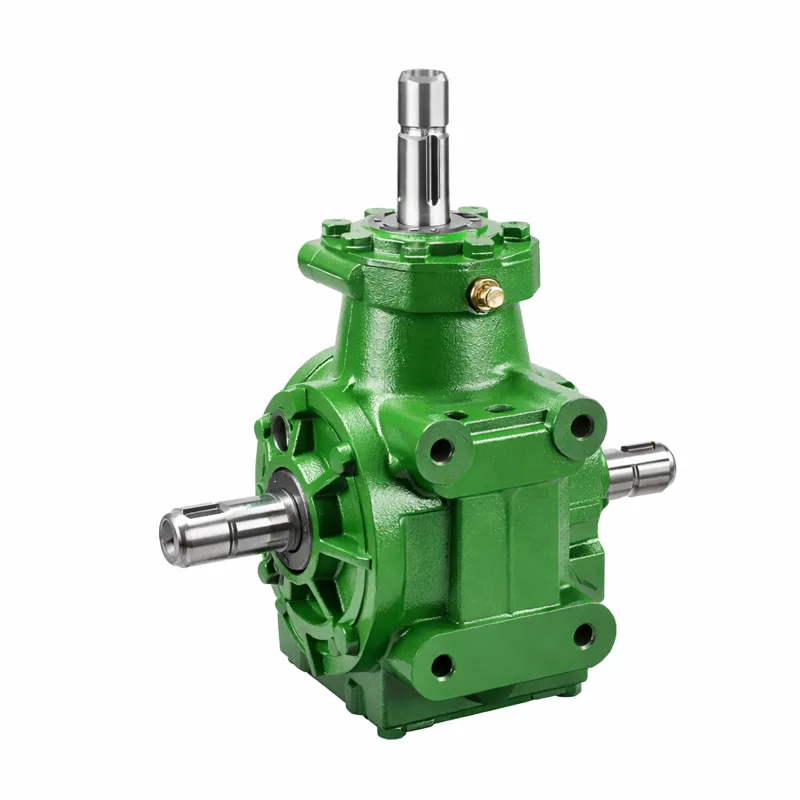
Agricultural Gearbox
Bevel, inline, and custom gearboxes for all drive configurations.
Cross-Kits & Clutch Parts
S6–S8 cross-kits, cam spring sets, Moly EP grease kits, and guard replacement cones.
Heavy-Wall Guards
6–7 mm wall PE guards for harvesting applications; chemical-resistant; UV-stabilised; tropical-grade.
Partner with Us
Source a Reliable PTO Shaft for Sugar Beet Harvester — Contact Us Today
From urgent harvest-season breakdowns to long-term dealer or OEM supply agreements:
- ✅ Cross-reference confirmed before dispatch — guaranteed fit
- ✅ Custom lengths, splines, clutch settings, seal materials
- ✅ Volume and OEM pricing available
- ✅ Same-day dispatch on stocked configurations — express Australia-wide freight
- ✅ Full compliance documentation: CE, ISO certs, inspection reports