🚜 Agricultural Chains for Combine Harvesters: Drive Engineering for Australian Grain Season
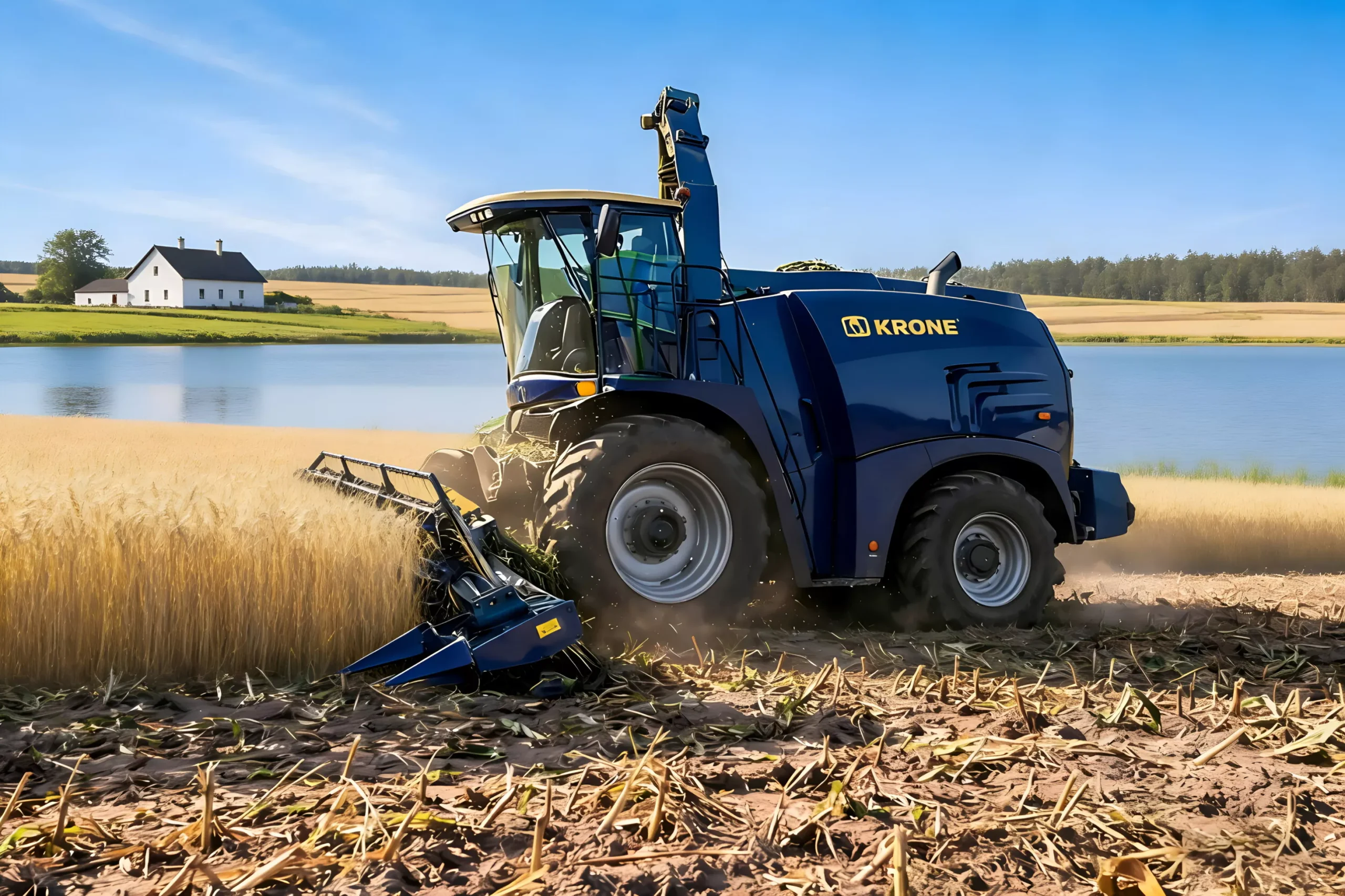
The combine harvester is the most mechanically complex machine on any Australian grain farm, and its chain drives are the components that run hardest for longest without stopping. From the feeder house conveyor dragging freshly-cut crop into the threshing cylinder, to the grain elevator lifting clean grain into the tank overhead, every chain position on a modern combine must survive extreme dust loading, sustained high-speed running, and the shock loads that follow every slug of dense wet canola or thick-strawed wheat.
Getting chain specification right for combine harvesters is not a procurement decision — it is an engineering decision. The wrong chain type, the wrong steel grade, or the wrong duty class leads to premature elongation, fatigue cracking, and in-field failure at exactly the moment the machine needs to be running at full capacity. This guide covers chain types, positions, specifications, and maintenance practices specific to Australian combine harvester operations.
⚙️ Chain Drive Positions on a Modern Combine Harvester
A modern combine harvester runs six to eight separate chain drives simultaneously. Each position has a distinct load profile, speed, and exposure to abrasive material. Matching the chain specification to the position — rather than using a generic replacement — is the single most important decision in combine chain management.
🚜 Feeder House Conveyor Chain
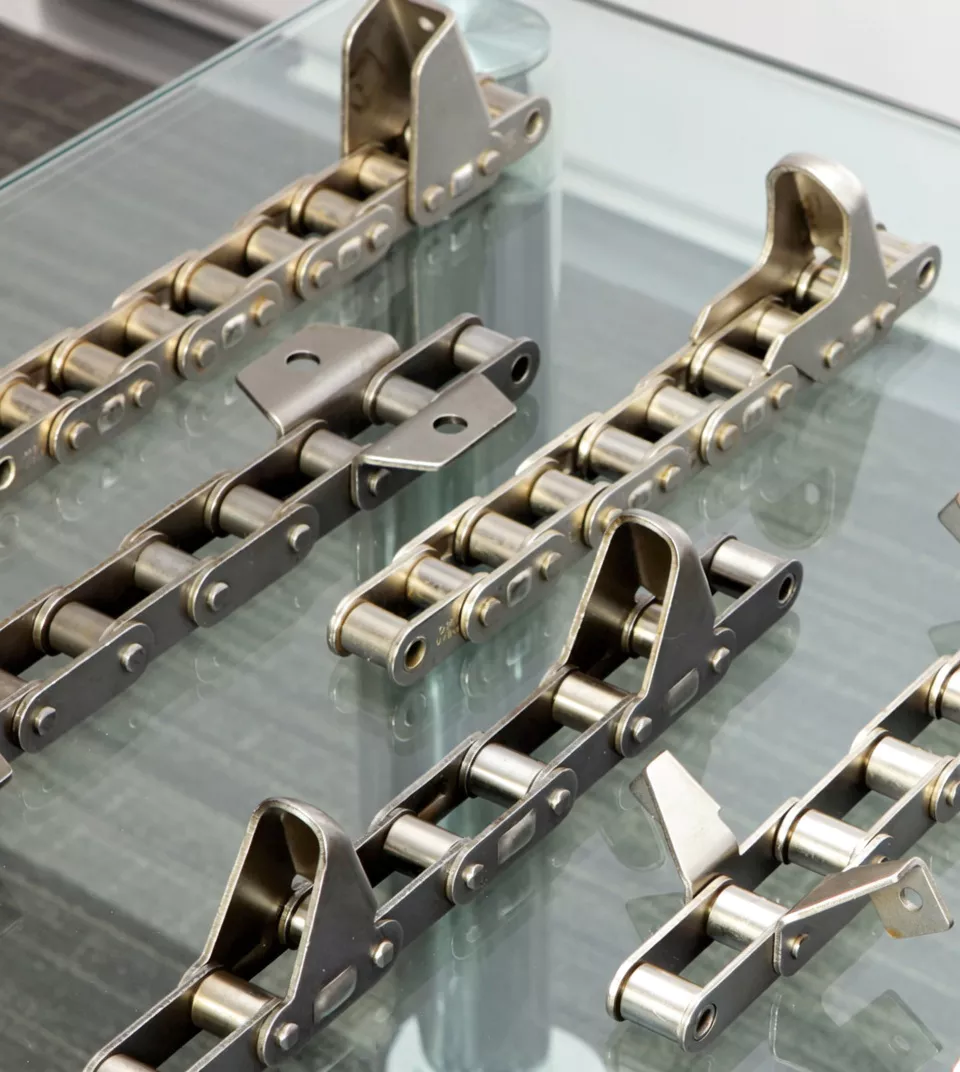
The highest-load chain on the machine. Drags the full crop mat from the header into the threshing cylinder at continuous rated load, through the heaviest dust concentration on the machine. S-type chain (S42, S52, S55, S62) is the engineering standard for this position.
🌾 Clean Grain Elevator Chain
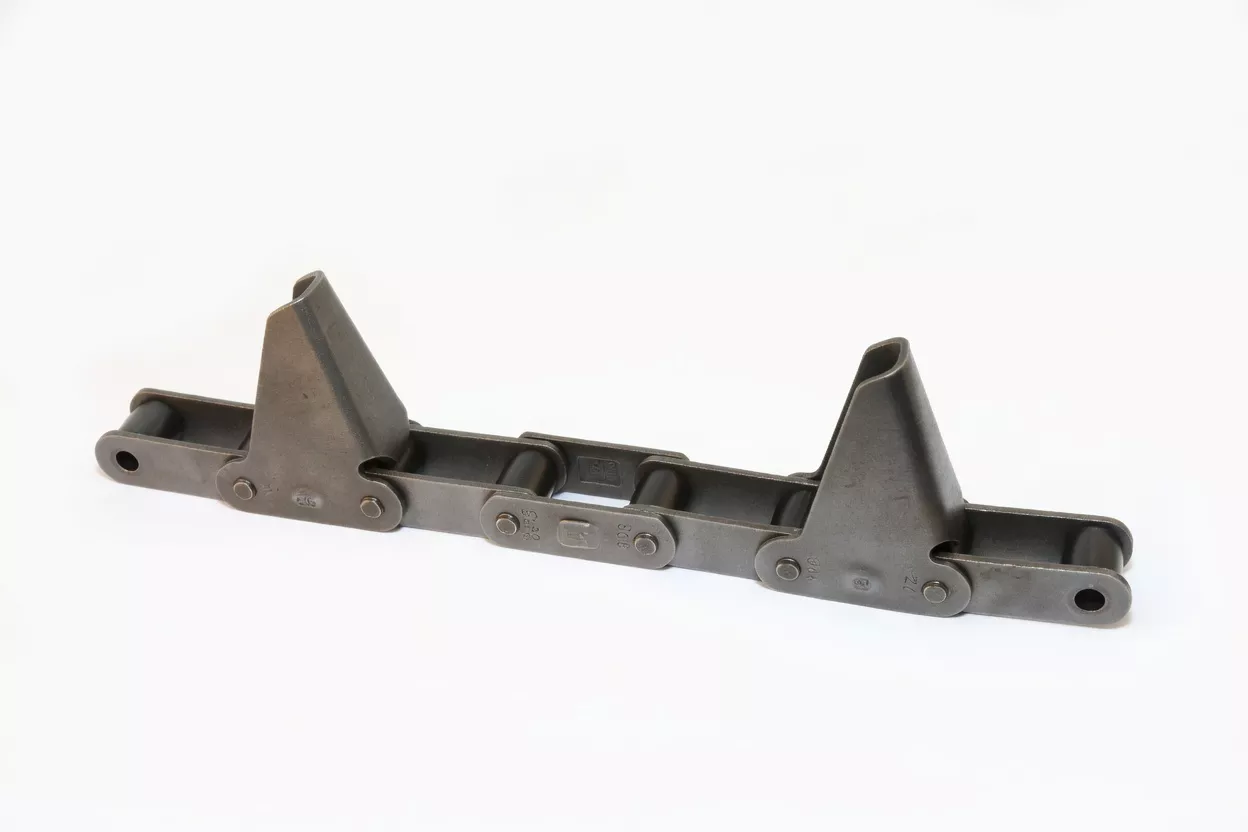
Conveys threshed, cleaned grain vertically from the returns pan to the grain tank. CA-type double-pitch conveyor chain (CA550, CA555, CA620) with bucket attachment links is the correct specification. Runs at moderate speed but carries full grain weight in transit.
♻️ Tailings Elevator Chain
Returns incompletely-threshed material to the threshing cylinder for a second pass. Operates in the most abrasive material stream on the machine — unseparated chaff, broken straw, and grain tails. CA-type chain, same family as the grain elevator.
🔄 Header Auger Drive
Moves cut material laterally across the header width to the feeder house centre. ANSI heavy roller chain (ANSI 60 or ANSI 80, double-strand) is standard on conventional headers. Moderate duty relative to the feeder house, but incorrect tension during run-in causes early failure.
🏜️ What Australian Conditions Demand From Combine Chains
Australian grain harvest imposes conditions that are more demanding than virtually any other combine-operating environment worldwide. Three factors make Australian combines particularly hard on chains.
💨 Bulldust and Fine Abrasive Particles
WA Wheatbelt and inland NSW soils contain fine silicate particles that behave like grinding compound inside pin-bushing clearances. Chains without case-hardened pins and close-tolerance bushings abrade from the inside out. This is the primary failure mode for under-specified feeder house chains in Australian conditions.
☀️ Sustained Extreme Heat
Harvest regularly runs through 38–43°C ambient temperatures. At these temperatures, lubricant film viscosity drops, metal-to-metal contact increases, and fatigue crack propagation rates in side plates and rollers accelerate. Chains rated for European ambient conditions may elongate 30–40% faster in Australian summer heat.
⏱️ Extended Daily Running Hours
Australian combines commonly run 14–18 hours per day during the main harvest window. A machine completing a full broadacre season accumulates 600–900 hours in 8–10 weeks — the equivalent of two to three European harvest seasons. Standard-duty chains are frequently not rated for this duty cycle.
📏 S-Type Agricultural Chain Specifications
S-type chains (ISO 487) are the engineering standard for combine feeder house and residue management positions. They differ from standard roller chain in pitch geometry, attachment link design, and roller specification — they are not interchangeable with ANSI chain even where pitch dimensions appear similar.
| Chain | Pitch (mm) | Inner Width (mm) | Roller Dia. (mm) | Avg. Tensile (kN) | Primary Position |
|---|---|---|---|---|---|
| S32 | 29.21 | 15.88 | 11.43 | 17.8 | Light conveyor, small combine returns |
| S42 | 34.93 | 19.05 | 13.97 | 27.2 | Mid-size combine feeder house |
| S52 | 38.10 | 19.05 | 15.24 | 32.1 | Standard feeder house (most common) |
| S55 | 41.40 | 22.23 | 17.02 | 39.4 | Wide-header combine feeder |
| S62 | 41.40 | 22.23 | 19.05 | 44.5 | Heavy-duty feeder, high-capacity harvester |
⛓️ CA-Type Elevator Chain Specifications
CA-type chains are purpose-designed for grain elevator and conveyor positions. Their extended pitch, oversize rollers, and pre-drilled attachment plates make them the standard for clean grain and returns elevator drives on Australian combines.
| CA Chain | Pitch (mm) | Roller Dia. (mm) | Tensile (kN) | Attachment Types | Position |
|---|---|---|---|---|---|
| CA550 | 41.40 | 16.87 | 33.5 | K1, K2, A1, A2 | Clean grain elevator |
| CA555 | 41.40 | 19.05 | 38.7 | K1, K2 | Tailings / returns elevator |
| CA620 | 45.72 | 19.05 | 43.1 | K1, K2, A1 | High-capacity grain elevator |
| CA627 | 45.72 | 22.23 | 49.8 | K1, K2, F4 | Heavy-duty returns elevator |
✅ Selecting the Right Chain for Each Position
Confirm the chain standard from the OEM parts book
Read the part number stamped on the existing chain’s side plate or look up the OEM parts manual. S-type, CA-type, and ANSI chains are not interchangeable even where pitch values look similar. Mismatched chain and sprocket destroys both components within hours.
Verify pitch and inner width against the sprocket
Remove the worn chain and measure 12-link pitch. Compare against the new chain specification. A new chain running on a worn sprocket will fail in 50–100 hours — inspect sprocket teeth for hook wear or cracking at the same service.
Upgrade to heavy-duty (HP) variants in harsh-duty positions
For feeder house chains running in dust-heavy WA and SA conditions, or on wide-header machines running 14+ hours per day, specify HP-grade variants with reinforced side plates. The service life improvement in Australian conditions typically justifies the specification upgrade.
Measure elongation before the start of each new season
Use a chain wear gauge or steel rule across a 12-link span at natural sag. Replace at 2.0% elongation for feeder house chains and 1.5% for elevator chains. Chains at this threshold running into a new season are carrying significant fatigue damage and are high failure-risk from day one.
🔧 Maintenance Practices for Australian Conditions
Standard wet-lubricant maintenance practices developed for European conditions are often counterproductive in Australian harvest dust. The following practices are adapted for Australian combine operations.
✅ Use dry-film lubricant in dusty conditions
PTFE-based or graphite aerosol dry-film lubricants penetrate pin-bushing clearances without forming a sticky surface that traps abrasive dust. Apply every 50 hours during harvest — at every refuel stop during peak season. Standard mineral oil applied to a chain running in bulldust accelerates wear by bonding abrasive particles to the bearing surfaces.
⚠️ Tension specification matters more than most operators realise
Feeder house chains should show 10–20 mm of free sag at the mid-span of the bottom run. Under-tensioned chains jump sprocket teeth under slug loads, causing rapid tooth wear. Over-tensioned chains load the shaft bearings and side plates excessively, causing fatigue failure and bearing overheating. Check tension at commissioning and after the first two running hours.
❓ Frequently Asked Questions
🚜 Explore Our Complete Agricultural Drive Range
Matched sprockets for every chain type we supply — plate wheel, taper-bore and hardened-tooth profiles manufactured to the same ISO standards.
Explore Sprockets →
Right-angle bevel and parallel-shaft gearboxes for PTO-driven implements — the upstream drive partner to every chain transmission.
Explore Gearboxes →
Send us your application specifications
Our drive engineers confirm the correct chain type, pitch, and duty class for your machine and operating region.