В чём разница между коническими и параллельными валами редукторов?
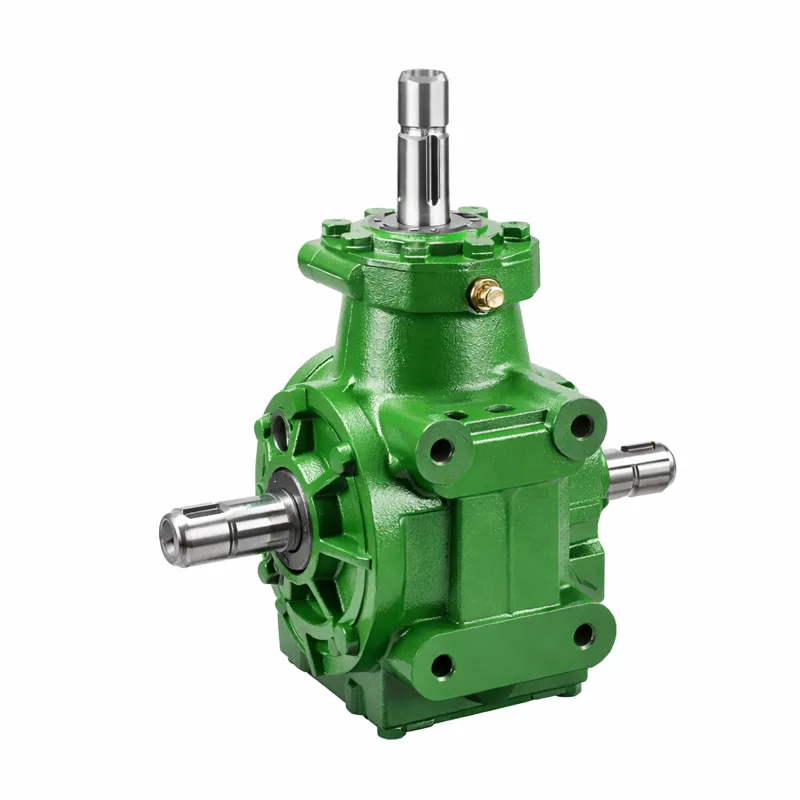
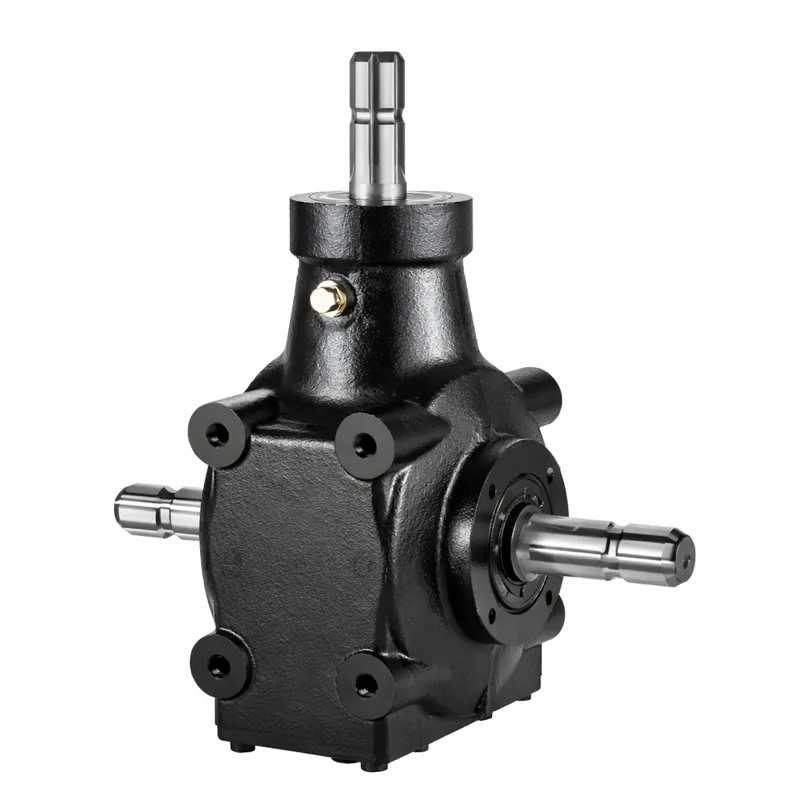
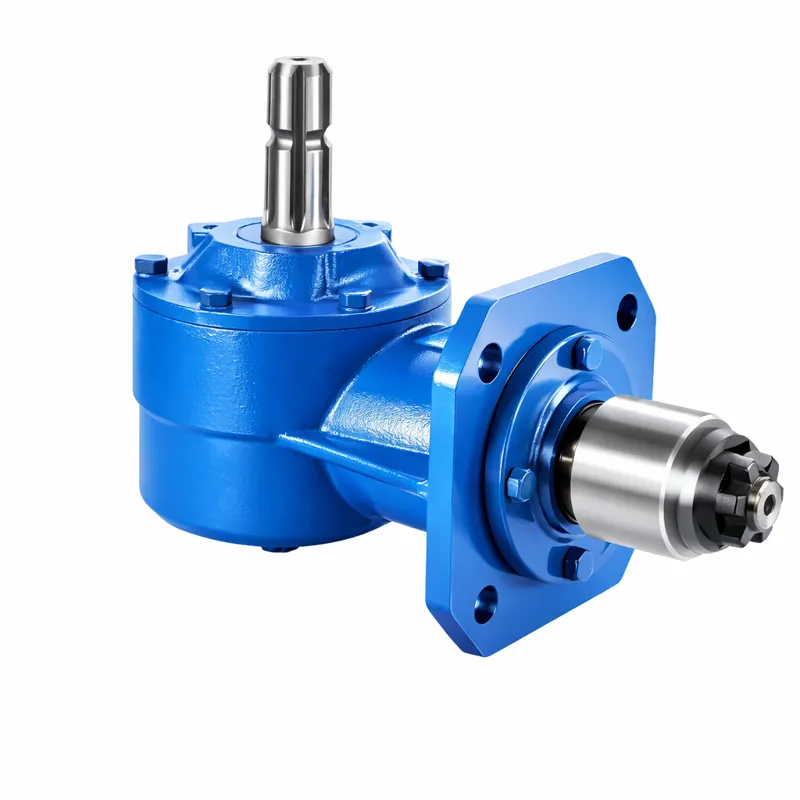
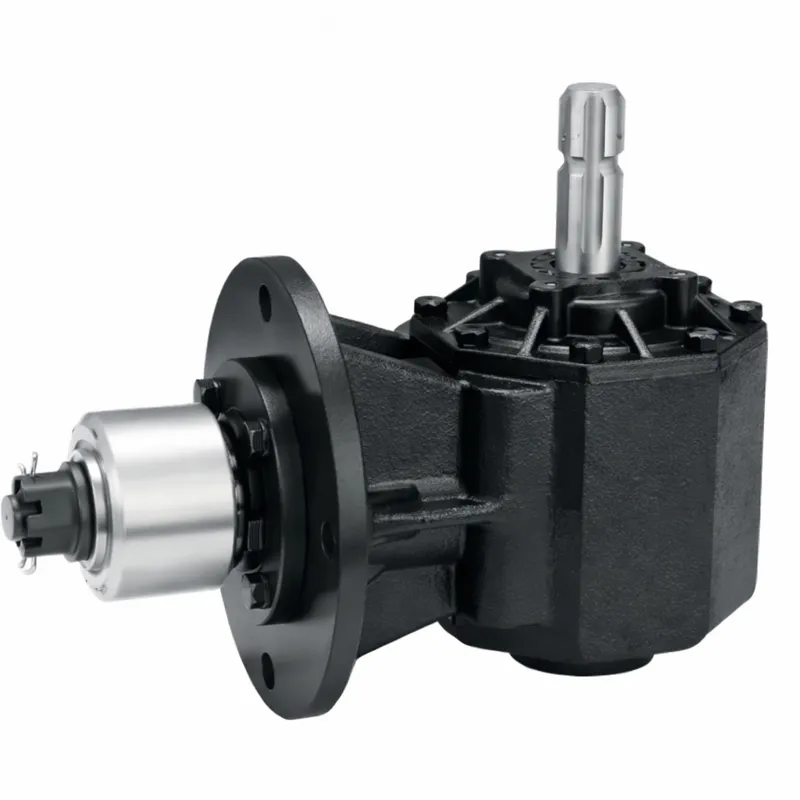
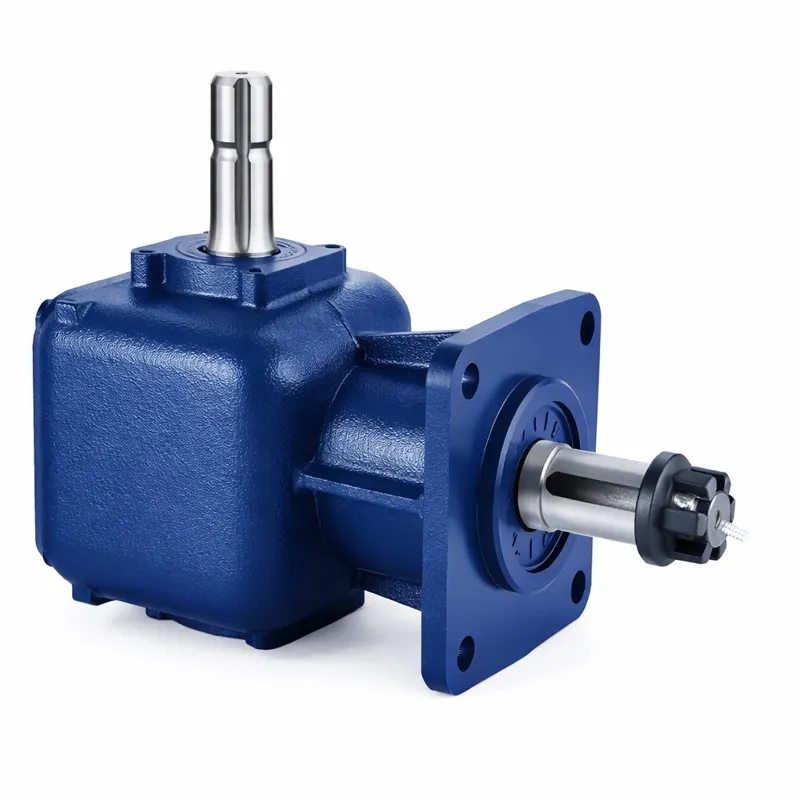
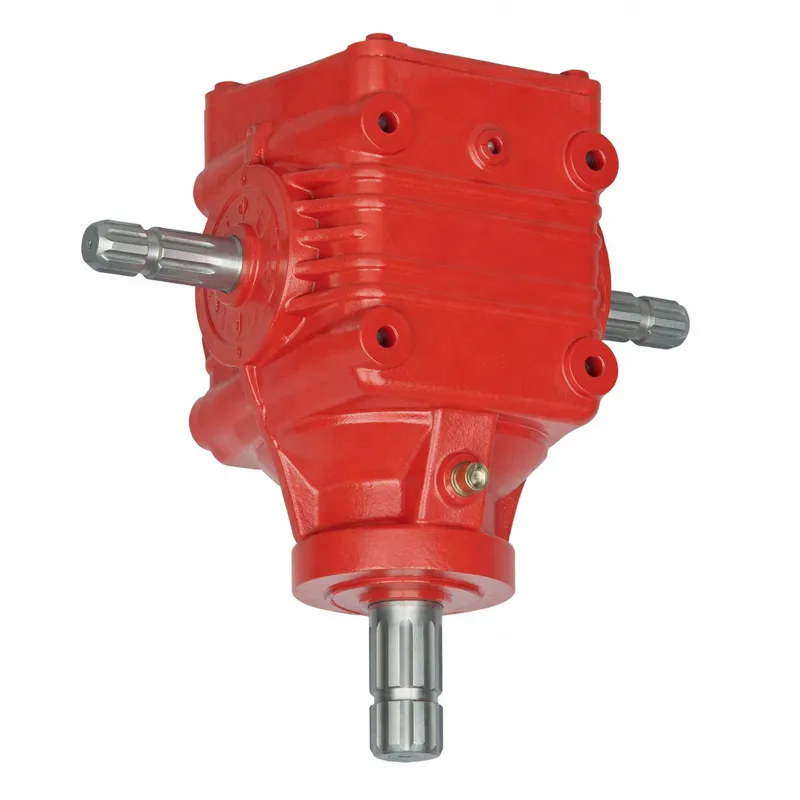
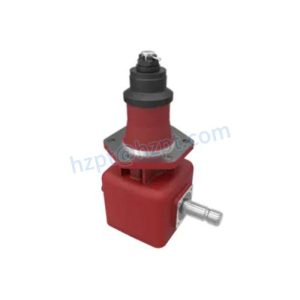
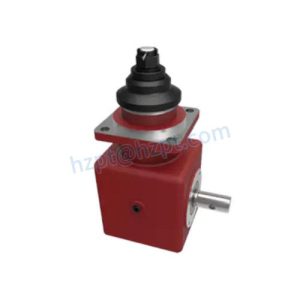
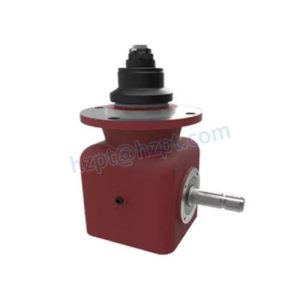
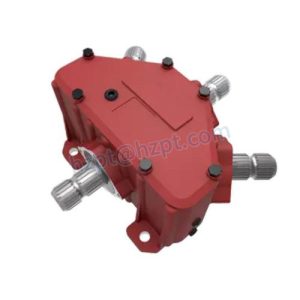
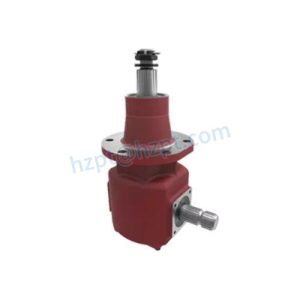
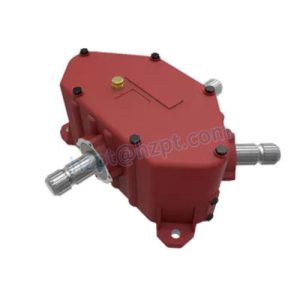
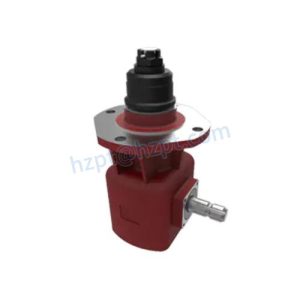
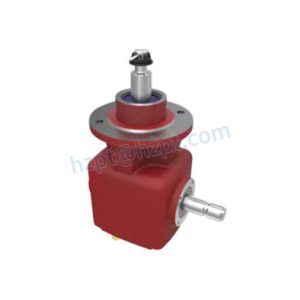
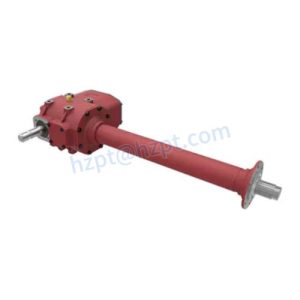
Коническая коробка передач изменяет направление вращения вала (обычно на 90 градусов) с помощью конических зубьев — это преобладающая конфигурация на австралийской сельскохозяйственной технике, поскольку входной вал ВОМ расположен горизонтально, а большинство рабочих компонентов вращаются вертикально или поперечно. Коробка передач с параллельными валами обеспечивает параллельность входной и выходной осей, используя косозубые или прямозубые шестерни, и в основном используется там, где необходимо изменить скорость без изменения направления вращения (внутренние ступени барабанных косилок, некоторые вторые ступени культиваторов). Для 80 процентов применений сельскохозяйственной техники в Австралии коническая коробка передач является оптимальным решением.
Какое передаточное число необходимо для косилки или дискового ножа?
Для большинства косилок со стандартной частотой вращения 540 об/мин обычно используются передаточные числа 1:1 (выходная мощность равна входной), 1:1,46 (выходная мощность около 790 об/мин) и 1:1,93 (выходная мощность около 1040 об/мин). Более высокие передаточные числа обеспечивают более высокую скорость вращения режущего инструмента для более чистого среза в густой траве — 1:1,93 типично для косилок высотой от 1,5 до 2,1 метра в густой траве. Более легкие косилки и косилки типа «буровая установка для столбов» часто используют передаточное число 1:1 для максимального увеличения крутящего момента на низких оборотах. Подберите передаточное число в соответствии со спецификацией оригинального оборудования или с рабочей скоростью навесного оборудования, указанной на паспортной табличке.
Как правильно рассчитать коэффициент обслуживания?
Коэффициент запаса прочности умножает номинальную мощность ВОМ трактора на стандартный отраслевой коэффициент, учитывающий ударные нагрузки и режим работы. При постоянной нагрузке и легкой нагрузке (орошение, легкие косилки на чистом пастбище): от 1,0 до 1,25. При умеренной ударной нагрузке (роторные косилки, культиваторы на обычных почвах): от 1,5 до 1,75. При сильной ударной нагрузке (косилки в зарослях пней, пресс-подборщики во влажном сене, шнеки в каменистой почве): от 2,0 до 2,5. При сильной ударной нагрузке (кормовые комбайны, измельчители сахарного тростника, измельчители стеблей): от 2,75 до 3,0. Умножьте мощность ВОМ трактора в кВт на коэффициент и выберите редуктор с номинальной мощностью выше этого значения.
Корпус из чугуна или алюминия — какой выбрать?
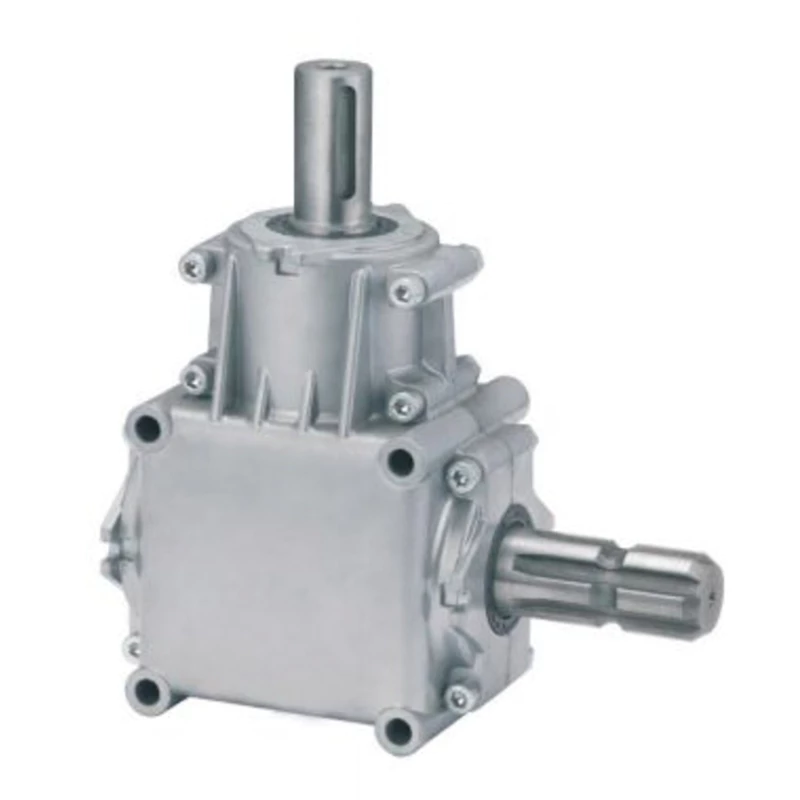
Чугун подходит для любых применений, подверженных ударным нагрузкам — косилки, роторные косилки, культиваторы, пресс-подборщики, шнеки. Масса и жесткость обеспечивают зацепление конических шестерен при деформации и поглощают ударные нагрузки. Алюминий приемлем только для легких нагрузок — небольшие косилки, легкие ирригационные насосы, легкие грабли. Алюминиевые корпуса слишком сильно деформируются при ударных нагрузках, и конические шестерни изнашиваются в 2-3 раза быстрее, чем в чугуне. Экономия веса навесного оборудования для трактора редко оправдывает снижение долговечности.
Могут ли ваши редукторы заменить агрегаты ведущих производителей оригинального оборудования?
Да — мы производим продукцию по обширной библиотеке OEM-шаблонов и можем выполнить обратное проектирование редукторов по изношенному образцу. Предоставьте OEM-номер детали, выбитый на корпусе, фотографию редуктора сбоку и монтажного фланга, или модель вашего навесного оборудования и серийный номер. Мы подтвердим взаимозаменяемость перед предоставлением коммерческого предложения. Прямое соответствие размеров является стандартом; для высоконагруженных применений мы также предлагаем модернизацию материалов по сравнению с оригинальной спецификацией (замена алюминия на чугун, закаленные зубья шестерен там, где оригинальные были незакалены).
Можно ли изготовить коробку передач с нестандартным передаточным отношением?
Да — примерно 15 процентов нашей продукции изготавливается с использованием нестандартных передаточных чисел, выходящих за рамки стандартного каталога. Нестандартные передаточные числа обычно возникают для специализированного оборудования (определенные скорости вращения насоса, необычные параметры кончиков лезвий, передаточные числа оборудования OEM, не соответствующие значениям из каталога). Укажите входную частоту вращения, требуемую выходную частоту вращения, передаваемую мощность, монтажные размеры и размеры вала — наши инженеры преобразуют эти данные в подходящий комплект шестерен и подтверждают, что передаточное число достижимо в имеющихся габаритах. Сроки изготовления нестандартных передаточных чисел немного дольше, чем у изделий из каталога.
Какое масло мне следует использовать и как часто его нужно менять?
Большинство редукторов сельскохозяйственной техники поставляются с завода с маслом EP90 (минеральное) или EP140 (более тяжелое минеральное) для работы в условиях повышенного давления. Масло EP90 подходит для более прохладного климата и легких режимов работы; EP140 — лучший выбор для жаркого австралийского лета и работы в условиях ударных нагрузок. Замена масла после обкатки производится через 50 часов, затем полная замена каждые 250 часов работы или один раз за сезон — в зависимости от того, что наступит раньше. Синтетическое масло 80W-140 является вариантом для тяжелых условий эксплуатации и увеличивает интервалы замены примерно до 500 часов. Всегда проверяйте уровень масла в сальниках ежемесячно в течение рабочего сезона.
Предоставляете ли вы сертификаты ISO и протоколы инспекций?
Да — каждая партия поставляется с сертификатом соответствия, подтверждающим соответствие нашей системе качества ISO 9001. Сертификаты химического состава материалов, отчеты о твердости зубьев шестерен, отчеты о проверке размеров на соответствие допускам чертежа и данные испытаний уплотнений под давлением предоставляются по запросу. Для OEM-клиентов мы обеспечиваем отслеживание серийных номеров партий, чтобы в случае возникновения гарантийных проблем можно было определить конкретную производственную партию.
На какие виды редукторов для сельскохозяйственной техники распространяется гарантия?
На все редукторы распространяется 12-месячная гарантия от производственных дефектов с даты отгрузки, покрывающая дефекты материалов, несоответствие размеров, преждевременный выход из строя шестерен или подшипников под номинальной нагрузкой, дефекты уплотнений и дефекты термообработки. Гарантия не распространяется на износ, вызванный нормальной эксплуатацией в полевых условиях, а также на повреждения, вызванные выбором редуктора недостаточного размера, отсутствием масла, отсутствием или неправильной затяжкой крепежных болтов, или работой вне номинальной входной скорости. В случае одобрения гарантийной претензии, изношенный редуктор запрашивается для проверки, а замена отправляется за наш счет.