Specifying Agricultural Gearboxes for Tomato Harvester Duty
tomato harvester applications place specific demands on gearbox design that generic farm gearboxes rarely satisfy. This article addresses the engineering decisions that matter for Australian operators: handling delicate handling requiring smooth low-rpm operation, pickup belt drive shock loading, and rapid acid contamination from broken fruit, understanding what really fails in the field, selecting the right service factor, and matching gearbox specification to your specific machinery and operating conditions.
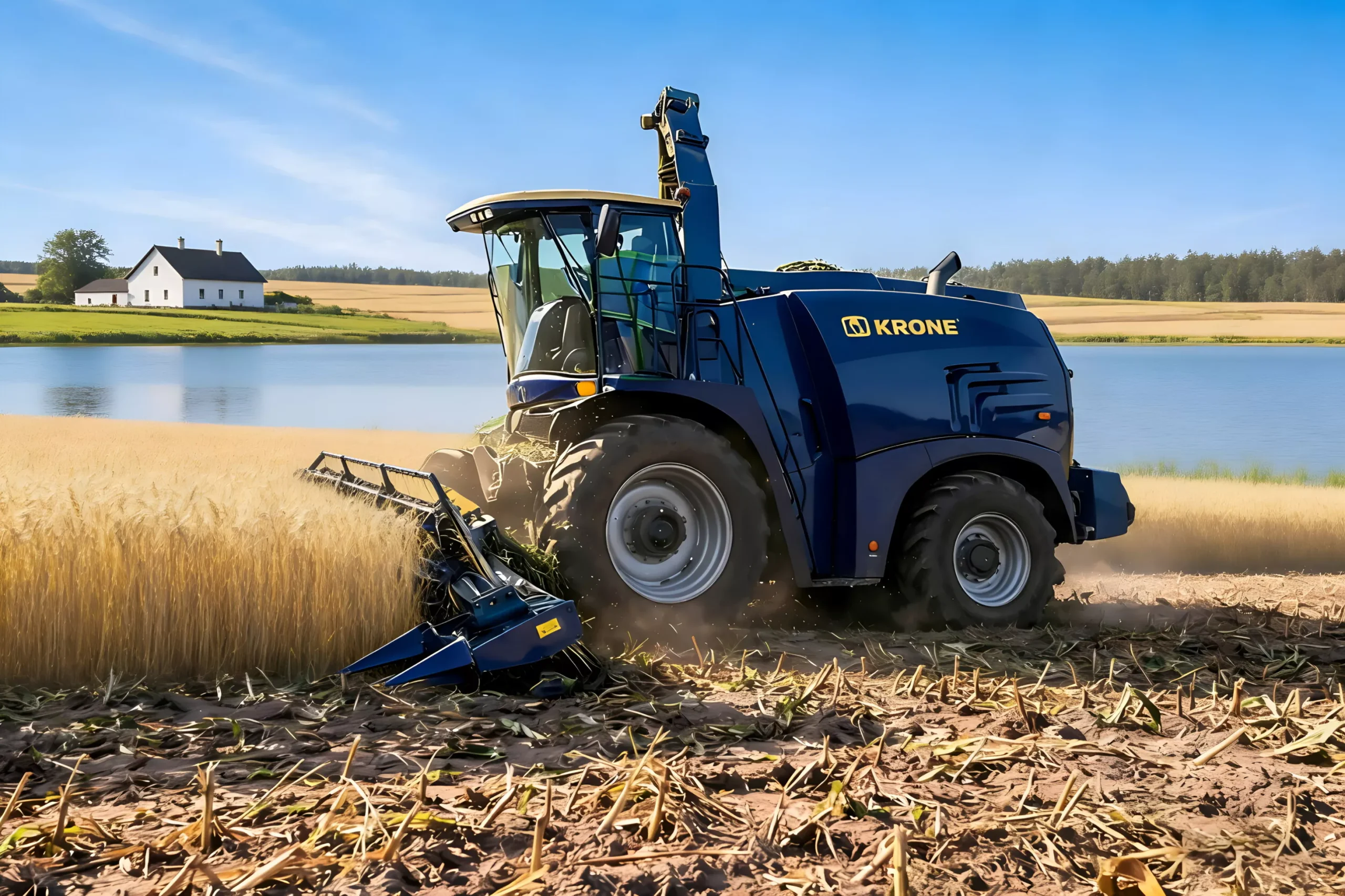
Application Scenarios & Australian Pain Points
Typical Tomato Harvester Equipment We Supply Gearboxes For
Australian Regional Coverage
Our tomato harvester gearboxes are in active service across the following Australian regions, where field conditions create distinct technical demands:
Common Failure Modes in Australian Tomato Harvester Operations
Years of analysing returned units from Australian operators has identified these as the dominant failure modes for tomato harvester gearboxes:
- !acid attack from broken tomato juice
- !pickup belt cyclic loading
- !external paint degradation from acidic environment
Need a gearbox specified to your exact tomato harvester equipment?
Technical Specifications & Selection Guide
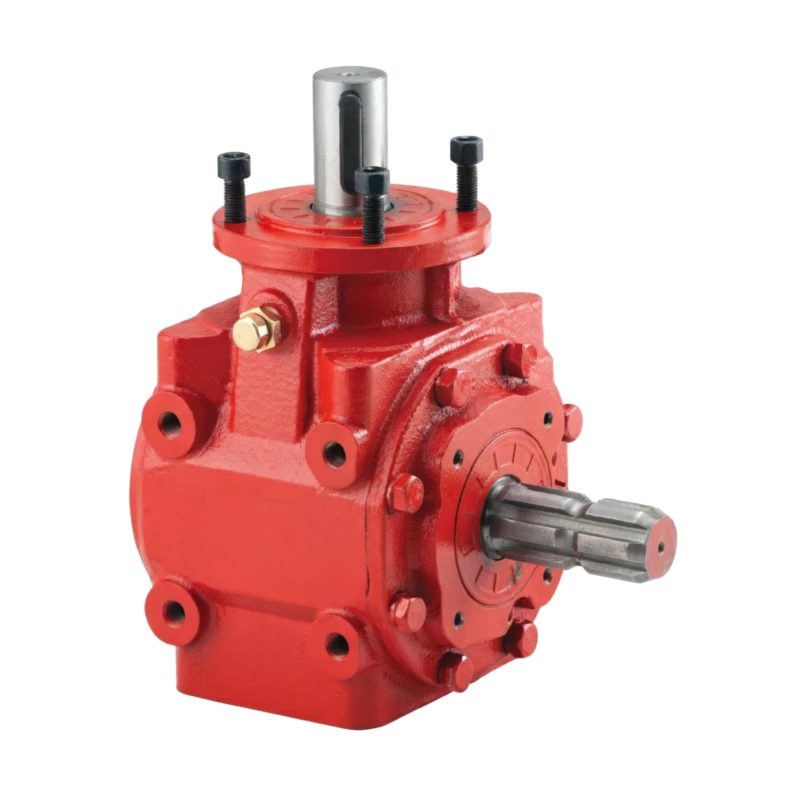
Engineering Reference Specifications
The following parameters represent the typical specification range for tomato harvester gearboxes supplied to Australian customers. Custom configurations are available on request.
Key Parameters Table
| Parameter | Specification | Why It Matters for Tomato Harvester |
|---|---|---|
| Input speed | 540 rpm | Affects gear pitch-line velocity and lubrication regime |
| Ratio | 1:2.5 reduction | Matches input speed to required output rpm |
| Continuous torque | 320 Nm | Determines if gearbox can sustain continuous duty |
| Service factor | 1.75 | Critical for tomato harvester shock loading conditions |
| Housing material | ductile iron with acid-resistant coating | Affects strength and corrosion resistance |
| Approximate weight | 32 kg | Affects mounting requirements and field handling |
| Shaft configuration | Solid, hollow, splined, keyed (configurable) | Must match implement coupling specification |
Step-by-Step Selection Workflow
- Confirm input speed — verify whether your tractor PTO runs at 540 rpm or 1000 rpm (or front PTO if applicable)
- Calculate required output — the implement manufacturer typically specifies the output rpm and torque required at the tomato harvester drive shaft
- Apply correct service factor — for tomato harvester duty we recommend at least 1.75 due to the loading characteristics described above
- Match shaft configuration — confirm spline pattern, key dimensions and shaft length for both input and output
- Specify mounting orientation — horizontal, vertical or angled mounting affects oil level and seal selection
- Define environmental sealing — based on dust, moisture and chemical exposure expected in your operation
- Verify lubrication compatibility — confirm recommended oil grade matches your service routine
Common Selection Mistakes to Avoid
Bevel vs Worm vs Helical: Which for Tomato Harvester?
| Type | Best for Tomato Harvester? | Strengths | Weaknesses |
|---|---|---|---|
| Spiral bevel | Most tomato harvester duty | 90 deg power transfer, high efficiency, robust | More expensive than straight bevel |
| Worm | High-reduction holding loads | Self-locking, very high ratios, compact | Lower efficiency, generates heat |
| Helical | Inline shaft applications | Quiet operation, smooth power flow | No 90 deg deflection without bevel stage |
Not sure which model fits your specific tomato harvester machinery?
Real Australian Field Cases for Tomato Harvester Gearboxes
The following case studies are drawn from active service records of Australian customers across tomato harvester applications. Each illustrates a specific engineering challenge and the technical solution that resolved it. To learn more about the manufacturing capability behind these solutions, see our complete agricultural parts catalogue and capability overview.
Case 1: Echuca, Victoria
Equipment: self-propelled processing tomato harvester
சவால்: external coating attack from tomato juice acidity
தீர்வு: two-pack acid-resistant epoxy paint with chemical topcoat
முடிவு: external coating intact after three full harvest seasons
Case 2: Shepparton, Victoria
Equipment: twin-row processing harvester
சவால்: pickup belt drive bearing fatigue under cyclic loading
தீர்வு: upgraded to taper-roller bearings with adjustable preload
முடிவு: bearing service life increased over 2.5 times
Case 3: Griffith, NSW
Equipment: high-capacity tomato combine
சவால்: low-rpm operation causing inadequate gear lubrication
தீர்வு: specified synthetic oil with EP additive package for low-speed duty
முடிவு: tooth surfaces in spec after 2,800 operating hours
Case 4: Cobram, Victoria
Equipment: single-row processing harvester
சவால்: input seal failure from acidic juice ingress
தீர்வு: fitted FFKM perfluoroelastomer seals at all interfaces
முடிவு: no seal degradation through entire harvest program
Case 5: Rochester, Victoria
Equipment: trailed tomato picker
சவால்: PTO input wear from continuous variable loading
தீர்வு: supplied hardened input shaft with case-carburised spline
முடிவு: spline condition unchanged after extensive use
Installation, Service & Field Maintenance: Tomato Harvester Gearboxes
A tomato harvester gearbox correctly installed and serviced according to the routine below will deliver multi-season service even under demanding conditions in Goulburn Valley and Riverina processing zones. Below are the procedures our engineering team recommends to Australian operators of self-propelled processing tomato harvesters and similar machinery.
Critical Installation Points for Tomato Harvester Gearboxes
- Mounting alignment under 0.10 mm — the leading cause of premature failure in tomato harvester duty
- Cold oil fill at correct mounting orientation — never fill warm or in incorrect orientation
- Breather valve at highest point — fitted with dust filter for Goulburn Valley conditions
- Cover bolt torque per shipping tag — apply in cross sequence to specified value
- Spline match on input PTO — confirm pattern matches tractor PTO before connection
- 5-minute idle run-in — verify no abnormal sounds before applying full tomato harvester load
Lubrication Specification by Operating Profile
Climate-matched lubrication is the single most overlooked factor in tomato harvester gearbox life. We recommend the following oil specifications:
| Operating Profile | Recommended Lubricant | Drain Interval |
|---|---|---|
| Light tomato harvester duty, mild climate | EP90 GL-5 mineral | 250 hours |
| Medium tomato harvester duty, hot summer | EP140 GL-5 mineral | 250 hours |
| Continuous tomato harvester duty, extreme heat | Synthetic ISO VG 220 | 500 hours |
Service Interval Schedule
For tomato harvester duty across Australian conditions, follow the schedule below regardless of make or model:
| Trigger | Tomato Harvester Service Action |
|---|---|
| 8 hours daily | Visual leak check, listen for input bearing noise, hand-test housing temperature |
| 50 hours operating | Cold oil level check, breather valve inspection, input spline visual check |
| 250 hours operating | Oil change, breather replacement, axial play measurement, mounting bolt re-torque |
| Season end | Workshop disassembly, seal pack replacement, gear backlash measurement, housing inspection, anti-corrosion treatment for off-season storage |
Tomato Harvester Field Issue Diagnostics
Matched PTO Shafts for Tomato Harvester Drivelines
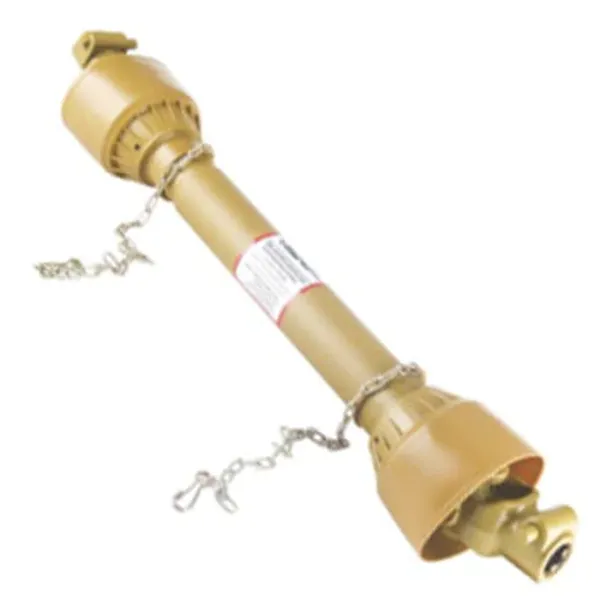
Complete Driveline Solutions
A tomato harvester gearbox is only as reliable as the PTO shaft connecting it to the tractor. Mismatched length, incorrect spline pattern or undersized telescoping tube creates the same downtime risk as a poorly specified gearbox. We supply matched PTO shafts for every tomato harvester gearbox in our range.
Standard configurations cover self-propelled processing tomato harvesters through to trailed tomato pickers, with friction or shear-bolt clutch protection options, full safety guarding compliant with AS/NZS 4024 standards, and the correct spline series for your tractor PTO.
Manufacturing Backing & Australian Track Record
Voice of Goulburn Valley Customers
“Sourced our tomato harvester gearboxes for self-propelled processing tomato harvesters after a frustrating run with another supplier. Build quality is noticeably better, and we now have units running 1,400+ hours without intervention. Their engineers actually understand the conditions in Goulburn Valley.”
“After two seasons running their tomato harvester gearbox on our trailed tomato pickers, I would order them again without hesitation. Pricing is fair, build is heavy duty and the engineering support during specification was excellent.”
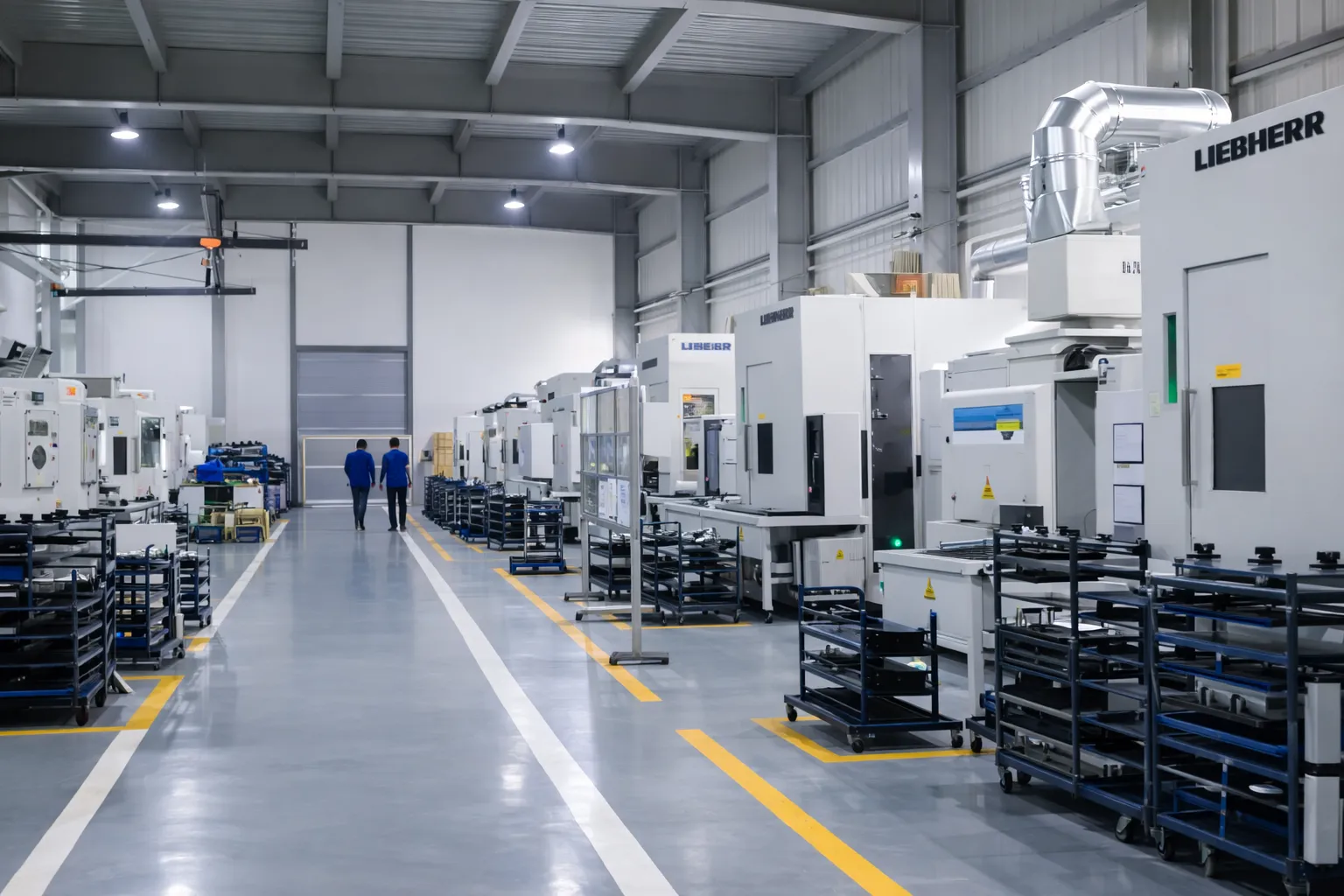
We operate ISO 9001 certified manufacturing with in-house forging, CNC machining, gear grinding and full heat treatment. Our team includes qualified agricultural mechanical engineers focused on tomato harvester duty applications. Learn more about our manufacturing capability and team directly with our engineering coordinator.
Frequently Asked Questions: Tomato Harvester Gearboxes
Common questions from Australian buyers sourcing tomato harvester gearboxes for their fleet operations:
Talk to Us About Your Tomato Harvester Gearbox Requirements
Every tomato harvester application has its own specification profile. Reach out by any of the channels below and a real engineer will respond — not a sales template.
Request a quote for your tomato harvester gearbox today
Email: [email protected] · Australia-wide delivery to all states and territories