PTO Shaft for Silage Defacer & Silage Cutter — Precise Daily Drive for Silo Face Management
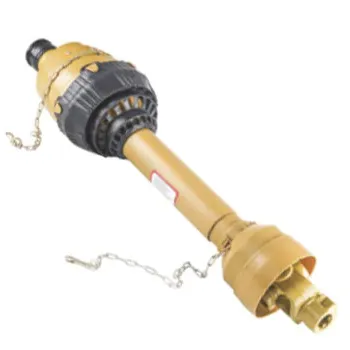
The silage defacer PTO shaft — also called a silage face cutter driveshaft, silage block cutter cardan shaft, or silage unloading machine PTO driveline — powers the face-cutting or defacing mechanism on machines designed to remove compacted silage from the face of an upright tower silo, horizontal bunker clamp, or silage bag in a controlled, hygienic manner. Proper silage face management is critical for dairy and livestock operations: a clean, even cut minimises air infiltration into the fermented mass, which directly affects silage quality, dry matter losses, and the health of livestock consuming the feed.
Silage defacers and silage cutters are used daily for 10–12 months of the year in intensive dairy operations — making them among the highest duty-cycle PTO applications in Australian livestock farming. The machine must cut compacted silage (often frozen on the surface in winter conditions) with a rotor carrying multiple cutting blades at moderate working speeds. Our silage defacer PTO shaft (Series 5) delivers the sustained, consistent moderate-torque drive this application requires — with heavy corrosion resistance for the silage acid environment and a cam torque limiter for protection against the boulders and embedded foreign objects that routinely appear in silage clamps.
Browse our dairy farm equipment PTO shaft range or contact our dairy specialists for silage defacer shaft specifications.
Technical Specifications — PTO Shaft for Silage Defacer / Silage Cutter
| Parameter | Standard Value | Customisable Range |
|---|---|---|
| Series | Series 5 | Series 4–6 |
| PTO Speed | 540 RPM | 540 RPM |
| Power Rating | 35–70 kW | 20–100 kW |
| Continuous Torque | 950 N·m | 300–1,800 N·m |
| Peak Torque (frozen/rock) | 1,900 N·m (2×) | 600–3,600 N·m |
| Compressed Length | 640–870 mm | 480–1,600 mm |
| Extended Length | 1,000–1,420 mm | 700–2,200 mm |
| Tube Profile | Star / Hexagonal | Star / Hex |
| CV Joint | Both ends ±35° | CV ±30° to ±40° |
| Input Spline | 1-3/8″ × 6 / 1-3/4″ × 20 | 1-3/8″×6 / 1-3/4″×20 |
| Output Spline | Machine-specific | Custom per defacer gearbox |
| Overload Protection | Cam torque limiter | Cam / Friction |
| Cam Slip Torque | 1,400–2,200 N·m | 600–3,600 N·m |
| Guard Type | Full-cone PE acid-resistant | Full cone PE |
| Guard Material | Silage-acid-resistant PE | Chemical-resistant PE |
| Sealed Cross-Kits | IP55 silage-acid-rated | IP55 |
| Grease Spec | NLGI #2 EP corrosion-inhibitor enhanced | Corrosion-inhibitor EP |
| Grease Interval | Every 8 hours (daily) | 8–25 hrs |
| Surface Finish | Triple-layer: galv + zinc-rich epoxy + enamel | Triple-layer |
| Yoke Material | Forged 40Cr 30–36 HRC | 40Cr / 42CrMo4 |
| Temp Range | -25 °C to +80 °C (frost-start rated) | -40 °C to +100 °C |
Working Principle of the Silage Defacer PTO Shaft
A silage defacer carries a horizontal rotor (fitted with cutting blades, teeth, or paddles) that is driven by the PTO shaft through a small reduction gearbox. The rotor is swept vertically across the silage face on a hydraulically controlled arm, cutting a uniform layer from the face and dropping it onto the machine’s collection floor or directly into a feed wagon. The PTO shaft’s role is simply to maintain constant rotor speed throughout the vertical sweep — ensuring each cut layer has consistent depth and density, which is critical for consistent livestock ration delivery.
The primary protection requirement is against embedded stones (common in bunker clamps where stones from tractor tyres have been pushed into the silage), wire fragments (from bale wire in grass silage), and the harder frozen silage face in winter mornings. The cam torque limiter snaps over cleanly when the rotor encounters these objects — protecting the defacer gearbox. Because the defacer is used every day throughout the feeding season, consistent cam function (no drift in slip torque over time) is critical — a friction clutch that drifts low through the season provides progressively less protection as the season progresses.
Core Advantages of Our PTO Shaft for Silage Defacer / Silage Cutter
Daily Duty Cycle Engineered
Series 5 designed for 300–350 daily PTO operations per year — the daily feed-out cycle of an intensive dairy operation — with cam limiter, cross-kit, and tube profile all sized for year-round continuous use.
Silage Acid Resistant Materials
Silage pH typically 3.8–4.2 (lactic acid dominant) — extremely corrosive to standard mild steel surfaces. Triple-layer coating, acid-resistant PE guard, and corrosion-inhibitor-enhanced grease provide 10+ year protection in direct silage exposure.
Cam Drift-Free Torque Limiter
Our cam limiter maintains its set slip torque across 300+ daily operations without spring preload drift — unlike friction clutches that require annual recalibration to compensate for disc wear and spring fatigue in high-cycle applications.
❄️ Frost-Start Rated Grease
Corrosion-inhibitor enhanced NLGI #2 EP grease rated to -25°C provides adequate cross-joint lubrication at winter dawn startup temperatures — eliminating the dry-start bearing damage common in standard grease at sub-zero morning temperatures.
IP55 Silage-Acid-Rated Cross-Kits
Standard IP55 seals use NBR rubber that is attacked by silage acid over extended daily exposure. Our silage-acid-rated IP55 seals use acid-resistant seal compound that maintains integrity through full 10-year service life in daily silage contact.
Dairy Farm Self-Service Design
Designed for daily-use dairy farm environment where shafts may be serviced by farm staff rather than specialist engineers. Quick-release guard, colour-coded grease nipples, and clear cross-kit replacement guide supplied with each shaft.
Brand Compatibility & Cross-References
Direct drop-in replacement for OEM shafts on: Jaylor, Keenan, Kuhn, Trioliet, Siloking, Strautmann, Goweil, Raussendorf. 12,000+ cross-references verified before dispatch.
⚠️ Referenced for parts-compatibility identification only. No commercial affiliation claimed.
Spare parts stocked: S3–S8 cross-kits (standard / IP55 / IP67 / acid-rated / Moly) · Cam spring sets · Friction disc sets · Acid-resistant PE guards · Retaining chains & SS straps · Yoke collars
→ Browse all PTO shaft accessories
Compliance & Regional Demand
Standards & Regulations: Standards: ISO 5673-1:2014, AS 4024.3601. Dairy Australia: silage face management is a dairy industry best-practice requirement under the Feedbase 2030 programme — consistent silage face cutting (enabled by reliable shaft performance) directly affects dairy cow nutrition management. WorkSafe VIC and WorkSafe TAS conduct farm safety audits where PTO guarding is specifically assessed. Silage bunker safety: exclusion zone management under WHS r.46 during defacer operation.
Key Demand Regions: Primary dairy regions: Gippsland VIC (highest density silage use), Northland VIC, Murray Valley VIC/NSW, NW Tasmania, SE SA, SW WA (Harvey, Manjimup).
CE Declaration, ISO material certs, and dimensional inspection reports supplied with every shaft. GST-inclusive AUD invoicing.
Quick Selection Guide
| Parameter | How to Determine | Guidance |
|---|---|---|
| Defacer type | Rotor / Grab / Block cutter | Rotor type: Series 5 cam; grab/block: consult for specification |
| Silage type | Grass / Maize / Pasture | Maize silage (denser): upsize cam setting slightly |
| Daily use cycle | Once / Twice / Multiple times daily | Multiple daily: daily grease mandatory; silage-acid cross-kit essential |
| Winter conditions | Frost regular / Rarely freezing | Frost regular: frost-start grease; allow frost to partially thaw face before first cut |
| Machine rated HP | From defacer spec | Series 5 covers 35–70 kW; Series 6 for larger machines |
| Tractor PTO spline | Count splines | Many dairy tractors: 1-3/8″×6 standard |
Installation Guide — PTO Shaft for Silage Defacer / Silage Cutter
- [Safety — silage face stability] Engine off, handbrake. Silage face area: watch for unstable silage overhangs above machine during installation.
- [Setup] Attach defacer to tractor 3PL or front linkage; position face-to-face with silage; measure shaft gap.
- [Tractor connection] Apply corrosion-inhibitor anti-seize to PTO splines; install tractor CV yoke.
- [Machine connection] Install machine CV yoke onto defacer gearbox; torque collar to 28–32 N·m.
- [Travel check] Verify shaft through full defacer swing range (vertical sweep + transport fold).
- [Guard] Fit acid-resistant PE guard; both chains anchored firmly.
- [Initial run] Engage PTO at idle; verify rotor rotation before engaging defacing sweep mechanism.
- [Daily mandatory service] Daily grease: apply EP grease to all nipples every single operating day throughout feeding season.

️ Troubleshooting
⚠️ Silage face unevenness increasing over time
Root Cause: Rotor speed inconsistency — worn cross-joint or cam drift
Fix: Replace cross-kits if play detected; verify cam slip torque matches specification — recalibrate if drifted
⚠️ Silage acid corroding guard interior
Root Cause: Standard PE guard; silage liquid draining into guard interior
Fix: Replace with acid-resistant PE guard; add drainage hole at lowest guard point to prevent silage pooling
⚠️ Cross-kit corroding despite daily greasing
Root Cause: Standard NLGI #2 EP grease not resistant to silage acid in IP55 seal contact zone
Fix: Upgrade to corrosion-inhibitor enhanced grease; check IP55 seal compound — specify acid-rated version
⚠️ Cam clutch over-cycling in frozen morning silage
Root Cause: Frozen face resistance exceeds cam setting; cam set too low for winter conditions
Fix: Allow morning frost to partially thaw (30 min) before first cut; increase cam setting slightly for winter setting
⚠️ Guard strap corroding and failing
Root Cause: Standard steel strap in silage acid environment
Fix: Replace with 316 stainless steel strap retainer; inspect monthly for acid attack
Australian Case Studies
Maffra, VIC
Dairy farm 450 cows — Siloking defacer, daily grass silage
“”365 days per year of PTO operation. The acid-resistant PE guard and corrosion-inhibitor grease are now in year 5 without replacement — previous standard-specification shafts needed new guards every 18 months.””
Cobden, VIC
Large dairy — Trioliet Triomix defacer + TMR system
“”Daily silage supply for TMR mixing requires absolute reliability. Your cam limiter has maintained its calibration for 3 full seasons without a single recalibration call — unlike the friction clutch on our old shaft which needed annual adjustment.””
Smithton, TAS
NW Tasmania dairy — maize silage, frost common
“”Frost-start grease was the solution to our winter bearing issues. Sub-zero morning temperatures were destroying standard grease-filled cross-kits. Your frost-rated grease has eliminated all winter bearing failures.””
Colac, VIC
Intensive dairy — Kuhn SPW 22 speed-feed defacer
“”We operate the defacer twice daily. IP55 acid-rated seals are the only specification we will accept — daily silage acid exposure destroys standard seals in 6 months. Your acid-rated version has held up for 4 years.””
Harvey, WA
SW WA dairy — Goweil defacer, summer silage stock
“”Very remote delivery location. Your express freight to Harvey arrived within 3 working days of order. Critical for a machine that is used every single day of the year.””
❓ Frequently Asked Questions
Why is silage pH so damaging to PTO shaft components?
How often should I grease my silage defacer PTO shaft?
What is the difference between a silage defacer and a block cutter?
Can I use a standard rotary tiller PTO shaft on my silage defacer?
How do I manage the silage face to prevent embedded objects from damaging the defacer shaft?
Related Products
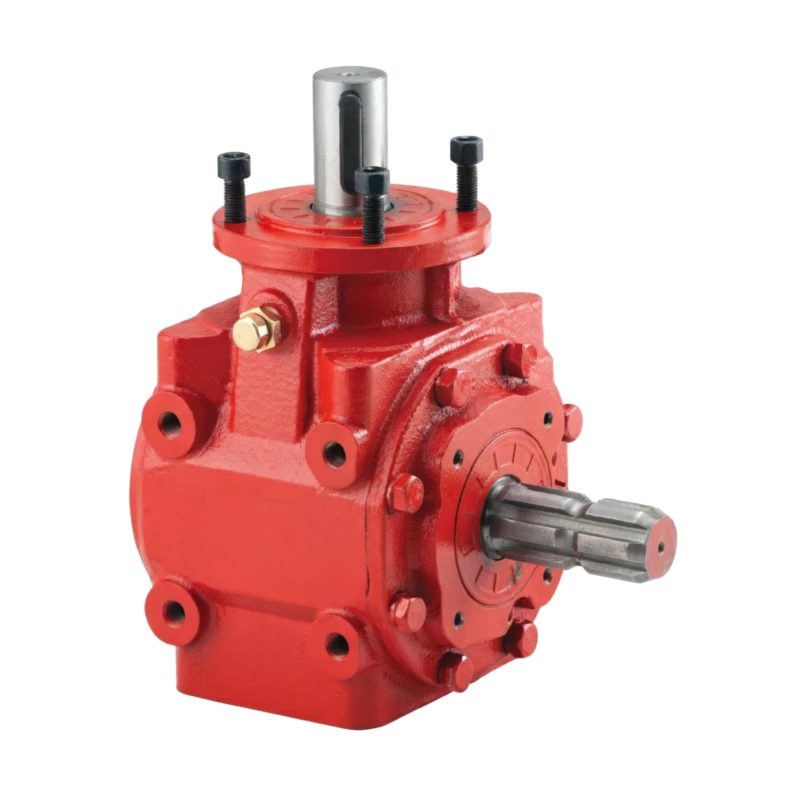
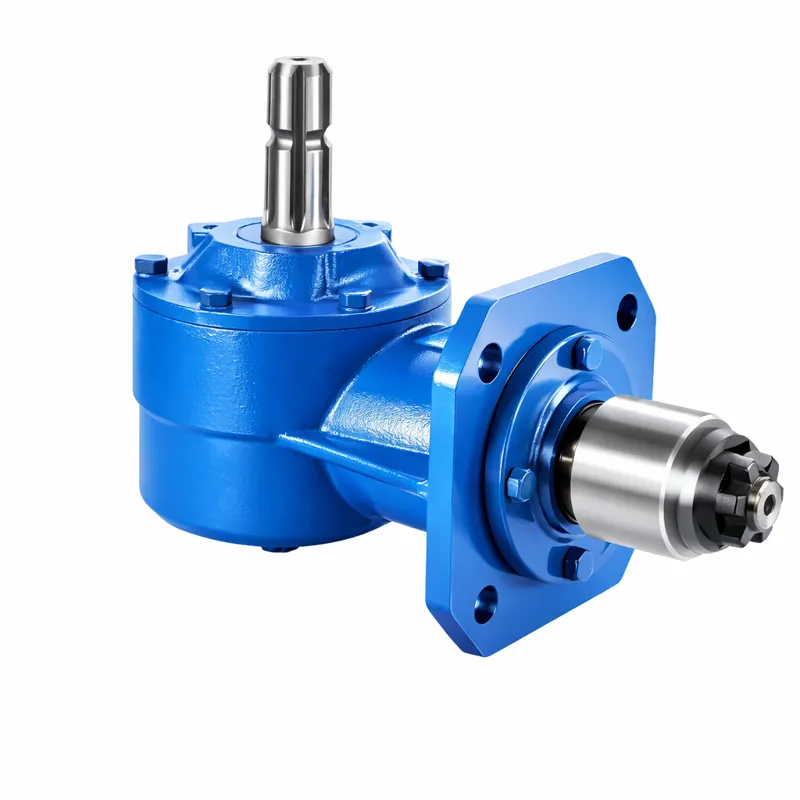
Our agricultural gearboxes pair perfectly with every shaft in our range for matched torque ratings and minimal vibration.
Agricultural Gearbox
Bevel, inline, and custom gearboxes for all PTO drive applications.
Cross-Kits & Clutch Parts
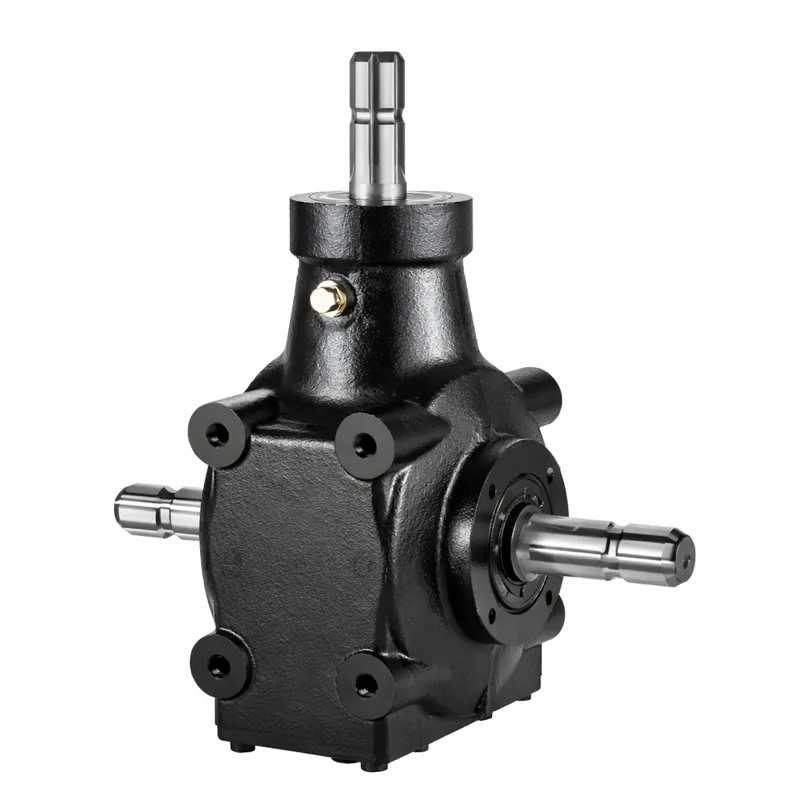
All series cross-kits including acid-rated, Moly-packed, and frost-start greased options.
Specialty Guards & Seals
Acid-resistant, UV-stabilised, tropical-grade, and heavy-wall PE guards; wiper seals; SS strap kits.
Partner with Us
Source Your PTO Shaft for Silage Defacer / Silage Cutter — Same-Day Dispatch Available
- ✅ Cross-reference confirmed before dispatch
- ✅ Custom lengths, splines, clutch settings, seal materials
- ✅ Volume and OEM pricing available
- ✅ Same-day dispatch on stocked items — express Australia-wide freight
- ✅ Full compliance documentation: CE, ISO certs, inspection reports