PTO Shaft for Peanut Harvester — Sandy-Soil Drive for High-Efficiency Groundnut Harvesting
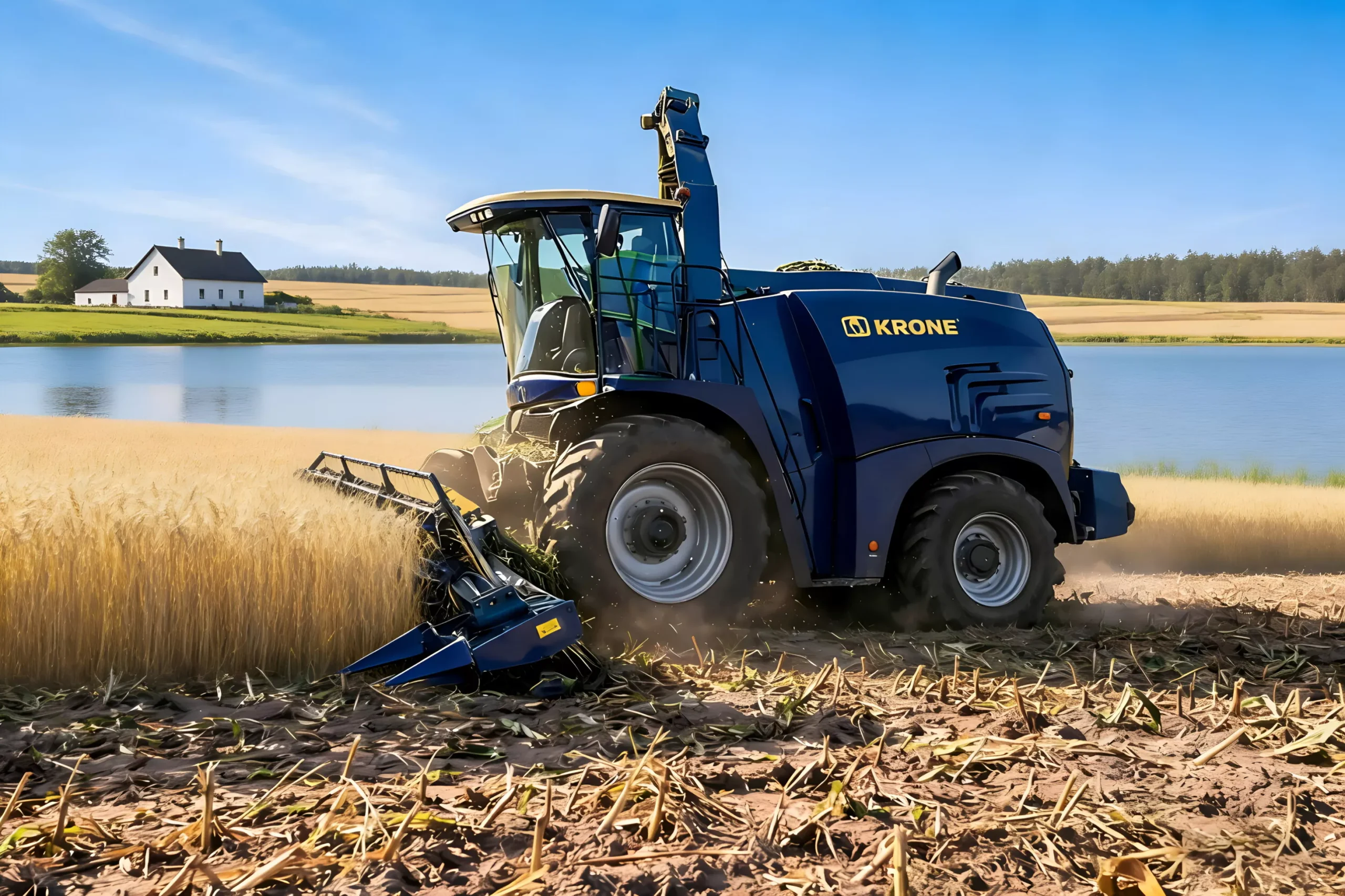
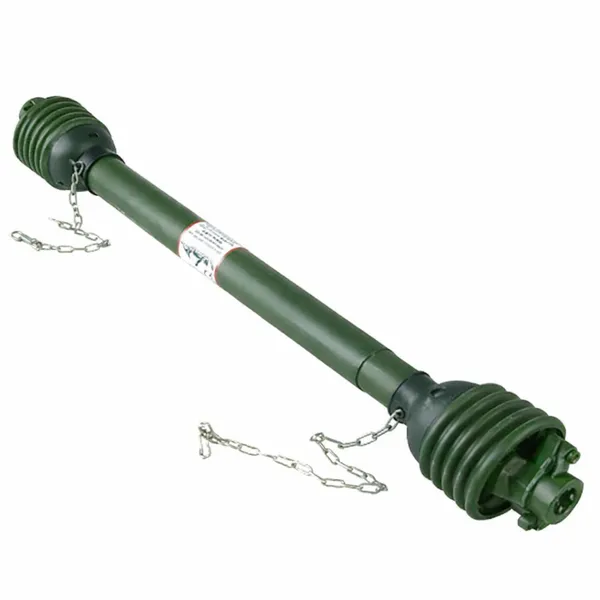
The peanut harvester PTO shaft — also called a groundnut harvester driveshaft, peanut combine cardan shaft, or arachis hypogaea harvester PTO driveline — transmits tractor power to the peanut-specific harvesting mechanism: the lifting share that undercuts the peanut rows at pod depth (typically 100–150 mm), the primary vine and soil separation web, the threshing cylinder that strips pods from the vine, and the pod cleaning fan and auger. Australia’s peanut industry — centred in the Kingaroy, Monto, and Bundaberg regions of Queensland — operates primarily during the late summer/autumn harvest window, placing concentrated and intensive demand on reliable harvesting equipment.
Peanut harvesters operate in typically lighter, sandier soils than potato harvesters, which moderates the share penetration force — but the high-speed threshing cylinder (which must strip pods from vines without pod damage) and the vine-handling mechanism create their own characteristic torque signature. Our peanut harvester PTO shaft (Series 5/6) delivers consistent thresher speed with a cam torque limiter protecting against vine-wrap events, in the fine-dust, sandy environment of Queensland peanut farming.
Browse our specialty crop harvesting PTO shaft range or contact our Queensland crop specialists for peanut harvester shaft support.
Technical Specifications — PTO Shaft for Peanut Harvester
| Parameter | Standard Value | Customisable Range |
|---|---|---|
| Series | Series 5 / Series 6 | Series 4–7 |
| PTO Speed | 540 RPM | 540 / 1000 RPM |
| Power Rating | 55–100 kW | 30–140 kW |
| Continuous Torque | 1,500 N·m | 600–2,800 N·m |
| Peak Torque | 3,000 N·m | 1,200–5,500 N·m |
| Compressed Length | 680–900 mm | 500–1,700 mm |
| Extended Length | 1,040–1,480 mm | 740–2,600 mm |
| Tube Profile | Star / Hexagonal | Star / Hex |
| CV Joint | Both ends ±38° | ±35° to ±45° |
| Input Spline | 1-3/4″ × 20 spline | 1-3/8″×6 / 1-3/4″×20 |
| Overload Protection | Cam torque limiter | Cam / Friction |
| Cam Slip Torque | 2,400–3,500 N·m | 900–5,500 N·m |
| Guard Type | Full-cone PE, sandy-dust-sealed | Full cone PE |
| Sealed Cross-Kits | IP55 anti-sand standard | IP55 |
| Grease Spec | NLGI #2 EP with anti-dust additive | Standard / Anti-dust |
| Grease Interval | Every 8 hours harvest season | 8–25 hrs |
| Surface Finish | Zinc phosphate + polyurethane topcoat | Zinc / PU |
| Yoke Material | Forged 40Cr 30–36 HRC | 40Cr / 42CrMo4 |
| Temp Range | -10 °C to +55 °C (Queensland harvest) | Custom range available |
Working Principle of the Peanut Harvester PTO Shaft
At the heart of a peanut combine harvester, the PTO shaft drives a central gearbox that powers three mechanisms simultaneously: the vine elevator (which lifts the dug peanut vines from the share onto the threshing area), the high-speed threshing cylinder (which rotates at 350–600 RPM, stripping pods from the vine material), and the pod cleaning system (a combination of fans and screens that removes vine fragments, sand, and soil from the pods). The threshing cylinder speed is critical — too slow and pod detachment is incomplete; too fast and pod damage (splitting) increases. Consistent PTO shaft speed delivery directly controls thresher cylinder speed and therefore pod quality and harvest efficiency.
Vine-wrap events — where long, tangled peanut vine material wraps around the thresher cylinder and jams — are the primary torque overload cause in peanut harvesting. The cam torque limiter on our shaft snaps over cleanly on vine-wrap events, allowing the operator to reverse the thresher and clear the wrap without gearbox damage. A friction clutch alternative would allow continuous slip during wrap events, potentially allowing the vine to tighten further before clearing — the cam’s binary snap-over is preferred for wrap protection.
Core Advantages of Our PTO Shaft for Peanut Harvester
Thresher Speed Consistency
Balanced shaft at 540 RPM delivers consistent threshing cylinder speed — directly controlling pod detachment efficiency and reducing pod damage rates that impact grower income on premium peanut contracts.
Cam Snap-Over for Vine-Wrap Protection
Binary cam snap-over on vine-wrap events allows operator to immediately reverse thresher for wrap clearing — no continuous friction slip that allows vine to tighten before protection engages.
️ Sandy-Dust-Sealed IP55 Cross-Kits
Queensland peanut paddocks in late summer are dry and dusty — fine sandy soil penetrates open cross-joint cups within hours. IP55 sealed kits maintain bearing integrity through the entire 6-week harvest window.
️ Queensland Summer Heat Rated
Grease and guard materials rated for 55°C ambient temperatures common during Queensland autumn harvest — critical when shade temperatures approach 40°C and in-field equipment temperatures exceed ambient by 15°C+.
⭐ Star Profile for Vine Vibration Damping
Star profile tube’s six-point contact provides superior lateral stiffness compared to triangular profiles — reducing the transmission of thresher cylinder vibration back through the shaft to the tractor hitch.
Queensland Peanut Industry Knowledge
We understand the Kingaroy, Monto, and Bundaberg peanut seasons and the specific Amadas, KMC, and local harvester designs used in Australian peanut production — providing application-specific support unavailable from generic suppliers.
Brand Compatibility & Cross-References
Drop-in replacement for OEM shafts on: Amadas, KMC, Kelley, Lilliston, Pixall, McNeil, Grimme. Cross-reference confirmed before dispatch — 12,000+ entries in our database.
⚠️ Referenced for parts-identification purposes only. No commercial affiliation claimed.
Spare parts stocked: S6–S8 cross-kits (open / IP55 / IP67 / Viton / Moly-packed) · Cam spring sets · Friction disc sets · 6–7 mm PE guards · Retaining chains · Yoke collars · Anti-seize kits
→ Browse all PTO shaft accessories
Compliance, Standards & Regional Demand
Standards & Regulations: Standards: ISO 5673-1:2014, AS 4024.3601. Queensland WHS Act 2011. Peanut Company of Australia (PCA) grower compliance requirements include equipment maintenance documentation. APVMA residue and MRL requirements for peanut — correct harvest timing (related to vine maturity, not shaft specification) but consistent equipment performance supports crop quality compliance.
Key Demand Regions: Primary peanut regions: South Burnett QLD (Kingaroy, Murgon), North Burnett QLD (Monto, Gayndah), Bundaberg QLD, Clermont QLD.
CE Declaration of Conformity, ISO material certs, and dimensional inspection reports supplied with every shaft. GST-inclusive AUD invoicing for Australian buyers.
Quick Selection Guide — PTO Shaft for Peanut Harvester
| Parameter | How to Determine | Guidance |
|---|---|---|
| Harvester type | 2-row combine / 4-row combine | 2-row: Series 5; 4-row: Series 6 |
| Thresher type | Cylinder / Cage / Chain-type | All require consistent speed; cam limiter for vine-wrap protection |
| Crop maturity | Mature vine / Green vine | Green vine: higher torque demand; upsize clutch setting |
| Soil type | Sandy / Sandy loam / Clay loam | Sandy (typical QLD): IP55 sealed kits; clay loam: IP67 |
| Tractor PTO HP | From spec | 2-row: 80–120 HP typical; 4-row: 150–200 HP |
| Harvest season timing | March–May (QLD typical) | Peak heat months: confirm grease temperature rating |
Installation Guide — PTO Shaft for Peanut Harvester
- [Safety] Engine off, handbrake set. Queensland harvest: early morning installation before peak heat.
- [Setup] Hitch harvester; lower share to field position; measure shaft gap.
- [Tractor yoke] Apply anti-seize to PTO splines; install tractor wide-angle CV yoke; engage locking pin.
- [Machine connection] Install machine CV yoke; torque collar to 32–36 N·m.
- [Travel check] Verify shaft through full harvester headland lift; confirm no binding at maximum share height.
- [Guard] Fit full-cone guard with both anchor chains.
- [Initial run] Engage PTO at idle; run thresher at idle speed; check cylinder rotation before entering crop row.
- [Harvest service] Grease every 8 hours; check cam clutch function; inspect for vine material wrapping around guard.

️ Troubleshooting — Issues & Solutions
⚠️ Pod detachment rate declining through harvest day
Root Cause: Thresher RPM dropping — shaft clutch slipping in afternoon heat
Fix: Check clutch spring tension; verify tractor engine speed; heat expansion can reduce effective clutch pressure — adjust after cool-down
⚠️ Vine wrapping around PTO shaft guard
Root Cause: No guard vine deflector; vine too long
Fix: Fit rubber deflector strip behind guard; ensure harvester vine cutter is properly adjusted
⚠️ Sandy grit wearing tube profile despite IP55 seals
Root Cause: Sand infiltrating profile bore via guard end gap
Fix: Fit rubber wiper seal at guard tube entry; apply anti-sand grease (high-tack EP2) to profile
⚠️ Cam clutch not re-engaging after vine-wrap event
Root Cause: Vine fibre packed into cam housing through guard gap
Fix: Clear vine from cam housing; install additional vine guard around cam housing bell end
⚠️ Cross-joint failure in second harvest week
Root Cause: 8-hour grease interval not maintained in QLD heat
Fix: Grease every 6 hours in QLD summer heat; consider sealed IP67 upgrade for sandy conditions
Australian Case Studies
Kingaroy, QLD
Peanut co-op — 4-row Amadas harvester, 1,200 ha annual
“”The cam clutch on your Series 6 shaft saves our gearbox multiple times per day during vine-wrap events. In 3 seasons, not one gearbox repair since switching from a friction clutch shaft.””
Monto, QLD
Dryland peanut — KMC 2-row combine
“”We harvest in 40°C+ conditions. Your grease temperature rating for 55°C ambient is the only specification that addresses our actual conditions. Previous standard grease was breaking down by midday.””
Gayndah, QLD
Irrigated peanut — 2-row harvester, premium contract
“”Premium peanut contracts require low pod damage rates. The thresher speed consistency from your balanced shaft improved our pod damage grade by 0.8% — significant money on a 1,200-tonne crop.””
Bundaberg, QLD
Diversified cropping — peanut and sorghum rotation
“”Used your Series 6 shaft for both our peanut harvester and our stripper header in rotation. Different machines — you confirmed the shaft spec suited both applications before we ordered. Good technical support.””
Clermont, QLD
Semi-arid peanut production — extremely fine dust
“”The dustiest harvest conditions imaginable — IP67 cross-kits were the right call. No bearing failures in 2 seasons despite conditions that destroyed IP55 seals on our previous shaft within 10 hours.””
❓ Frequently Asked Questions
What causes vine-wrap events in peanut harvesters and how does the PTO shaft protect against them?
How does thresher speed affect peanut pod quality?
Do peanut harvesters in Australia require any specific certifications?
What is the difference between peanut harvesting in Kingaroy versus Bundaberg conditions?
Can I use my peanut harvester PTO shaft during the off-season for other operations?
Related Products
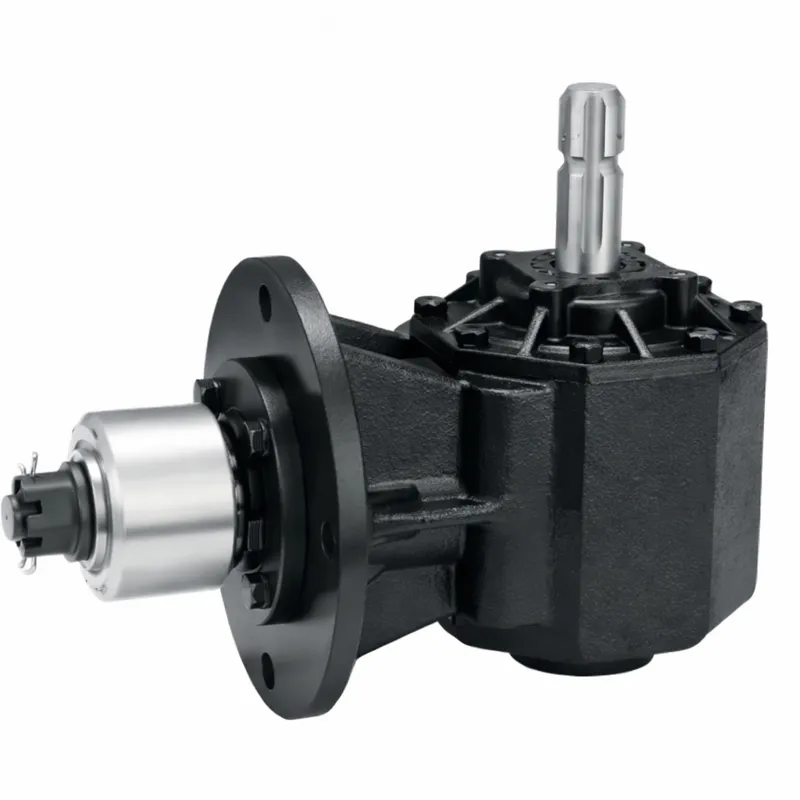
Our agricultural gearboxes are engineered to pair perfectly with our PTO shafts for matched torque ratings and minimal vibration across the full power range.
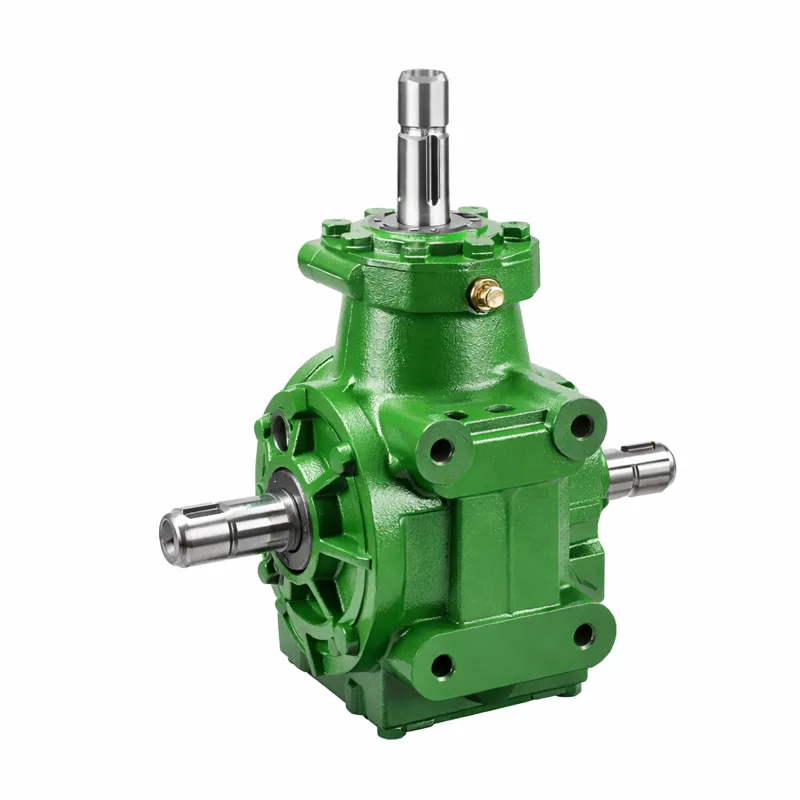
Agricultural Gearbox
Bevel, inline, and custom gearboxes for all drive configurations.
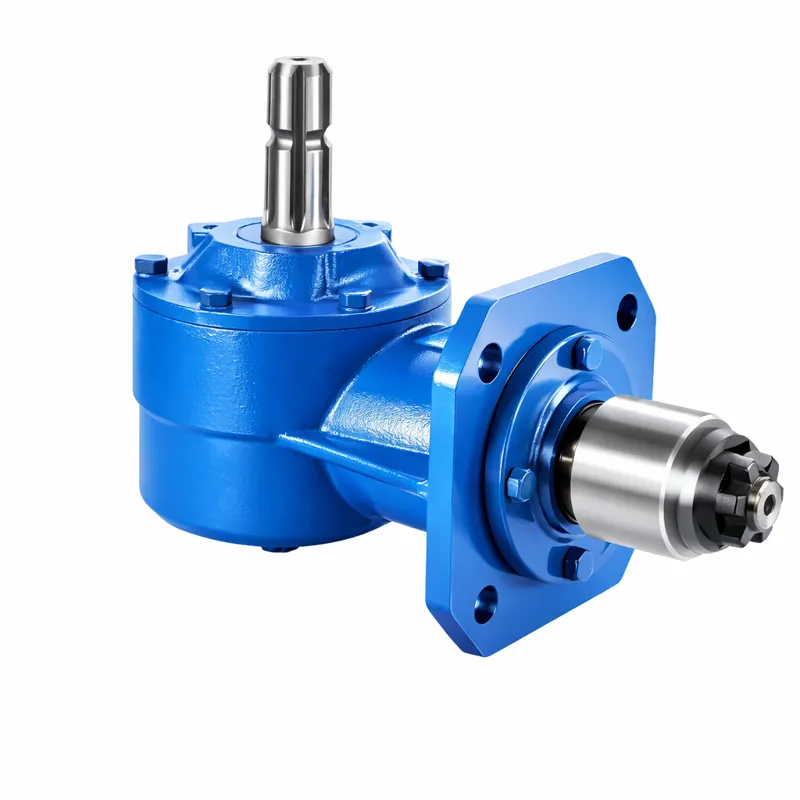
Cross-Kits & Clutch Parts
S6–S8 cross-kits, cam spring sets, Moly EP grease kits, and guard replacement cones.
Heavy-Wall Guards
6–7 mm wall PE guards for harvesting applications; chemical-resistant; UV-stabilised; tropical-grade.
Partner with Us
Source a Reliable PTO Shaft for Peanut Harvester — Contact Us Today
From urgent harvest-season breakdowns to long-term dealer or OEM supply agreements:
- ✅ Cross-reference confirmed before dispatch — guaranteed fit
- ✅ Custom lengths, splines, clutch settings, seal materials
- ✅ Volume and OEM pricing available
- ✅ Same-day dispatch on stocked configurations — express Australia-wide freight
- ✅ Full compliance documentation: CE, ISO certs, inspection reports