تفصیل
Agitators gearbox For Sewage EP22
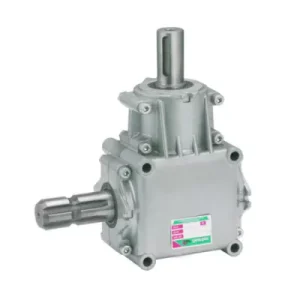
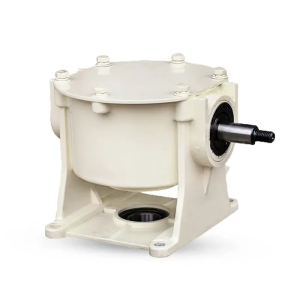
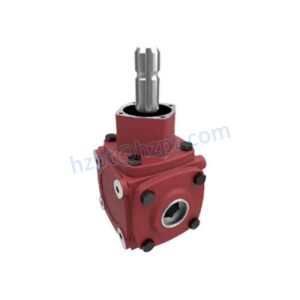
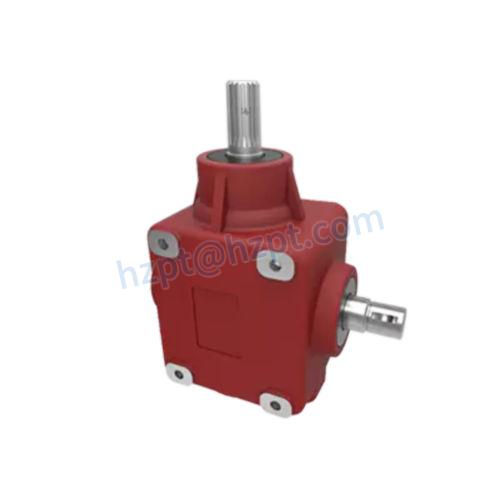
Agitator Gearbox for Agitator / Sewage Mixer — model EP22.
Detailed Technical Specifications — EP22
The Agitators gearbox For Sewage EP22 is engineered as a agitator gearbox for agitator / sewage mixer applications. Designed to drive mixing impellers in agitator and sewage treatment tanks, the unit covers 1–15 kW electric input ratings and is built for continuous heavy-load mixing.
| سیریز / ماڈل | EP22 |
|---|---|
| درخواست | Agitator / Sewage Mixer |
| گیئر کا تناسب | 1:1 1:1.25 |
| ان پٹ سپیڈ (RPM) | 540 RPM / 1000 RPM (منتخب) |
| ان پٹ شافٹ | Z W |
| آؤٹ پٹ شافٹ | ٹھوس کلید شافٹ Ø35 ملی میٹر |
| رنگ | درخواست پر اپنی مرضی کے مطابق RAL |
| سرٹیفیکیشن | ISO 9001:2015 کوالٹی سسٹم |
| وارنٹی | OEM معاہدے کے احکامات کے لئے 24 ماہ |
| پیکجنگ | Carton + foam insert + wooden pallet |
| اصل ملک | چین (برآمد فیکٹری) |
| گیئر کی قسم | Straight Bevel Gears |
| ریٹیڈ ان پٹ پاور | 20-60 HP |
| آؤٹ پٹ ٹارک (درجہ بندی) | 500 N·m – 1,200 N·m |
| میکس چوٹی ٹارک | 2.0 × ریٹیڈ |
| ٹرانسمیشن کی کارکردگی | ≥ 96% |
| شافٹ کی سمت | In-line (parallel) |
| بڑھتے ہوئے پیٹرن | 4 بولٹ مربع فلانج 100 × 100 ملی میٹر |
| پی ٹی او ان پٹ انٹرفیس | 1 3/8″ 6-spline (ASAE S203) |
| ہاؤسنگ میٹریل | Aluminum alloy ADC12 (lightweight) |
Engineering Features of the Agitator Gearbox
Each of the cards below describes a specific, measurable attribute of the EP22 unit. Generic claims have been kept out — every number here is tied to a manufacturing process or a verified test result.
مطابقت اور کراس حوالہ
The EP22 is designed as a drop-in or close-substitute fit for a number of OEM gearbox positions used on tractors and agitator / sewage mixer implements globally. The table below summarizes commonly cross-referenced brands. Final fitment must be verified by physical dimension matching.
| برانڈ | سامان کی حد | نوٹس |
|---|---|---|
| Deutz-Fahr | ٹریکٹر اور کمبائنز | کراس حوالہ؛ فلینج اور شافٹ کے طول و عرض سے تصدیق کریں۔ |
| لیمکن | کاشت کے اوزار | کراس حوالہ؛ فلینج اور شافٹ کے طول و عرض سے تصدیق کریں۔ |
| نیو ہالینڈ | ٹریکٹر، بیلر، کاٹنے والے | کراس حوالہ؛ فلینج اور شافٹ کے طول و عرض سے تصدیق کریں۔ |
| Claas | forage harvesters and balers | کراس حوالہ؛ فلینج اور شافٹ کے طول و عرض سے تصدیق کریں۔ |
| Vicon | fertilizer spreaders | کراس حوالہ؛ فلینج اور شافٹ کے طول و عرض سے تصدیق کریں۔ |
| Krone | forage harvesters | کراس حوالہ؛ فلینج اور شافٹ کے طول و عرض سے تصدیق کریں۔ |
دستیاب متبادل حصے (الگ الگ فروخت)
- سانس لینے والا پلگ
- ڈرین پلگ (مقناطیسی)
- بڑھتے ہوئے فلینج گسکیٹ
- Replacement housing (HT250)
- Bolt and washer kit
- ان پٹ پنین ذیلی اسمبلی
How to Select the Right Agitator Gearbox
Use the three-step approach below to match a EP22-class unit to your tractor and implement.
- پیمائش کریں۔ - اپنے ٹریکٹر کا PTO سٹینڈرڈ (540/1000 RPM، اسپلائن کاؤنٹ)، ان پٹ شافٹ کا قطر اور لمبائی، اور نفاذ کی ناک پر دستیاب بولٹ پیٹرن کو ریکارڈ کریں۔
- میچ — cross-check those measurements against the spec table for the EP22. The flange, shaft, and ratio need to all line up before moving on.
- بوجھ کے نیچے کی تصدیق کریں۔ - تصدیق کریں کہ ریٹیڈ ان پٹ پاور اور آؤٹ پٹ ٹارک آپ کی چوٹی آپریٹنگ حالت کے لیے کافی ہیں (مثلاً گیلی مٹی، گھنی فصل، کولڈ اسٹارٹ)۔
انتخاب کے معیار کی چیک لسٹ
| انتخاب کا معیار | فیصلہ کن نکات |
|---|---|
| لاگو کریں قسم → تناسب میچ | For agitator / sewage mixer, target gear ratio in the 1:20 – 1:60 range for correct rotor or output speed. |
| ٹریکٹر پاور بینڈ | Match input power rating to your tractor: 1–15 kW electric is the practical envelope for the EP22 family. |
| PTO رفتار (540 بمقابلہ 1000 RPM) | 100 HP سے کم ٹریکٹرز پر 540 RPM معیاری ہے۔ 100+ HP مشینوں پر 1000 RPM کو ترجیح دی جاتی ہے اور جہاں زیادہ پیداوار کی رفتار درکار ہوتی ہے۔ بتانے سے پہلے ٹریکٹر PTO آؤٹ پٹ کی تصدیق کریں۔ |
| ہاؤسنگ میٹریل | کاسٹ آئرن (HT250/QT500) بھاری مسلسل ڈیوٹی کے لیے؛ ایلومینیم مرکب جہاں وزن میں کمی اور گرمی کی تیزی سے کھپت کا معاملہ ہوتا ہے، مثلاً چھوٹے آلات کثرت سے منتقل ہوتے ہیں۔ |
| لے آؤٹ | دائیں زاویہ (90°) یونٹس PTO پاور کو کھڑے کام کے شافٹ پر ری ڈائریکٹ کرتے ہیں۔ ان لائن یونٹ شافٹ کی سیدھ کو برقرار رکھتے ہیں۔ نفاذ جیومیٹری کی بنیاد پر انتخاب کریں۔ |
| معیاری بمقابلہ اپنی مرضی کے مطابق | معیاری ماڈلز زیادہ تر OEM پوزیشنوں کا احاطہ کرتے ہیں۔ غیر معیاری تناسب کے لیے، خصوصی شافٹ اینڈز، بڑے سائز کے فلینجز، یا سخت ماحول کے چشموں کے لیے، حسب ضرورت تعمیر کا مطالبہ کریں۔ |
| شافٹ اینڈ انٹرفیس | اپنی ڈرائیو لائن کے خلاف ان پٹ PTO معیاری (6-spline، 21-spline، 20-spline) اور آؤٹ پٹ اینڈ (keyed، splined، flanged) کی تصدیق کریں اور لاگو کریں۔ |
| کام کرنے کا ماحول | تیز دھول، کیچڑ، نمک کے اسپرے، یا شدید سردی میں IP66-ریٹیڈ سیل، کم درجہ حرارت مصنوعی تیل، یا اینٹی کورروشن فنش کی ضرورت پڑسکتی ہے۔ |
عام ایپلی کیشنز اور پاور ٹرانسمیشن ٹاسکس
The EP22 is engineered for agitator / sewage mixer. The scenarios below describe the specific power-transmission tasks the gearbox is designed to handle, with details of mounting position, drive path, and the technical demand on the gear and bearing set.
Sewage Treatment Agitator
Drives a vertical impeller in a sewage tank. The high reduction ratio yields slow impeller speed and very high torque to mix dense organic matter.
Slurry Agitator
Drives an angled impeller in livestock slurry storage. Frequent on/off cycles place peak loads at startup.
انسٹالیشن اور کمیشننگ گائیڈ
Correct installation of the agitator gearbox is the single biggest factor in achieving the design service life. Follow the steps below, in order. Skipping or compressing any step usually shows up as oil leak, premature bearing failure, or noise within the first season.
- حفاظتی تیاری۔ ٹریکٹر کے انجن کو بند کریں، چابی کو ہٹا دیں، PTO کو منقطع کریں، پارکنگ بریک لگائیں، اور پہیوں کو چاک کریں۔ حفاظتی دستانے پہنیں اور آنکھوں کی حفاظت کریں۔ کسی بھی ڈرائیو ٹرین کے کام سے پہلے تصدیق کریں کہ عمل درآمد مستحکم سپورٹ پر ہے۔
- فٹنگ سے پہلے گیئر باکس کی تصدیق کریں۔ Check that the EP22 model number, input flange dimensions, and input/output shaft specifications match both your tractor PTO and the implement input shaft. Mismatched flange or spline patterns will not be corrected by force-fitting.
- چکنا کرنے والے مادے سے بھریں۔ پہلے استعمال سے پہلے، تیل کی سطح کی کھڑکی کے بیچ میں مخصوص چکنا کرنے والا — عام طور پر SAE 80W-90 GL-5 — سے بھریں۔ اپنے یونٹ کے لیے تیل کی صحیح گنجائش کے لیے مخصوص جدول سے رجوع کریں۔ انڈر فلنگ جلد بیئرنگ پہننے کا سبب بنتی ہے، زیادہ بھرنے سے تیل کا درجہ حرارت بڑھ جاتا ہے اور مہروں پر دباؤ پڑتا ہے۔
- بولٹ کو ماؤنٹ کریں اور ٹارک کریں۔ Bolt the gearbox flange to the implement using the OEM bolt set. Tighten in a diagonal pattern in three passes to the final torque (~ 110 N·m for M14 grade 8.8). Even loading prevents flange distortion and seal leak paths.
- ان پٹ PTO شافٹ کو جوڑیں۔ PTO ڈرائیو شافٹ یوک کو گیئر باکس ان پٹ شافٹ سے منسلک کریں۔ تصدیق کریں کہ لاکنگ پن یا پش پل کالر مکمل طور پر منسلک ہے۔ حفاظتی ڈھال کو ٹریکٹر کے ساتھ جڑی ہوئی دونوں برقرار رکھنے والی زنجیروں کے ساتھ دوبارہ جوڑیں اور شافٹ کے ساتھ کبھی نہ گھمائیں۔
- آؤٹ پٹ شافٹ کو جوڑیں۔ آؤٹ پٹ شافٹ کو امپلیمنٹ ورکنگ شافٹ میں سلائیڈ کریں، چابیاں یا اسپلائنز کو سیدھ میں رکھیں، اور فراہم کردہ برقرار رکھنے والے نٹ اور واشر کے ساتھ لاک کریں۔ تصدیق کریں کہ شافٹ اینڈ فلوٹ مینوفیکچرر کی رواداری کے اندر ہے - عام طور پر 0.05 ملی میٹر سے 0.20 ملی میٹر۔
- شافٹ کی سیدھ کو چیک کریں۔ گیئر باکس بولٹ اور شافٹ منسلک ہونے کے ساتھ، آہستہ آہستہ ہاتھ سے گھمائیں۔ ان پٹ اور آؤٹ پٹ پر کل رن آؤٹ (TIR) 0.10 ملی میٹر سے زیادہ نہیں ہونا چاہیے۔ کوئی بھی سخت جگہ یا قابل سماعت کھرچ ایک سیدھ کے مسئلے کی نشاندہی کرتا ہے جسے طاقت سے چلنے سے پہلے درست کرنا ضروری ہے۔
- بغیر لوڈ ٹیسٹ رن۔ PTO کو کم انجن RPM (540 RPM سے بیکار) پر پانچ سے دس منٹ کے لیے لگائیں۔ غیر معمولی شور کو سنیں، تیل کی رساو کو دیکھیں، اور گھر کا درجہ حرارت ہاتھ سے چیک کریں - یہ لمس کے لیے گرم ہونا چاہیے لیکن اتنا گرم نہیں ہونا چاہیے کہ تکلیف نہ ہو۔
- جزوی بوجھ کے تحت رن ان۔ ڈیوٹی کے پہلے 50 گھنٹے کے لیے، فل ریٹیڈ لوڈ سے گریز کریں۔ رفتار میں فرق کریں اور گیئر کے دانتوں اور بیرنگ کو سیٹ کرنے کے لیے ہلکے سے لوڈ کریں۔ رن ان پیریڈ کے بعد، چکنا کرنے والے کو نکال دیں — اس میں مائکروسکوپک بریک ان پارٹیکلز ہوں گے — اور اسی گریڈ کے تازہ تیل سے دوبارہ بھریں۔
- بحالی کا شیڈول مرتب کریں۔ بھاری استعمال کے دوران ہر 200 کام کے اوقات میں یا ہفتہ وار تیل کی سطح کا معائنہ کریں۔ گیئر آئل کو ہر 500 گھنٹے میں یا ایک بار فی سیزن، جو بھی پہلے آئے، نکالیں اور تبدیل کریں۔ ہر شفٹ کے بعد ہاؤسنگ کے بیرونی حصے کو صاف کریں تاکہ مٹی کی تعمیر کو روکا جا سکے جو سیلوں کے خلاف نمی کو پھنساتی ہے۔
Our Agitator Gearbox vs. Low-Quality Alternatives
Not every gearbox sold as an “agricultural” unit is engineered for the job. The dimensions below compare the EP22 class build to the typical low-cost imported alternative.
| طول و عرض | کم معیار کا یونٹ | ہماری تعمیر | صارف کا فائدہ |
|---|---|---|---|
| بیک لیش کنٹرول | ہاتھ سے فٹ، متضاد یونٹ سے یونٹ | اسمبلی میں جگ سیٹ ±0.02 ملی میٹر | ہموار دانت سے رابطہ، متوقع ڈرائیو کا احساس۔ |
| سطح کی حفاظت | سنگل کوٹ انامیل، نمک کے ماحول میں چھلکے | زنک فاسفیٹ بیس + بیکڈ ایپوکسی، ≥ 480 H نمک سپرے | ساحلی اور موسم سرما کے استعمال میں کاسمیٹک اور ساختی تحفظ۔ |
| تھرمل ہیڈ روم | مکمل بوجھ کے قریب ہاٹ اسپاٹ کا خطرہ | تصدیق شدہ temp-rise ٹیسٹوں کے ساتھ مسلسل ڈیوٹی کی درجہ بندی کی گئی ہے۔ | سارا دن ریٹیڈ لوڈ پر چلنا محفوظ ہے۔ |
| رن ان ٹیسٹنگ | کوئی نہیں - جمع کے طور پر جہاز | 30 منٹ کا نو لوڈ رن ان، صوتی دستخط فی یونٹ ریکارڈ کیا گیا۔ | یونٹ پلانٹ چھوڑنے سے پہلے اسمبلی کی خرابیوں کو پکڑتا ہے۔ |
| سروس کی زندگی کی توقع | شور / لیک ظاہر ہونے سے پہلے ایک سیزن | ≥ صحیح دیکھ بھال کے تحت 5 سیزن | آپریشن کے فی گھنٹہ کم لائف سائیکل لاگت۔ |
| دستاویزی | عام انسٹرکشن شیٹ | ردعمل، ٹارک، رن ان شور کے ساتھ فی یونٹ معائنہ کارڈ | اگر کوئی وارنٹی واقعہ پیش آتا ہے تو مکمل ٹریس ایبلٹی۔ |
| فروخت کے بعد سپورٹ | صرف رعایتی، کوئی انجینئرنگ رابطہ نہیں۔ | براہ راست فیکٹری سپورٹ، 24 گھنٹے تکنیکی جواب | اگر فیلڈ کا مسئلہ ظاہر ہوتا ہے تو تیز تر حل۔ |
| گیئر مواد | سادہ 45# سٹیل، کوئی گرمی کا علاج نہیں | 20CrMnTi، کاربرائزڈ اور بجھا ہوا، HRC 58–62 سطح | عام PTO بوجھ کے تحت ٹرپلز گیئر لائف۔ |
| ہاؤسنگ میٹریل | پتلی دیوار HT150 گرے آئرن، کریکنگ کا شکار ہے۔ | QT500-7, wall thickness ≥ 8 mm, tensile ≥ 250 MPa | ساختی ناکامی کے بغیر پتھروں اور سٹمپوں سے جھٹکوں کے بوجھ سے بچتا ہے۔ |
اکثر پوچھے گئے سوالات
Common questions from buyers evaluating the EP22 for their fleet or implement build. If your situation is not covered, send us the details and we will respond within one working day.
کیا ہاؤسنگ ایلومینیم ہے یا کاسٹ آئرن - اور کون سا بہتر ہے؟
کیا میں فیلڈ میں گیئر باکس سیل یا بیرنگ بدل سکتا ہوں؟
شور کی سطح کیا ہے اور اس کی پیمائش کیسے کی جاتی ہے؟
کیا آپ ہر یونٹ کے ساتھ ٹیسٹ رپورٹ یا کوالٹی سرٹیفکیٹ فراہم کرتے ہیں؟
ٹرانزٹ کو پہنچنے والے نقصان کو روکنے کے لیے میں شپمنٹ کے دوران گیئر باکس کو کیسے ہینڈل کروں؟
فیلڈ سے کسٹمر کی رائے
Selected feedback from operators using the EP22 or related units in commercial agitator / sewage mixer duty across multiple countries. Names are anonymized using city + initials for privacy.
ساتھی مصنوعات اور ڈرائیو ٹرین کے لوازمات
A agitator gearbox usually sits in the middle of a longer drivetrain. The items below complete the typical agricultural power-transmission package.
سرٹیفیکیشن اور معیار کے معیارات
- ISO 9001:2015 - کوالٹی مینجمنٹ سسٹم جس میں ڈیزائن، مینوفیکچرنگ، اور معائنہ کے عمل شامل ہیں۔
- آئی ایس او 6336 - بیلناکار اور بیول گیئرز کے بوجھ کی گنجائش کے حساب کتاب کے لیے حوالہ معیار۔
- دین 3960 / دین 3961 - ٹوتھ پروفائل اور درستگی کی کلاس کی تعریفیں جو گیئر کوالٹی گریڈنگ کے لیے استعمال ہوتی ہیں۔
- EN ISO 11684 - زرعی مشینری کے لیے تصویری حفاظتی نشانات اور انتباہی نشان۔
- سی ای مارکنگ EU مشینری ڈائرکٹیو 2006/42/EC کے ساتھ مطابقت جہاں قابل اطلاق ہو۔
- AS 4024 — آسٹریلوی مشینری سیفٹی فریم ورک — AU فارموں کے لیے پابند OEM یونٹس کے لیے حوالہ دیا گیا ہے۔
- مواد کی تصدیق - گیئر اور شافٹ مرکب کے لئے مل سرٹیفکیٹ؛ فی بیچ فائل پر سختی، ساخت، اور میٹالوگرافک ڈیٹا۔
آؤٹ گوئنگ انسپیکشن ورک فلو
ہر بیچ گزرتا ہے: آنے والا خام مال معائنہ → جعل سازی اور مشینی فرسٹ آرٹیکل چیک → ہیٹ ٹریٹمنٹ سختی کا نمونہ ٹیسٹ → کلینگنبرگ کلاس ٹیسٹرز پر گیئر درستگی کی پیمائش → اسمبلی ٹارک کی توثیق → بغیر لوڈ رن ان اور صوتی ریکارڈ → فائنل ویژول اور پیک چیک۔ معائنہ کے ریکارڈ کارٹن کے ساتھ سفر کرتے ہیں۔
آسٹریلوی خریداروں کے لیے نوٹس
Units shipped into Australia for use on commercial farms should be reviewed against the relevant state WHS (Work Health and Safety) requirements and the agitator gearbox fitted with all guards specified by the implement OEM. Common search terms used by Australian buyers include زرعی گیئر باکس آسٹریلیا, فارم گیئر باکس سپلائر آسٹریلیا, کوئنز لینڈ ٹریکٹر کے پرزے, NSW فارم کا سامان، اور وکٹوریہ زرعی مشینری - ہمیں اپنی ریاست اور مطلوبہ نفاذ کے بارے میں بتائیں اور ہم مماثل ترتیب کی سفارش کریں گے۔
ہم سے کیوں خریدیں - فیکٹری اور برانڈ کی طاقت
فیکٹری پس منظر
We have been manufacturing agricultural gearboxes including the agitator gearbox family at our facility for over a decade. The plant covers a substantial machining and assembly area with dedicated heat-treatment, gear-cutting, gear-grinding, and final-assembly bays, and a year-round skilled workforce in production and quality.
پیداواری صلاحیت
سالانہ صلاحیت پورے کیٹلاگ میں دسیوں ہزار یونٹس پر محیط ہے۔ اہم سازوسامان میں CNC گیئر ہوبنگ سینٹرز، CNC گیئر گرائنڈرز، سیل بند بجھانے والی ہیٹ ٹریٹمنٹ فرنس، تھری کوآرڈینیٹ میجرنگ مشینیں (سی ایم ایم)، گیئر ٹوتھ کانٹیکٹ ٹیسٹرز، اور مخصوص رن ان ٹیسٹ اسٹینڈز شامل ہیں۔ مقبول ترین ماڈلز کے لیے ٹولنگ اور ڈیز کو اسٹینڈ بائی پر رکھا جاتا ہے تاکہ دوبارہ آرڈر پر ردعمل کا وقت کم کیا جا سکے۔
زیر اثر برآمد کریں۔
ہم فی الحال آسٹریلیا، شمالی امریکہ، یورپ اور جنوب مشرقی ایشیا میں بنیادی منڈیوں کے ساتھ درجنوں ممالک کو برآمد کرتے ہیں۔ بین الاقوامی خریداروں کے ذریعہ استعمال ہونے والی عام تلاش کی اصطلاحات شامل ہیں۔ زرعی گیئر باکس بنانے والا چین, کسٹم فارم گیئر باکس سپلائر، اور OEM گیئر باکس فیکٹری — اور ہماری سیلز ٹیم انگریزی میں ڈرائنگ کے جائزوں اور تکنیکی گفتگو کو سنبھالنے کے لیے ترتیب دی گئی ہے۔
OEM / ODM صلاحیت
ہمارا معیاری حسب ضرورت بہاؤ یہ ہے: ڈرائنگ یا نمونہ جمع کرنا → انجینئرنگ کا جائزہ اور اقتباس → 3D ماڈل اور پروٹوٹائپ ٹولنگ سائن آف → پہلا آرٹیکل نمونہ → چھوٹا پائلٹ بیچ → سیریل پروڈکشن۔ نئے ٹولنگ کے لیے لیڈ ٹائم عام طور پر 30-60 دن چلتا ہے۔ ریپیٹ بلڈز 20-30 دنوں کے اندر چلتے ہیں۔
MOQ اور لیڈ ٹائم
معیاری کیٹلاگ ماڈل: ایک کارٹن سے MOQ (سائز کے لحاظ سے 5-50 یونٹس)۔ اپنی مرضی کے مطابق تعمیرات: عام MOQ 50 یونٹس۔ اسٹاک آئٹمز کے لیے معیاری لیڈ ٹائم 7–15 دن، حسب ضرورت پہلے رنز کے لیے 30–45 دن۔
کوالٹی کنٹرول
ہر بیچ ISO 9001:2015 کے زیر انتظام معائنہ، خام مال کی ساخت اور سختی کی جانچ، عمل میں گیئر کی درستگی کی تصدیق، فائنل اسمبلی ٹارک سائن آف، اور فی یونٹ ریکارڈ کردہ 30 منٹ کے بغیر لوڈ رن ان ٹیسٹ سے گزرتا ہے۔
فروخت کے بعد
کاریگری پر 12 ماہ کی معیاری وارنٹی؛ OEM معاہدوں کے لیے توسیعی وارنٹی۔ 24 گھنٹوں کے اندر تکنیکی ای میل کا جواب، اور درست وارنٹی کیسز کے لیے کام کے دنوں میں متبادل حصے بھیجے گئے۔
Ready to spec your fleet?
Tell us your tractor model, implement type, and quantity needed — we will respond inside 24 hours with a quote and lead time.
ہم معیاری زرعی گیئر باکس کی فراہمی سے زیادہ کام کرتے ہیں۔ ہمیں اپنی ڈرائنگ، نمونے، یا یہاں تک کہ کوئی کھردرا خاکہ بھی لائیں — ہماری انجینئرنگ ٹیم آپ کے عین مطابق اطلاق کے مطابق ایک درست گیئر باکس حل ڈیزائن اور تیار کرے گی۔
⏱️ ہم 24 گھنٹوں کے اندر جواب دیتے ہیں۔ · ️ 12 ماہ کی معیاری وارنٹی · ISO 9001:2015 مصدقہ پیداوار · آسٹریلیا کو براہ راست ترسیل سمیت زرعی گیئر باکس ایکسپورٹ کے سالوں کا تجربہ۔