Straw Chopper Gearbox Selection & Supply for Australian Farms
If you operate or build straw chopper equipment in Australia, the wrong gearbox specification will cost you mid-season. This article walks through what makes a straw chopper gearbox different from a generic farm gearbox, what the most common failure points look like in Australian conditions, and how to specify the right unit the first time. Particular focus is given to extreme blade-tip wind resistance under continuous duty, dust and stubble debris ingress, and high-rpm operation challenging bearing life.

应用场景及澳大利亚痛点
Typical Straw Chopper Equipment We Supply Gearboxes For
澳大利亚区域报道
Our straw chopper gearboxes are in active service across the following Australian regions, where field conditions create distinct technical demands:
Common Failure Modes in Australian Straw Chopper Operations
Years of analysing returned units from Australian operators has identified these as the dominant failure modes for straw chopper gearboxes:
- !high-rpm bearing fatigue
- !stubble dust ingress past primary seals
- !rotor imbalance creating cyclic loading
Need a gearbox specified to your exact straw chopper equipment?
技术规格及选型指南
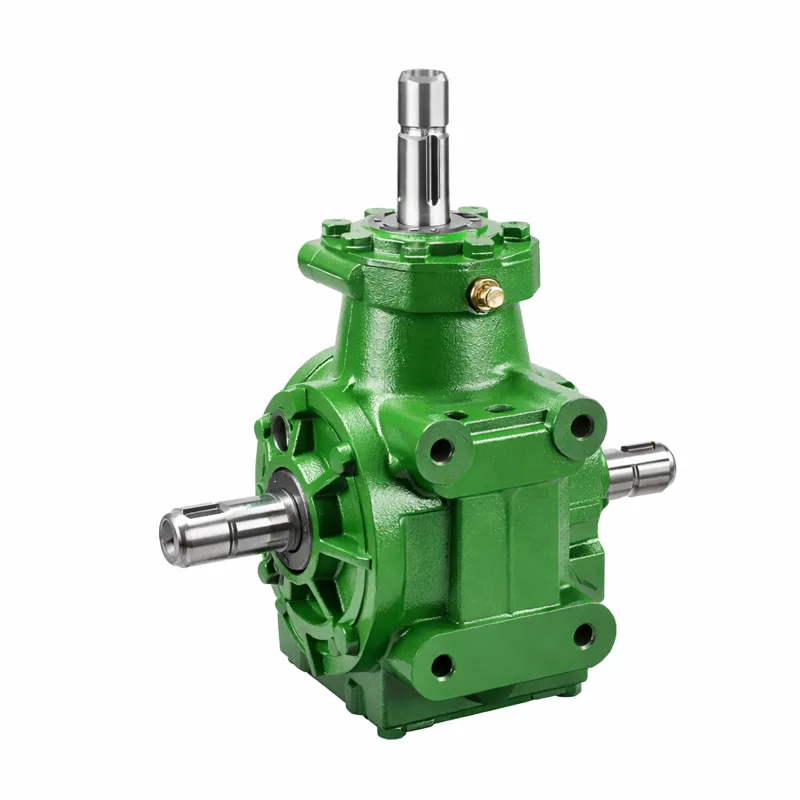
工程参考规范
The following parameters represent the typical specification range for straw chopper gearboxes supplied to Australian customers. Custom configurations are available on request.
关键参数表
| 范围 | 规格 | Why It Matters for Straw Chopper |
|---|---|---|
| 输入速度 | 1000 rpm | 影响齿轮节线速度和润滑状态 |
| 比率 | 1:1.46 step-up | 将输入转速与所需的输出转速相匹配。 |
| 持续扭矩 | 420 Nm | 判断变速箱能否承受连续运转 |
| 服务系数 | 2.0 | Critical for straw chopper shock loading conditions |
| 房屋材料 | ductile iron with cooling fins | 影响强度和耐腐蚀性 |
| 大约重量 | 44 kg | 影响安装要求和现场操作 |
| 轴配置 | 实心、空心、花键、键槽(可配置) | 必须符合实现耦合规范 |
逐步选择工作流程
- 确认输入速度 — 确认您的拖拉机动力输出轴 (PTO) 转速是 540 转/分还是 1000 转/分(或前动力输出轴,如果适用)
- 计算所需输出 — the implement manufacturer typically specifies the output rpm and torque required at the straw chopper drive shaft
- 应用正确的服务系数 — for straw chopper duty we recommend at least 2.0 due to the loading characteristics described above
- 匹配轴配置 — 确认输入轴和输出轴的花键样式、键槽尺寸和轴长
- 指定安装方向 水平、垂直或倾斜安装方式会影响油位和密封件的选择。
- 定义环境密封 — 基于您运营中预计会遇到的粉尘、湿气和化学品暴露情况
- 验证润滑兼容性 — 确认推荐的机油等级符合您的保养程序
避免常见的选择错误
Bevel vs Worm vs Helical: Which for Straw Chopper?
| 类型 | Best for Straw Chopper? | 优势 | 弱点 |
|---|---|---|---|
| 螺旋斜面 | Most straw chopper duty | 90度功率传输,高效,坚固耐用 | 比直斜面更贵 |
| 蠕虫 | 高减速比保持载荷 | 自锁式,传动比极高,结构紧凑 | 效率低,产生热量 |
| 螺旋 | 直列轴应用 | 运行安静,动力输出平稳 | 无斜面阶段,无90度偏转 |
Not sure which model fits your specific straw chopper machinery?
Installation & Service Routine for Straw Chopper Gearboxes
Correct service routine extends straw chopper gearbox life by a factor of three to five compared to neglected units. Australian operating conditions — heat, dust, abrasive soils — make adherence to the schedule below particularly important.
逐步安装顺序
- 核实发货条件 — 确认轴旋转顺畅,检查壳体是否有运输损坏,并确认油位视窗内是否有油。
- 确认安装对准情况 — bring the straw chopper gearbox to its mating flange ensuring less than 0.10 mm radial offset from the driving shaft centre line
- 按制造商扭矩拧紧螺栓 — 在安装螺栓上使用螺纹锁固剂,并按交叉顺序拧紧至规定的扭矩值。
- 将输入动力输出轴 (PTO) 与已验证的样条匹配连接 — 确认 1-3/8 英寸 6 齿花键或 1-3/4 英寸 20 齿花键是否与您的拖拉机动力输出轴 (PTO) 匹配。
- 正确安装呼吸器 — 最高位置,配备适用于澳大利亚条件的防尘过滤器
- 冷机状态下检查机油油位 —切勿在油温热时加注;热油会膨胀,加注过量会导致密封件挤出。
- 怠速运转 5 分钟 — confirm no abnormal noise, vibration or temperature rise before full straw chopper loading
- 首次使用 8 小时后重新检查机油油位 — 如发现任何石油消耗,请及时补充。
润滑剂选择:EP90 vs EP140 vs 合成润滑剂
| 年级 | Best For Straw Chopper Duty | 保养间隔 |
|---|---|---|
| EP90 GL-5 | Cool-climate straw chopper duty, intermittent operation | 每年250小时 |
| EP140 GL-5 | Hot-climate straw chopper operation, sustained loading | 250 小时或季节性 |
| 合成SHC 220 | Continuous high-load straw chopper duty, premium service life | 500 小时或 24 个月 |
Maintenance Calendar: Straw Chopper Gearboxes
每日术前准备
绕车检查,目视检查密封件,在动力输出轴啮合时注意是否有异常噪音
50小时快速检查
冷态油位、通气孔状况、输入轴花键接口处磨损
250小时服务
排空并重新加注机油,更换通气阀,测量输入轴轴向间隙,检查安装螺栓是否松动。
年度研讨会服务
完全拆解、更换密封件、检查齿轮间隙、检查外壳、重新喷漆
Field Diagnostics for Straw Chopper Operations
Real Australian Field Cases for Straw Chopper Gearboxes
The following case studies are drawn from active service records of Australian customers across straw chopper applications. Each illustrates a specific engineering challenge and the technical solution that resolved it. To learn more about the manufacturing capability behind these solutions, see our 完整的农业零部件目录和功能概述.
Case 1: Cunderdin, WA
Equipment: trailed straw chopper
挑战: high-rpm bearing fatigue after 800 hours
解决方案: upgraded to high-precision angular contact bearings with synthetic grease
结果: bearing service life increased over 3 times
Case 2: Horsham, Victoria
Equipment: stubble chopper
挑战: stubble dust ingress causing seal binding
解决方案: triple-stage labyrinth seal with positive air-purge
结果: no seal binding events through entire post-harvest program
Case 3: Liverpool Plains, NSW
Equipment: 3-point straw shredder
挑战: rotor imbalance creating bearing wear
解决方案: dynamic balance to G6.3 grade with vibration-rated bearings
结果: vibration reduced 65% and bearing life extended
Case 4: Esperance, WA
Equipment: field straw mulcher
挑战: external paint scoured by stubble impact
解决方案: high-build polyurethane paint with ceramic-bead reinforcement
结果: external coating intact after extensive shredding service
Case 5: Roma, QLD
Equipment: row-mounted straw shredder
挑战: PTO input wear from continuous heavy-duty operation
解决方案: case-carburised input spline with reinforced spline section
结果: spline condition unchanged after two full post-harvest seasons
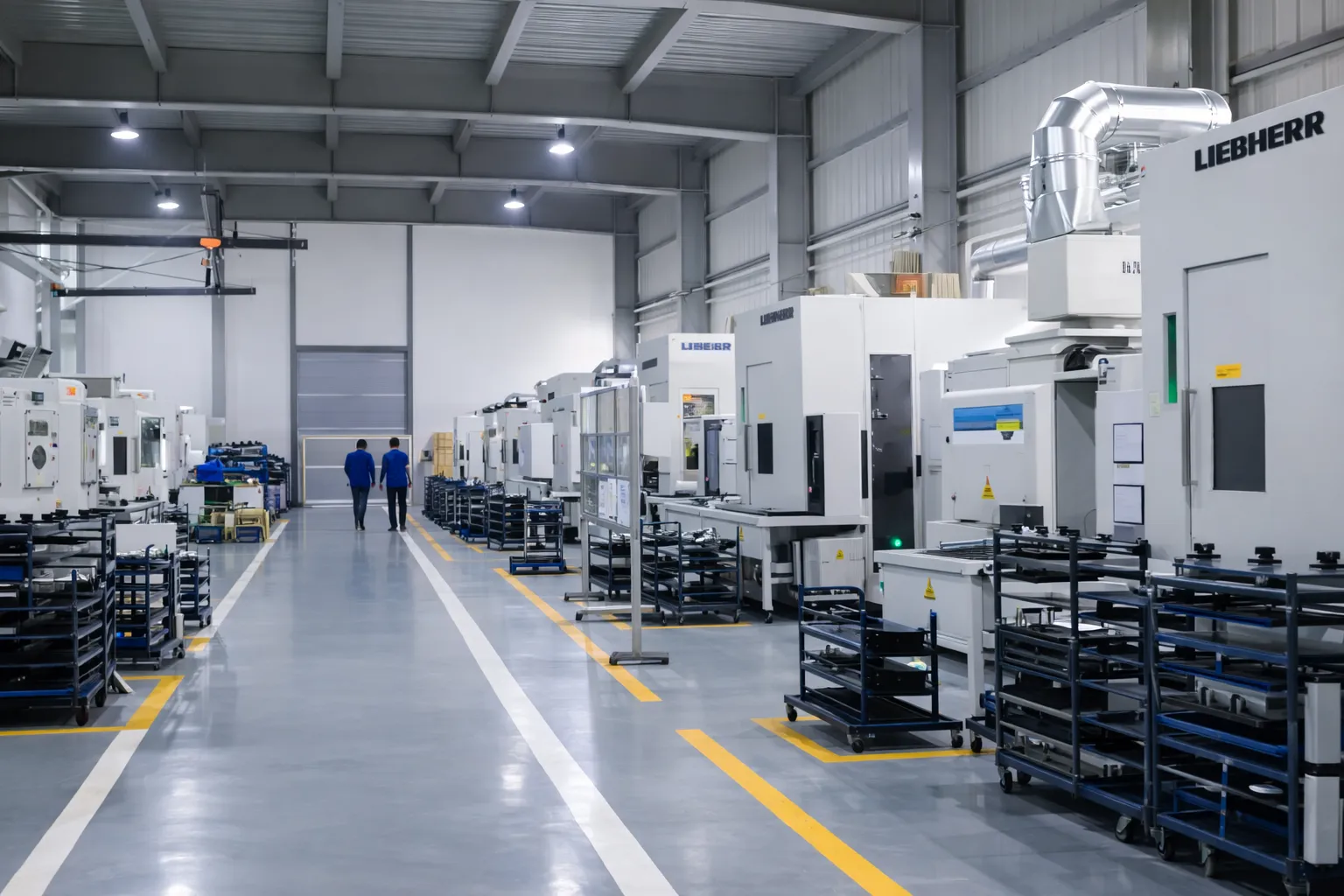
Driveline Components: PTO Shaft for Straw Chopper
Many of our Australian customers source the gearbox and matched PTO shaft as a single complete driveline package. This eliminates dimensional mismatch and provides single-point warranty coverage for the entire straw chopper drive system.
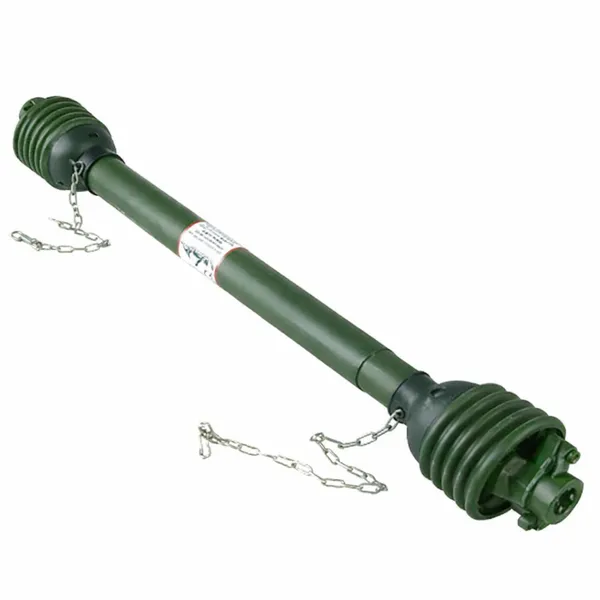
Why Australian Straw Chopper Operators Trust Our Gearboxes
澳大利亚客户反馈
“We swapped our straw chopper gearbox supply across our trailed straw choppers fleet in WA wheatbelt. Build quality and Australian field-spec design eliminated the seasonal failures we used to have. Engineering team understood our operating conditions immediately.”
我们的制造能力包括内部锻造、数控加工、齿轮切削和磨削、全套热处理生产线以及配备试运行测试的装配单元。如需了解更多关于我们完整制造能力的信息,请联系我们。 请访问我们的公司联系方式和能力页面. Our engineering team includes qualified agricultural mechanical engineers averaging over 15 years of straw chopper industry experience.
Frequently Asked Questions: Straw Chopper Gearboxes
Frequently raised questions during straw chopper gearbox specification calls with Australian customers:
Next Step: Specify Your Straw Chopper Gearbox
适用于已准备好规格说明的买家
Send us your required ratio, mounting orientation, shaft configuration and operating conditions for your trailed straw choppers. We respond with a written quotation and full technical data.
想在批量供货前对产品进行评估吗?
直接联系方式: [email protected] · 澳大利亚全境配送