PTO Shaft for Hay Rake — Smooth Rotary Drive for Perfect Windrow Formation
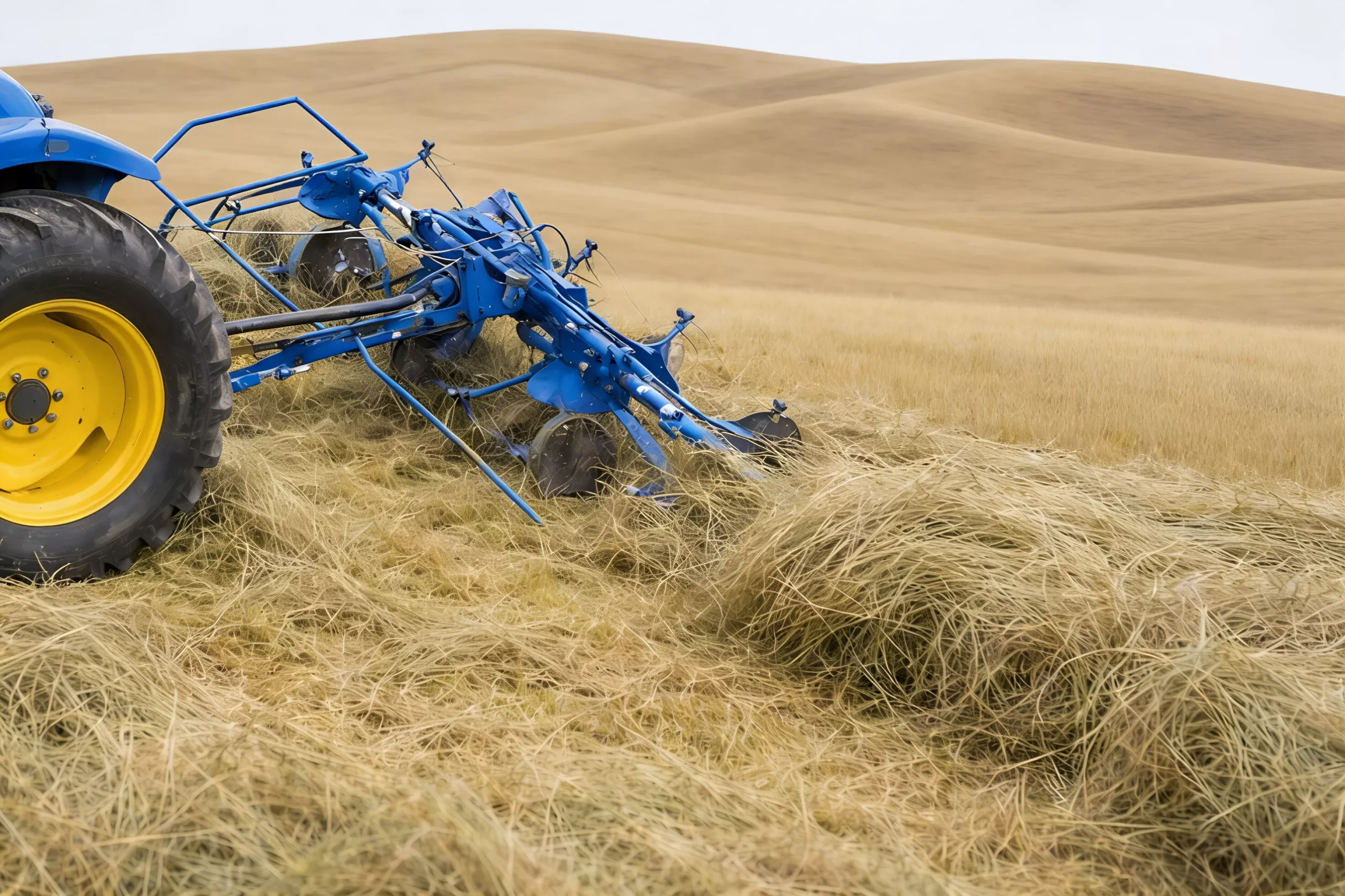
The hay rake PTO shaft — also known as a rotary rake driveshaft, tedder rake cardan shaft, or windrower PTO driveline — powers the rotary tine mechanism that gathers cut grass, lucerne, and cereal hay into clean windrows ready for baling. Whether you operate a single-rotor side-delivery rake, a twin-rotor centre-delivery raking unit, or a large carousel tedder-rake combination, the PTO shaft is the single component that determines whether your rotors turn at the consistent speed needed for even, clean windrows — or deliver the variable output that creates ragged rows and baler feeding problems.
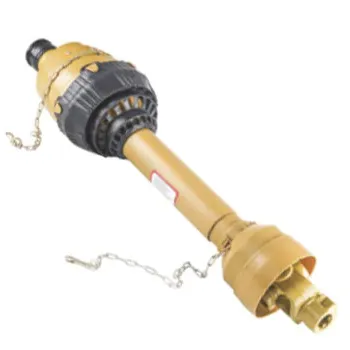
Hay rake PTO shafts are among the lightest-loaded in agricultural machinery — rotor resistance is low and consistent, load spikes are uncommon, and working speeds are moderate. This means the shaft specification can be kept lean and lightweight, with the primary engineering focus on precise balance (for consistent rotor speed), CV joint geometry (rakes articulate significantly as they follow terrain), and lightweight construction (to minimise hitch loading on the relatively light tractors used for raking). Our hay rake PTO shaft (Series 3/4) is precision-balanced and engineered for the specific geometry of rotary raking machinery.
View our full hay and forage equipment PTO shaft range or 联系我们 for rake driveline selection.
Technical Specifications — PTO Shaft for Hay Rake
| Parameter | Standard Value | Customisable Range |
|---|---|---|
| Series | Series 3 / Series 4 | Series 2–4 |
| PTO Speed | 540 RPM | 540 RPM |
| Power Rating | Up to 25 kW | 5–45 kW |
| Continuous Torque | 300 N·m | 60–600 N·m |
| Compressed Length | 560–780 mm | 400–1,400 mm |
| Extended Length | 880–1,280 mm | 600–1,900 mm |
| Tube Profile | Lemon / Triangular | Lemon / Tri |
| CV Joint | Standard (±30°) at tractor end | CV ±25° to ±35° |
| Working Angle | ±30° | ±25° to ±35° |
| Input Spline | 1-3/8″ × 6 spline | 1-3/8″×6 / 1-3/8″×21 |
| Output Spline | 1-3/8″ × 6 | Custom |
| Overload Protection | Friction clutch (light) | Friction / Shear bolt |
| Slip Torque | 220–380 N·m | 60–600 N·m |
| Guard Type | PE half-cone lightweight | Half / Full cone PE |
| Guard Weight | 0.7 kg | 0.4–1.8 kg |
| Shaft Weight | 2.6 kg | 1.5–5.5 kg |
| Balance Class | ISO G6.3 at 540 RPM | G6.3 / G2.5 |
| Grease Interval | Every 8–16 hours | 8–25 hrs |
| Surface Finish | Zinc plate | Zinc / Enamel |
| Yoke Material | Forged 20CrMnTi | 20CrMnTi / 40Cr |
| Temp Range | -25 °C to +75 °C | -40 °C to +90 °C |
Working Principle of the Hay Rake PTO Shaft
In a rotary rake, the PTO shaft drives a central gearbox (or directly a shaft journal in simpler designs) that rotates a horizontal rake rotor carrying multiple tine arms radially outward. As the tractor moves forward, the spinning rotor sweeps cut material into a windrow to one side (side delivery) or between two rotors (centre delivery). Rotor speed determines the lateral discharge velocity of the material — too slow and material piles against the rotor; too fast and material is scattered wide of the intended windrow line. Consistent 540 RPM PTO input is the key operational requirement.
The load on a hay rake shaft is among the lightest in PTO-driven machinery — the tine resistance is minimal, and the main mechanical demand is simply the rotational inertia of the rake rotor assembly. The primary protection need is against the occasional buried fence post or dense clump of wet material that momentarily overloads the rotor. The light friction clutch on our rake shaft provides this protection while being calibrated low enough to actually engage before the rotor or gearbox suffers damage.
Core Advantages of Our PTO Shaft for Hay Rake
Precision Balanced for Windrow Quality
G6.3 balance at 540 RPM ensures consistent rotor speed across the full working day — directly controlling windrow evenness and density that determines baler feeding quality.
Lightest-Weight Specification
At 2.6 kg assembled, this is our lightest heavy-duty shaft — minimising the rear hitch loading that affects tractor front axle stability on the typically 40–75 HP tractors used for hay raking.
CV Geometry for Terrain Following
±30° CV joint accommodates the terrain-following movement of modern wide-spread rakes as they follow paddock undulations without causing speed ripple in the rotor.
Ultra-Light Friction Clutch
220–380 N·m slip setting — genuinely calibrated for rake duty, not a generic clutch set too high. A correctly set light clutch actually protects the rake rotor gearbox; an over-set clutch passes damage through without engaging.
Hay Season Stock Priority
Series 3/4 hay rake shaft configurations are among our highest-stocked items during the spring-summer hay season — same-day dispatch on standard configurations.
Twin-Rotor Rake Compatibility
Stock and custom configurations for single-rotor, twin-rotor, and carousel rake models — including the non-standard short shaft lengths required for twin-rotor centre-delivery machines.
Brand Compatibility & Cross-References
Direct drop-in replacement for OEM shafts on: Kuhn, Claas, Pöttinger, Kverneland, Fella, Lely, Fendt, New Holland, Vicon. 12,000+ cross-references verified before dispatch.
⚠️ Brand names cited for parts-compatibility identification only. No commercial affiliation claimed.
Spare parts stocked: S3–S8 cross-kits (standard / IP55 / IP67 / acid-rated / Moly) · Cam spring sets · Friction disc sets · Acid-resistant PE guards · Retaining chains & SS straps · Yoke collars
→ Browse all PTO shaft accessories
Compliance & Regional Demand
Standards & Regulations: Standards: ISO 5673-1:2014, AS 4024.3601. Hay quality: the PTO shaft’s role in consistent rotor speed directly affects dry matter loss (field losses) which is a hay quality metric in dairy and feedlot hay supply contracts. Organic hay: no specific shaft requirements for organic certification but chemical-free machinery is implicit — standard steel/PE materials are compatible.
Key Demand Regions: Nationwide hay production: Riverina NSW (lucerne), Wimmera VIC (cereal hay), Darling Downs QLD, Murray Valley SA, Northam WA, Central Queensland, King Island TAS.
CE Declaration, ISO material certs, and dimensional inspection reports supplied with every shaft. GST-inclusive AUD invoicing.
Quick Selection Guide
| Parameter | How to Determine | Guidance |
|---|---|---|
| Rake type | Single-rotor / Twin-rotor / Carousel | Twin-rotor: note shaft may be short — measure carefully |
| Rake working width | 3.0–12.0 m | Wider rake = more rotor inertia = still Series 3/4 for most models |
| PTO speed | 540 RPM | All standard rakes |
| Tractor size | 40–75 HP typical | Confirm spline: most raking tractors are 1-3/8″×6 |
| Terrain | Flat / Rolling | Rolling terrain: CV joint essential for terrain following |
| Storage condition | Shed / Outdoor | Outdoor: specify UV-stable guard if exposed off-season |
Installation Guide — PTO Shaft for Hay Rake
- [Safety] Engine off, handbrake. Rake tines can cause injury — keep clear of rotor during installation.
- [Setup] Mount rake on 3PL or hitch; lower rotor to working position; measure shaft gap.
- [Tractor yoke] Install tractor CV yoke; engage locking pin.
- [Machine yoke] Install machine yoke onto rake gearbox; torque collar to 20–24 N·m.
- [Travel check] Verify shaft through full terrain-following travel range — rakes move significantly.
- [Guard] Fit lightweight half-cone guard; attach strap to tractor lower link.
- [Initial run] Engage PTO at low throttle; verify rotor spinning smoothly before entering cut hay.
- [Service] Grease at 8–16 hour intervals; inspect guard strap at each session.

️ Troubleshooting
⚠️ Windrow uneven — thin patches correlating with tractor position
Root Cause: Rotor speed varying with terrain — shaft angle too high at undulations
Fix: Check maximum terrain angle; upgrade to CV joint if >20°; reduce working speed over sharp undulations
⚠️ Tines throwing material too wide on one side
Root Cause: Rotor speed above target — PTO engagement at full throttle
Fix: Engage PTO at reduced throttle; set standard 540 RPM and do not over-throttle
⚠️ Friction clutch slipping under light hay load
Root Cause: Clutch spring tension too low; discs worn smooth
Fix: Increase preload slightly; replace disc set; verify correct spring-type for Series 3/4
⚠️ Shaft rattling at operating speed
Root Cause: Worn cross-joint with play; loose yoke collar
Fix: Replace cross-kit if any play detected; re-torque collar
⚠️ Guard strap breaking regularly
Root Cause: Low-quality strap; hay material wrapping strap and applying tension
Fix: Replace with UV-stable reinforced strap; route strap clear of rotor trajectory
Australian Case Studies
Griffith, NSW
Lucerne hay — Pöttinger HIT 690 twin-rotor rake
“”Lucerne raking requires very consistent rotor speed for even windrow density — our pickup baler is sensitive to inconsistent density. Your balanced Series 3 shaft is the first that has given us truly consistent windrows. Revenue improvement from reduced bale rejects.””
Nhill, VIC
Cereal hay — Kuhn GA 6632 twin-rotor rake
“”Non-standard short shaft length for our GA 6632 twin-rotor geometry. You made the custom length in 5 days and confirmed fit. Perfect. Our hay season is now uninterrupted.””
Longreach, QLD
Buffel grass hay — single-rotor side-delivery rake
“”Lightweight shaft was important — our 50 HP tractor is already at its rear axle limit with the rake. At 2.6 kg, your shaft makes no practical difference to the balance. Perfect.””
Murray Bridge, SA
Vetch/oaten hay — high-throughput raking
“”We rake 6 days a week in peak season. The 16-hour grease interval (sealed option) means we grease once per session instead of twice. Time saving adds up across a 6-week hay season.””
Narrogin, WA
Annual pasture hay — Claas Liner 1550 twin-rotor
“”Very fast delivery to WA. The cross-reference confirmed fit against our Liner 1550 gearbox input spec. Fitted in 15 minutes. Zero issues across the season.””
❓ Frequently Asked Questions
How does an unbalanced PTO shaft affect hay rake windrow quality?
What is the correct friction clutch setting for a hay rake PTO shaft?
Do I need a CV joint on my single-rotor side-delivery rake?
How long should a hay rake PTO shaft last?
Can a hay rake PTO shaft be used to drive a hay tedder?
Related Products
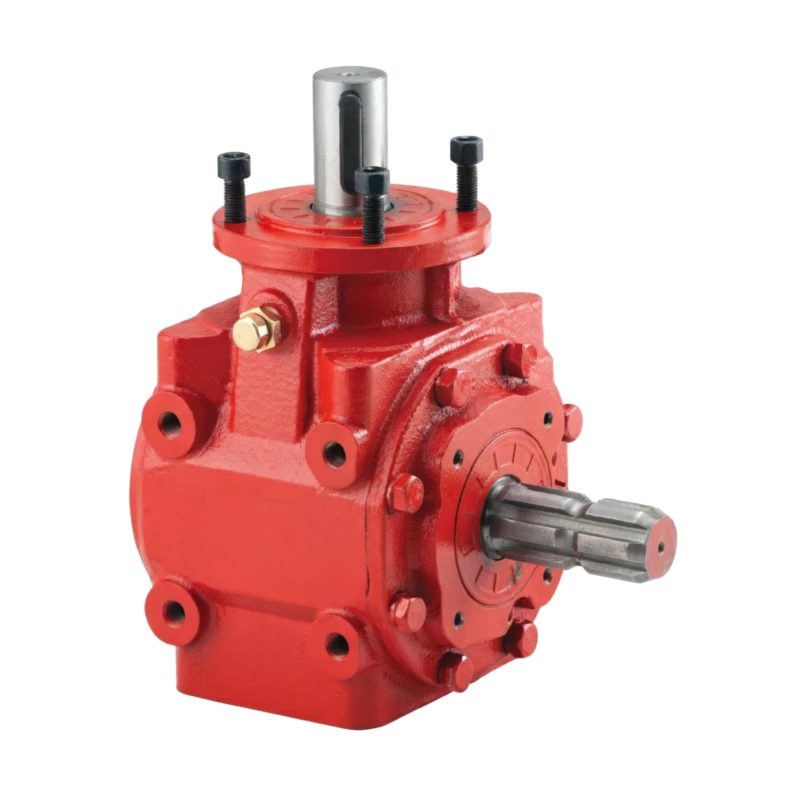
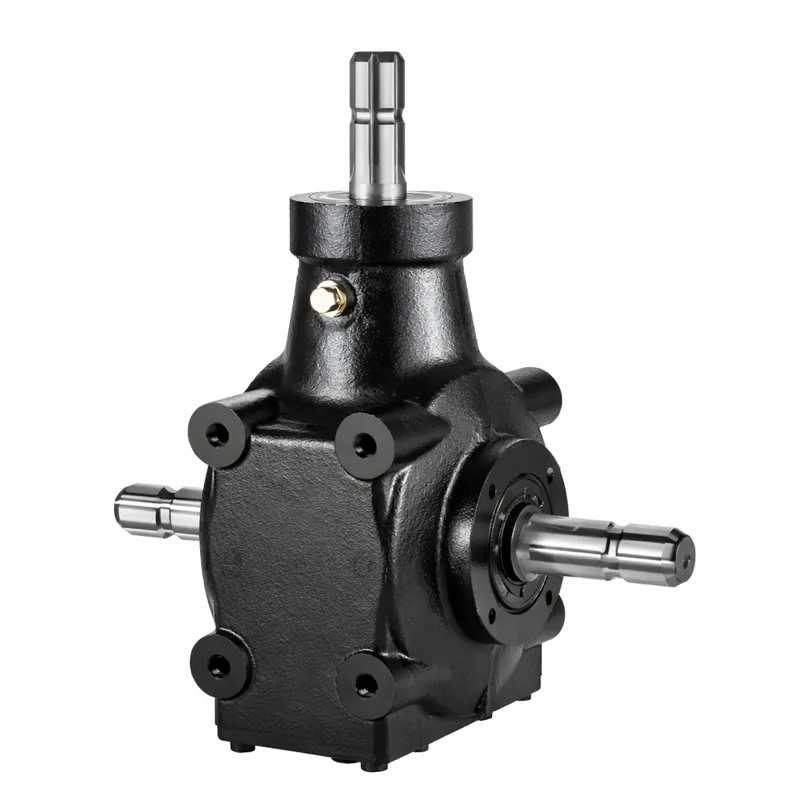
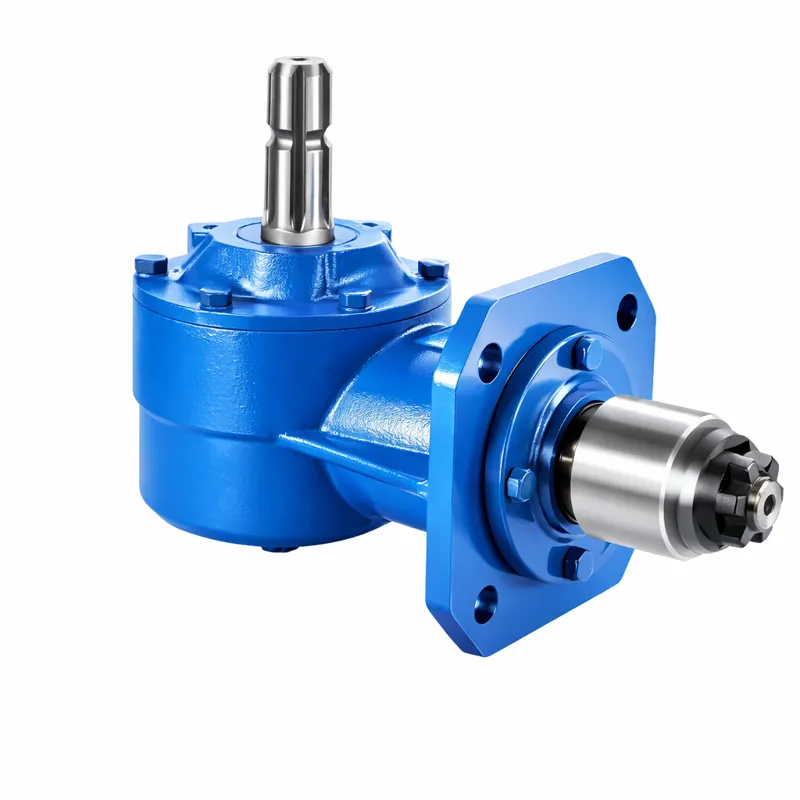
Our agricultural gearboxes pair perfectly with every shaft in our range for matched torque ratings and minimal vibration.
Agricultural Gearbox
Bevel, inline, and custom gearboxes for all PTO drive applications.
Cross-Kits & Clutch Parts
All series cross-kits including acid-rated, Moly-packed, and frost-start greased options.
Specialty Guards & Seals
Acid-resistant, UV-stabilised, tropical-grade, and heavy-wall PE guards; wiper seals; SS strap kits.
Partner with Us
Source Your PTO Shaft for Hay Rake — Same-Day Dispatch Available
- ✅ Cross-reference confirmed before dispatch
- ✅ Custom lengths, splines, clutch settings, seal materials
- ✅ Volume and OEM pricing available
- ✅ Same-day dispatch on stocked items — express Australia-wide freight
- ✅ Full compliance documentation: CE, ISO certs, inspection reports