描述
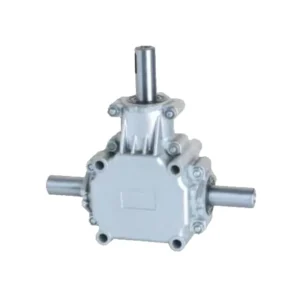
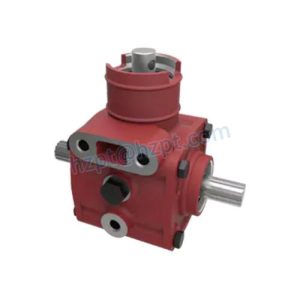
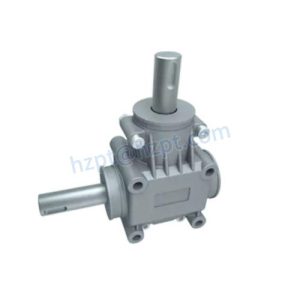
挖坑机变速箱 EP96
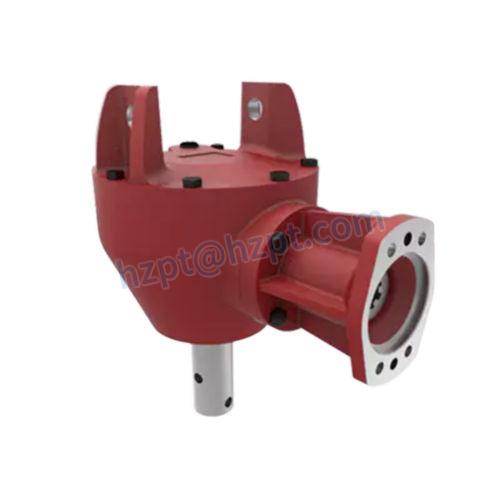
Post Hole Digger Gearbox for 3-Point Post Hole Digger — model EP96.
Detailed Technical Specifications — EP96
The Post Hole Digger Gearbox EP96 is engineered as a post hole digger gearbox for 3-point post hole digger applications. Designed to reduce PTO speed dramatically and deliver maximum torque to the auger, the unit covers 20–75 HP input ratings and is built for extreme low-speed torque with shock loads in rocky soil.
| 系列/型号 | EP96 |
|---|---|
| 应用 | 3-Point Post Hole Digger |
| 齿轮比 | 3.18:1 |
| 输入转速(RPM) | 540 转/分 / 1000 转/分(可选) |
| 输入轴 | 1 3/8″ 21-spline (X) |
| 输出轴 | Splined shaft 1 3/8″ 21T |
| 安装方式 | 4螺栓方形法兰 100 × 100 毫米 |
| PTO输入接口 | 1 3/8″ 6-spline (ASAE S203) |
| 房屋材料 | 铸铁 HT250 |
| 房屋装修 | 湿涂环氧树脂红色 RAL 3020 |
| 壁厚 | ≥ 6 mm |
| 齿轮材料 | 17CrNiMo6合金钢 |
| 热处理 | 淬火+回火,硬度HRC 28–32 |
| 齿轮精度等级 | AGMA 11 |
| 齿轮齿面抛光 | CNC研磨侧面 |
| 轴承类型(输入) | Angular contact bearing |
| 轴承类型(输出) | Cylindrical roller + tapered combo |
| 轴承品牌参考 | C&U premium grade |
| Bearing Design Life | L10h ≥ 8,000 h |
| Lubrication Type | Forced oil splash + pressure feed |
Engineering Features of the Post Hole Digger Gearbox
Each of the cards below describes a specific, measurable attribute of the EP96 unit. Generic claims have been kept out — every number here is tied to a manufacturing process or a verified test result.
兼容性和交叉引用
The EP96 is designed as a drop-in or close-substitute fit for a number of OEM gearbox positions used on tractors and 3-point post hole digger implements globally. The table below summarizes commonly cross-referenced brands. Final fitment must be verified by physical dimension matching.
| 品牌 | 设备范围 | 笔记 |
|---|---|---|
| AGCO | 多品牌拖拉机 | 交叉参考;通过法兰和轴尺寸进行验证 |
| Massey Ferguson | tractors and hay tools | 交叉参考;通过法兰和轴尺寸进行验证 |
| Kverneland | tillage and seeding machinery | 交叉参考;通过法兰和轴尺寸进行验证 |
| 波廷格 | 饲料设备 | 交叉参考;通过法兰和轴尺寸进行验证 |
| 约翰迪尔 | 拖拉机和动力输出轴农具 | 交叉参考;通过法兰和轴尺寸进行验证 |
| 芬特 | 拖拉机和收割机械 | 交叉参考;通过法兰和轴尺寸进行验证 |
可更换零件(单独出售)
- 端盖板
- 通风呼吸塞
- 排水塞(磁性)
- 安装法兰垫片
- 替换外壳(HT250)
- Bolt and washer kit
How to Select the Right Post Hole Digger Gearbox
Use the three-step approach below to match a EP96-class unit to your tractor and implement.
- 措施 — 记录您的拖拉机动力输出轴标准(540 / 1000 RPM,花键数)、农具输入轴直径和长度,以及农具前端的可用螺栓孔距。
- 匹配 — cross-check those measurements against the spec table for the EP96. The flange, shaft, and ratio need to all line up before moving on.
- 负载下验证 — 确认额定输入功率和输出扭矩是否足以满足您的峰值运行条件(例如潮湿土壤、茂密作物、冷启动)。
遴选标准清单
| 选择标准 | 决策点 |
|---|---|
| 实现类型→比率匹配 | For 3-point post hole digger, target gear ratio in the 1:3 to 1:6 range for correct rotor or output speed. |
| 拖拉机动力带 | Match input power rating to your tractor: 20–75 HP is the practical envelope for the EP96 family. |
| 动力输出轴转速(540 转/分 vs 1000 转/分) | 100马力以下的拖拉机标准转速为540转/分;100马力以上的拖拉机以及需要更高输出速度的场合,建议使用1000转/分的动力输出轴。指定动力输出轴转速前,请务必确认拖拉机的动力输出轴输出功率。 |
| 房屋材料 | 铸铁(HT250 / QT500)适用于重型连续作业;铝合金适用于需要减轻重量和快速散热的场合,例如经常移动的小型工具。 |
| 布局 | 直角(90°)装置将动力输出轴的动力传递至垂直的工作轴;直列式装置则保持轴的对准。选择时应根据农具的几何形状而定。 |
| 标准版与定制版 | 标准型号涵盖了大部分原厂配套 (OEM) 位置。对于非标准传动比、特殊轴端、超大法兰或严苛环境规格,请联系我们进行定制生产。 |
| 轴端接口 | 验证输入 PTO 标准(6 齿花键、21 齿花键、20 齿花键)和输出端(键槽式、花键式、法兰式)是否与您的传动系统和农具相符。 |
| 工作环境 | 高粉尘、泥浆、盐雾或极寒环境可能需要 IP66 防护等级的密封件、低温合成油或防腐蚀涂层——请在报价时注明。 |
典型应用及动力传输任务
The EP96 is engineered for 3-point post hole digger. The scenarios below describe the specific power-transmission tasks the gearbox is designed to handle, with details of mounting position, drive path, and the technical demand on the gear and bearing set.
3-Point Hitch Auger Digger
Mounted via 3-point linkage, the gearbox takes 540 RPM PTO input and delivers high-torque, low-speed output to a vertical auger. Reduction ratios of 1:3 to 1:6 are typical to achieve the slow torque-multiplication needed for hardpan or rocky soil.
Tree-Planting Auger
Used for orchard establishment and reforestation. The EP96 delivers consistent torque from the first hole of the day to the last, regardless of operator-induced load spikes.
Fence Post Installation
Most common contractor application. The gearbox drives augers from 6″ to 18″ diameter, with peak loads occurring at hardpan or rock encounters where overload protection is essential.
安装调试指南
Correct installation of the post hole digger gearbox is the single biggest factor in achieving the design service life. Follow the steps below, in order. Skipping or compressing any step usually shows up as oil leak, premature bearing failure, or noise within the first season.
- 安全准备。 关闭拖拉机发动机,拔出钥匙,断开动力输出轴(PTO),拉起驻车制动器,并用楔块固定车轮。佩戴安全手套和护目镜。在进行任何传动系统作业之前,务必确认农具已放置在稳定的支撑物上。
- 安装前请检查变速箱。 Check that the EP96 model number, input flange dimensions, and input/output shaft specifications match both your tractor PTO and the implement input shaft. Mismatched flange or spline patterns will not be corrected by force-fitting.
- 加入润滑剂。 首次使用前,请加注指定的润滑油(通常为 SAE 80W-90 GL-5),直至油位窗口中央。请参考规格表,了解您设备的准确润滑油容量;润滑油加注不足会导致轴承过早磨损,加注过多则会升高油温并损坏密封件。
- 安装并拧紧螺栓。 使用原厂螺栓组将变速箱法兰固定到机具上。分三次以对角线方式拧紧至最终扭矩(M12 8.8 级螺栓约为 80 N·m)。均匀受力可防止法兰变形和密封泄漏。
- 连接输入动力输出轴。 将动力输出轴驱动轴轭连接到变速箱输入轴上。确认锁定销或推拉环完全啮合。重新安装安全护罩,确保两条固定链分别连接到拖拉机和农具上,并且护罩不会随轴一起旋转。
- 连接输出轴。 将输出轴滑入农具工作轴,对准键或花键,并用提供的锁紧螺母和垫圈锁紧。确认轴的轴向间隙在制造商规定的公差范围内——通常为 0.05 毫米至 0.20 毫米。
- 检查轴的对准情况。 变速箱螺栓固定好,轴也连接好后,用手缓慢旋转。输入轴和输出轴的总跳动量(TIR)不应超过 0.10 毫米。任何卡顿或明显的刮擦声都表明存在对准问题,必须在通电运行前进行纠正。
- 空载测试运行。 将动力输出轴(PTO)在低发动机转速(怠速至 540 转/分)下运转 5 至 10 分钟。注意是否有异常噪音,观察是否有漏油,并用手检查壳体温度——摸起来应该是温热的,但不能烫手。
- 部分负载下的运行。 前50小时运行期间,避免满负荷运转。应逐步改变转速并轻柔地施加负载,以使齿轮和轴承充分磨合。磨合期结束后,排出润滑油(其中含有微小的磨合颗粒),并重新加注相同等级的新油。
- 制定维护计划。 每运行 200 小时检查一次油位,或在重负荷使用期间每周检查一次。每运行 500 小时或每个季度更换一次齿轮油,以先到者为准。每次换班后擦拭壳体外部,以防止污垢积聚并导致水分滞留在密封件上。
Our Post Hole Digger Gearbox vs. Low-Quality Alternatives
Not every gearbox sold as an “agricultural” unit is engineered for the job. The dimensions below compare the EP96 class build to the typical low-cost imported alternative.
| 方面 | 低质量单元 | 我们的建设 | 用户收益 |
|---|---|---|---|
| Dynamic balance | Not measured | Rotor groups balanced to ISO G6.3 | Eliminates vibration-driven bearing failure. |
| Backlash control | Hand-fit, inconsistent unit-to-unit | Jig-set to ±0.02 mm at assembly | Smooth tooth contact, predictable drive feel. |
| Surface protection | Single coat enamel, peels in salt environments | Zinc-phosphate base + baked epoxy, ≥ 480 h salt spray | Cosmetic and structural protection in coastal and winter use. |
| 热裕度 | 接近满负荷时的热点风险 | 经验证的温升测试,设计用于连续运行。 | 可安全以额定负载全天运行。 |
| 运行测试 | 无——按组装状态发货 | 30分钟空载运行,记录每台设备的声学特征 | 在设备离开工厂前发现装配错误。 |
| 使用寿命预期 | 噪音/泄漏出现前一个季度 | 正确维护下可使用≥5个季节 | 降低每小时运行的生命周期成本。 |
| 文档 | 通用说明书 | 单机检验卡,包括反冲、扭矩、磨合噪声 | 如果发生保修事件,可进行全程追溯。 |
| 售后支持 | 仅限折扣商,不提供工程联系 | 工厂直接支持,24小时技术回复 | 如果现场出现问题,可以更快地解决。 |
| 齿轮材料 | 普通45#钢,未经热处理 | 17CrNiMo6, carburized & quenched, HRC 58–62 surface | 在典型的动力输出轴负载下,齿轮寿命延长三倍。 |
常见问题解答
Common questions from buyers evaluating the EP96 for their fleet or implement build. If your situation is not covered, send us the details and we will respond within one working day.
运输过程中如何处理变速箱以防止运输损坏?
如何为我的拖拉机和农具选择合适的齿轮比?
我应该何时指定 540 RPM 的输入转速,何时指定 1000 RPM 的输入转速?
Do you offer OEM and custom-spec gearboxes? What are the minimums?
What is your warranty policy and how do I make a claim?
来自现场的客户反馈
Selected feedback from operators using the EP96 or related units in commercial 3-point post hole digger duty across multiple countries. Names are anonymized using city + initials for privacy.
配套产品和传动系统配件
A post hole digger gearbox usually sits in the middle of a longer drivetrain. The items below complete the typical agricultural power-transmission package.
认证与质量标准
- ISO 9001:2015 — 涵盖设计、制造和检验流程的质量管理体系。
- ISO 6336 — 圆柱齿轮和锥齿轮承载能力计算的参考标准。
- DIN 3960 / DIN 3961 — 用于齿轮质量分级的齿形和精度等级定义。
- EN ISO 11684 — 农业机械的图形安全标志和警告标志。
- CE标志 — 符合欧盟机械指令 2006/42/EC(如适用)。
- AS 4024 — 澳大利亚机械安全框架 — 适用于销往澳大利亚农场的 OEM 设备。
- 材料认证 — 齿轮和轴合金的轧制证书;每批次的硬度、成分和金相数据均有存档。
出库检验工作流程
每批产品均需经过以下工序:原材料入库检验 → 锻造和机加工首件检验 → 热处理硬度抽样测试 → 使用克林根贝格级试验机进行齿轮精度测量 → 装配扭矩验证 → 空载磨合及声学记录 → 最终外观检查和包装检查。检验记录随纸箱一同寄送。
澳大利亚买家须知
Units shipped into Australia for use on commercial farms should be reviewed against the relevant state WHS (Work Health and Safety) requirements and the post hole digger gearbox fitted with all guards specified by the implement OEM. Common search terms used by Australian buyers include 澳大利亚农业齿轮箱, 澳大利亚农用齿轮箱供应商, 昆士兰拖拉机零件, 新南威尔士州农用设备, 和 维多利亚农业机械 —请告知您所在的州和计划实施情况,我们将推荐合适的配置。
为什么选择我们——工厂和品牌实力
工厂背景
We have been manufacturing agricultural gearboxes including the post hole digger gearbox family at our facility for over a decade. The plant covers a substantial machining and assembly area with dedicated heat-treatment, gear-cutting, gear-grinding, and final-assembly bays, and a year-round skilled workforce in production and quality.
生产能力
年产能涵盖产品目录中的数万台设备。关键设备包括数控滚齿中心、数控磨齿机、密封淬火热处理炉、三坐标测量机 (CMM)、齿轮齿接触试验机和专用磨合试验台。最畅销型号的模具和工装均备有现货,以缩短重复订单的响应时间。
出口足迹
我们目前出口到数十个国家,主要市场在澳大利亚、北美、欧洲和东南亚。国际买家常用的搜索词包括: 中国农业齿轮箱制造商, 定制农用变速箱供应商, 和 OEM变速箱工厂 ——我们的销售团队也已做好准备,能够用英语进行图纸审核和技术交流。
OEM/ODM能力
我们的标准定制流程为:图纸或样品提交 → 工程审核及报价 → 3D模型及原型模具确认 → 首件样品 → 小批量试生产 → 批量生产。新模具的交付周期通常为30-60天;重复生产则在20-30天内完成。
最小起订量和交货时间
标准目录款:最小起订量为一箱(5-50 件,视尺寸而定)。定制款:通常最小起订量为 50 件。库存产品标准交货期为 7-15 天,定制款首批交货期为 30-45 天。
质量控制
每一批产品都要经过 ISO 9001:2015 管理的检验、原材料成分和硬度测试、过程齿轮精度验证、最终装配扭矩签核,以及每台产品记录的 30 分钟空载磨合测试。
售后服务
工艺方面提供 12 个月的标准保修;OEM 合同提供延长保修。技术邮件将在 24 小时内回复,有效保修案例的更换零件将在工作日内寄出。
Custom application?
Non-standard ratio, special shaft end, oversized flange — we build to drawing. Share your spec and we will reply with a build plan.
我们提供的不仅仅是标准农用变速箱。 带上您的图纸、样品,甚至是草图——我们的工程团队将为您量身定制精密齿轮箱解决方案,以满足您的具体应用需求。
⏱️ 我们会在24小时内回复。 · ️ 12 个月标准保修 · ISO 9001:2015 认证生产 · 多年农业齿轮箱出口经验,包括直接向澳大利亚发货。