Opis
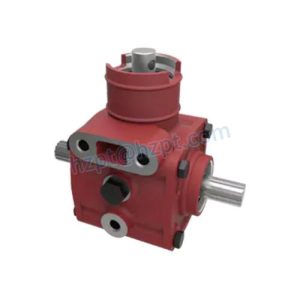
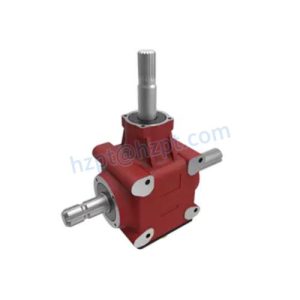
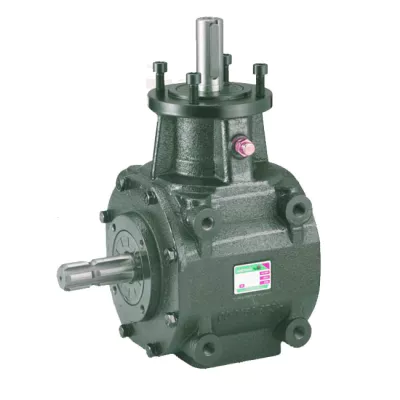
EP-75 Rotary Tiller Cultivator Gearbox for Agricultural
Rotary Tiller Gearbox for Rotary Tiller / Cultivator — model EP-75.
Detailed Technical Specifications — EP-75
The EP-75 Rotary Tiller Cultivator Gearbox for Agricultural is engineered as a rotary tiller gearbox for rotary tiller / cultivator applications. Designed to reduce PTO speed and amplify torque to drive the tiller rotor, the unit covers 20–80 HP input ratings and is built for continuous high-torque ground engagement.
| Seria / Model | EP-75 |
|---|---|
| Aplikacja | Rotary Tiller / Cultivator |
| Przełożenie | 1:3 |
| Prędkość wejściowa (obr./min) | 540 RPM |
| Wał wejściowy | 1 3/8″ 6-rowkowy (standard WOM) |
| Wał wyjściowy | Hollow shaft with shrink disk |
| Materiał obudowy | High-strength aluminum A356-T6 |
| Wykończenie mieszkania | Fosforan cynkowy + powłoka proszkowa |
| Grubość ścianki | ≥ 7 mm |
| Materiał przekładni | 20CrMnTi alloy steel |
| Obróbka cieplna | Carburized + quenched, HRC 58–62 surface / HRC 33–45 core |
| Stopień dokładności przekładni | ISO 1328 grade 7 |
| Wykończenie zębów koła zębatego | CNC-ground flanks |
| Typ łożyska (wejście) | Deep groove ball bearing |
| Typ łożyska (wyjściowy) | Łożysko baryłkowe |
| Odniesienie do marki łożyska | C&U gatunek premium |
| Żywotność projektowa łożyska | L10h ≥ 10,000 h |
| Rodzaj smarowania | Synthetic gear oil GL-5 |
| Pojemność oleju | 3.0 L |
| Odpływ oleju | Magnetic drain plug |
Engineering Features of the Rotary Tiller Gearbox
Each of the cards below describes a specific, measurable attribute of the EP-75 unit. Generic claims have been kept out — every number here is tied to a manufacturing process or a verified test result.
Zgodność i odniesienia krzyżowe
The EP-75 is designed as a drop-in or close-substitute fit for a number of OEM gearbox positions used on tractors and rotary tiller / cultivator implements globally. The table below summarizes commonly cross-referenced brands. Final fitment must be verified by physical dimension matching.
| Marka | Zakres sprzętu | Notatki |
|---|---|---|
| John Deere | ciągniki i urządzenia WOM | odniesienie; sprawdź na podstawie wymiarów kołnierza i wału |
| Fendt | ciągniki i maszyny do zbioru | odniesienie; sprawdź na podstawie wymiarów kołnierza i wału |
| Deutz-Fahr | ciągniki i kombajny | odniesienie; sprawdź na podstawie wymiarów kołnierza i wału |
| Lemken | narzędzia uprawowe | odniesienie; sprawdź na podstawie wymiarów kołnierza i wału |
| New Holland | tractors, balers, mowers | odniesienie; sprawdź na podstawie wymiarów kołnierza i wału |
| Claas | forage harvesters and balers | odniesienie; sprawdź na podstawie wymiarów kołnierza i wału |
Dostępne części zamienne (sprzedawane oddzielnie)
- End-cover plate
- Vented breather plug
- Drain plug (magnetic)
- Mounting flange gasket
- Replacement housing (HT250)
- Zestaw śrub i podkładek
How to Select the Right Rotary Tiller Gearbox
Use the three-step approach below to match a EP-75-class unit to your tractor and implement.
- Mierzyć — zapisz standard WOM ciągnika (540/1000 obr./min, liczba wielowypustów), średnicę i długość wału wejściowego narzędzia oraz dostępny rozstaw śrub na nosie narzędzia.
- Mecz — cross-check those measurements against the spec table for the EP-75. The flange, shaft, and ratio need to all line up before moving on.
- Sprawdź pod obciążeniem — sprawdź, czy znamionowa moc wejściowa i wyjściowy moment obrotowy są wystarczające w szczytowych warunkach pracy (np. mokra gleba, gęsta uprawa, zimny start).
Lista kontrolna kryteriów wyboru
| Kryterium wyboru | Punkty decyzyjne |
|---|---|
| Typ wdrożenia → dopasowanie współczynnika | For rotary tiller / cultivator, target gear ratio in the 1:2 – 1:4 reduction range for correct rotor or output speed. |
| Pasmo mocy ciągnika | Match input power rating to your tractor: 20–80 HP is the practical envelope for the EP-75 family. |
| Prędkość WOM (540 vs 1000 obr./min) | Prędkość 540 obr./min jest standardowa w ciągnikach o mocy poniżej 100 KM; 1000 obr./min jest preferowane w maszynach o mocy powyżej 100 KM oraz tam, gdzie wymagana jest wyższa prędkość wyjściowa. Przed podaniem specyfikacji należy sprawdzić moc WOM ciągnika. |
| Materiał obudowy | Żeliwo (HT250 / QT500) do ciężkich, ciągłych prac; stop aluminium, gdy istotna jest redukcja masy i szybkie rozprowadzanie ciepła, np. w przypadku częstego przenoszenia małych narzędzi. |
| Układ | Jednostki kątowe (90°) przekierowują moc WOM na prostopadły wał roboczy; jednostki liniowe zachowują współosiowość wału. Wybierz w oparciu o geometrię narzędzia. |
| Standardowe vs. niestandardowe | Modele standardowe pokrywają większość pozycji OEM. W przypadku niestandardowych przełożeń, specjalnych końcówek wału, powiększonych kołnierzy lub specyfikacji do pracy w trudnych warunkach, należy zamówić wersję niestandardową. |
| Interfejs wału końcowego | Sprawdź standard wejścia WOM (6-rowkowe, 21-rowkowe, 20-rowkowe) i wyjścia (z klinem, wielowypustem, kołnierzem) pod kątem zgodności z układem napędowym i osprzętem. |
| Środowisko pracy | W przypadku dużego zapylenia, błota, słonej mgiełki lub ekstremalnie niskich temperatur konieczne może być zastosowanie uszczelek o stopniu ochrony IP66, syntetycznego oleju odpornego na niskie temperatury lub powłoki antykorozyjnej — należy to określić przy składaniu oferty. |
Typowe zastosowania i zadania związane z przenoszeniem mocy
The EP-75 is engineered for rotary tiller / cultivator. The scenarios below describe the specific power-transmission tasks the gearbox is designed to handle, with details of mounting position, drive path, and the technical demand on the gear and bearing set.
Rotary Tiller / Rotavator
Mounted at the implement nose, the gearbox steps PTO speed down to the tiller rotor. Reduction in the 1:2 to 1:4 range converts available HP into the high torque needed to break sun-baked or stony soil at typical 200–300 RPM rotor speeds.
Powered Harrow
Drives a row of vertical-axis tine carriers. Continuous-duty operation in mixed-stone soil places premium demand on bearing rigidity and gear-tooth surface hardness — the EP-75 addresses both.
Strip-Till Cultivator
Used on minimum-tillage rigs that work narrow bands of soil between crop rows. Demands compact size and consistent torque at the slow rotor speeds preferred for residue-management work.
Bed Former
Drives the rotor that shapes raised vegetable beds. Smooth torque and low vibration are critical for forming uniform beds at consistent travel speed.
Przewodnik instalacji i uruchomienia
Correct installation of the rotary tiller gearbox is the single biggest factor in achieving the design service life. Follow the steps below, in order. Skipping or compressing any step usually shows up as oil leak, premature bearing failure, or noise within the first season.
- Przygotowanie do działań bezpieczeństwa. Wyłącz silnik ciągnika, wyjmij kluczyk ze stacyjki, odłącz WOM, zaciągnij hamulec postojowy i zablokuj koła. Załóż rękawice ochronne i okulary ochronne. Przed przystąpieniem do jakichkolwiek prac związanych z układem napędowym upewnij się, że narzędzie stoi na stabilnych podporach.
- Przed montażem należy sprawdzić skrzynię biegów. Check that the EP-75 model number, input flange dimensions, and input/output shaft specifications match both your tractor PTO and the implement input shaft. Mismatched flange or spline patterns will not be corrected by force-fitting.
- Napełnij środkiem smarującym. Before first use, fill with the specified lubricant — typically SAE 80W-90 GL-5 — to the centre of the oil-level window. Refer to the spec table for the exact oil capacity for your unit; underfilling causes early bearing wear, overfilling raises oil temperature and stresses seals.
- Zamontuj śruby i dokręć je. Bolt the gearbox flange to the implement using the OEM bolt set. Tighten in a diagonal pattern in three passes to the final torque (~ 140 N·m for M16 grade 8.8). Even loading prevents flange distortion and seal leak paths.
- Podłącz wejściowy wałek odbioru mocy. Zamontuj jarzmo wału napędowego WOM na wałku wejściowym skrzyni biegów. Upewnij się, że sworzeń blokujący lub kołnierz pchająco-ciągnący jest całkowicie zablokowany. Zamontuj ponownie osłonę bezpieczeństwa, zaczepiając oba łańcuchy mocujące do ciągnika i narzędzia, nigdy nie obracając się razem z wałem.
- Podłącz wał wyjściowy. Wsuń wał wyjściowy do wału roboczego narzędzia, wyrównaj wpusty lub wypusty i zablokuj dołączoną nakrętką zabezpieczającą i podkładką. Sprawdź, czy luz osiowy wału mieści się w tolerancji producenta — zazwyczaj od 0,05 mm do 0,20 mm.
- Sprawdź ustawienie wałów. Po przykręceniu przekładni i podłączeniu wałów, powoli obracaj ręcznie. Całkowite bicie (TIR) na wejściu i wyjściu nie powinno przekraczać 0,10 mm. Każde zacięcie lub słyszalne zgrzytanie wskazuje na problem z ustawieniem osi, który należy skorygować przed uruchomieniem.
- Próba bez obciążenia. Włącz WOM przy niskich obrotach silnika (bieg jałowy do 540 obr./min) na pięć do dziesięciu minut. Nasłuchuj nietypowych dźwięków, obserwuj wyciek oleju i sprawdź ręcznie temperaturę obudowy – powinna być ciepła w dotyku, ale nie na tyle gorąca, aby powodować dyskomfort.
- Docieranie pod częściowym obciążeniem. Przez pierwsze 50 godzin pracy należy unikać pełnego obciążenia znamionowego. Należy delikatnie zmieniać prędkość i obciążenie, aby osadzić zęby przekładni i łożyska. Po okresie docierania należy spuścić smar – będzie zawierał mikroskopijne cząstki powstałe podczas docierania – i napełnić go świeżym olejem o tej samej klasie.
- Ustal harmonogram konserwacji. Sprawdzaj poziom oleju co 200 godzin pracy lub co tydzień przy intensywnym użytkowaniu. Spuszczaj i wymieniaj olej przekładniowy co 500 godzin lub raz w sezonie, w zależności od tego, co nastąpi wcześniej. Przecieraj zewnętrzną część obudowy po każdej zmianie biegów, aby zapobiec gromadzeniu się zanieczyszczeń, które zatrzymują wilgoć na uszczelkach.
Our Rotary Tiller Gearbox vs. Low-Quality Alternatives
Not every gearbox sold as an “agricultural” unit is engineered for the job. The dimensions below compare the EP-75 class build to the typical low-cost imported alternative.
| Wymiar | Jednostka niskiej jakości | Nasza konstrukcja | Korzyść dla użytkownika |
|---|---|---|---|
| Gear accuracy | Hobbed only, ISO 1328 grade 9 | CNC-ground, ISO 1328 grade 6, noise ≤ 72 dB(A) | Quieter operation and longer fatigue life. |
| Bearing grade | Unbranded, no published rating | Premium tapered roller bearings, L10h ≥ 10,000 h | Predictable service life under design loading. |
| Oil seals | Single-lip rubber, hardens and leaks within months | Double-lip skeleton seal with PTFE wear face, IP65 | Lubricant stays in, dust and water stay out. |
| Mesh efficiency | < 90%, runs hot under load | ≥ 97% for spiral bevel mesh, temperature rise ≤ 35 °C | More tractor HP reaches the implement; less wasted as heat. |
| Równowaga dynamiczna | Nie zmierzono | Grupy wirników wyważone zgodnie z normą ISO G6.3 | Eliminuje awarie łożysk spowodowane wibracjami. |
| Kontrola luzów | Dopasowanie ręczne, niespójne jednostki po jednostkach | Zestaw przyrządów montażowych do ±0,02 mm podczas montażu | Gładki kontakt zębów, przewidywalne odczucie jazdy. |
| Ochrona powierzchni | Jednowarstwowa emalia, łuszcząca się w środowisku solnym | Baza cynkowo-fosforanowa + wypalana żywica epoksydowa, ≥ 480 h w mgle solnej | Ochrona kosmetyczna i konstrukcyjna w zastosowaniach nadmorskich i zimowych. |
| Przestrzeń termiczna | Ryzyko wystąpienia punktu zapalnego w pobliżu pełnego obciążenia | Zaprojektowana do pracy ciągłej z weryfikowanymi testami wzrostu temperatury | Możliwość bezpiecznej pracy przy obciążeniu znamionowym przez cały dzień. |
| Testowanie rozruchowe | Brak — statek w stanie zmontowanym | 30-minutowy rozruch bez obciążenia, rejestracja sygnatury akustycznej dla każdej jednostki | Wykrywa błędy montażowe zanim jednostka opuści zakład. |
Często zadawane pytania
Common questions from buyers evaluating the EP-75 for their fleet or implement build. If your situation is not covered, send us the details and we will respond within one working day.
What lubricant should I use, and how often should it be changed?
Is the housing aluminum or cast iron — and which is better?
Can I replace the gearbox seals or bearings in the field?
What is the noise level and how is it measured?
Do you supply a test report or quality certificate with each unit?
Opinie klientów z terenu
Selected feedback from operators using the EP-75 or related units in commercial rotary tiller / cultivator duty across multiple countries. Names are anonymized using city + initials for privacy.
Produkty towarzyszące i akcesoria do układu napędowego
A rotary tiller gearbox usually sits in the middle of a longer drivetrain. The items below complete the typical agricultural power-transmission package.
Certyfikaty i standardy jakości
- ISO 9001:2015 — System zarządzania jakością obejmujący procesy projektowania, produkcji i kontroli.
- ISO 6336 — Norma odniesienia do obliczania nośności przekładni walcowych i stożkowych.
- DIN 3960 / DIN 3961 — Definicje profilu zęba i klasy dokładności stosowane do oceny jakości kół zębatych.
- EN ISO 11684 — Znaki bezpieczeństwa i znaki ostrzegawcze dla maszyn rolniczych.
- Oznakowanie CE — Zgodność z dyrektywą maszynową UE 2006/42/WE, w stosownych przypadkach.
- AS 4024 — Australijskie ramy bezpieczeństwa maszyn — odnoszące się do jednostek OEM przeznaczonych dla gospodarstw rolnych w Australii.
- Certyfikacja materiałów — Certyfikaty hutnicze dla stopów stosowanych do kół zębatych i wałów; twardość, skład i dane metalograficzne w aktach dla każdej partii.
Przepływ pracy kontroli wychodzącej
Każda partia przechodzi przez: kontrolę surowca wejściowego → kucie i obróbkę skrawaniem, kontrolę pierwszego egzemplarza → badanie twardości próbki po obróbce cieplnej → pomiar dokładności przekładni na testerach klasy Klingelnberg → weryfikację momentu obrotowego montażu → rejestrację rozruchu bez obciążenia i akustyki → końcową kontrolę wizualną i pakowania. Protokoły kontroli są przesyłane wraz z kartonem.
Notatki dla kupujących z Australii
Units shipped into Australia for use on commercial farms should be reviewed against the relevant state WHS (Work Health and Safety) requirements and the rotary tiller gearbox fitted with all guards specified by the implement OEM. Common search terms used by Australian buyers include skrzynia biegów rolnicza Australia, dostawca skrzyń biegów rolniczych w Australii, Części do ciągników Queensland, Sprzęt rolniczy NSW, I Maszyny rolnicze Victoria — poinformuj nas o swoim stanie i planowanym sprzęcie, a my zalecimy odpowiednią konfigurację.
Dlaczego warto kupować u nas — siła fabryki i marki
Factory background
We have been manufacturing agricultural gearboxes including the rotary tiller gearbox family at our facility for over a decade. The plant covers a substantial machining and assembly area with dedicated heat-treatment, gear-cutting, gear-grinding, and final-assembly bays, and a year-round skilled workforce in production and quality.
Production capability
Annual capacity covers tens of thousands of units across the catalogue. Critical equipment includes CNC gear-hobbing centres, CNC gear-grinders, sealed-quench heat-treatment furnaces, three-coordinate measuring machines (CMM), gear-tooth contact testers, and dedicated run-in test stands. Tooling and dies for the most popular models are kept on standby to cut response time on repeat orders.
Export footprint
We currently export to dozens of countries, with primary markets in Australia, North America, Europe, and Southeast Asia. Common search terms used by international buyers include agricultural gearbox manufacturer China, custom farm gearbox supplier, I OEM gearbox factory — and our sales team is set up to handle drawing reviews and technical conversations in English.
OEM / ODM capability
Our standard custom flow is: drawing or sample submission → engineering review and quote → 3D model and prototype tooling sign-off → first-article sample → small pilot batch → serial production. Lead times for new tooling typically run 30–60 days; repeat builds run inside 20–30 days.
MOQ & lead time
Standard catalogue models: MOQ from one carton (5–50 units depending on size). Custom builds: typical MOQ 50 units. Standard lead time 7–15 days for stock items, 30–45 days for custom first runs.
Quality control
Each batch passes through ISO 9001:2015 governed inspection, raw-material composition and hardness testing, in-process gear accuracy verification, final assembly torque sign-off, and a 30-minute no-load run-in test recorded per unit.
After-sales
12-month standard warranty on workmanship; extended warranty for OEM contracts. Technical email response inside 24 hours, and replacement parts dispatched within working days for valid warranty cases.
Bulk order or dealer pricing?
Looking for distribution-volume pricing in Australia, North America, or Europe? Get in touch and we will route the inquiry to the right account team.
We do more than supply standard agricultural gearboxes. Bring us your drawings, samples, or even a rough sketch — our engineering team will design and manufacture a precision gearbox solution tailored to your exact application.
⏱️ We respond within 24 hours · ️ 12-month standard warranty · ISO 9001:2015 certified production · Years of agricultural gearbox export experience including direct shipments to Australia.