விளக்கம்
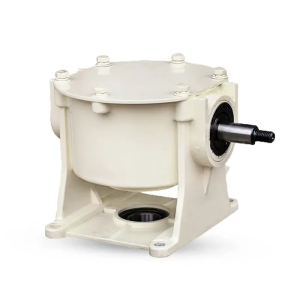
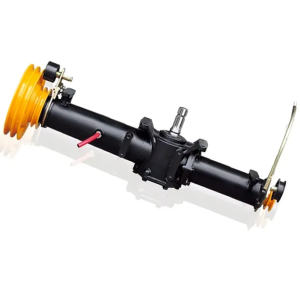
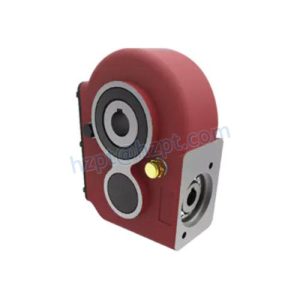
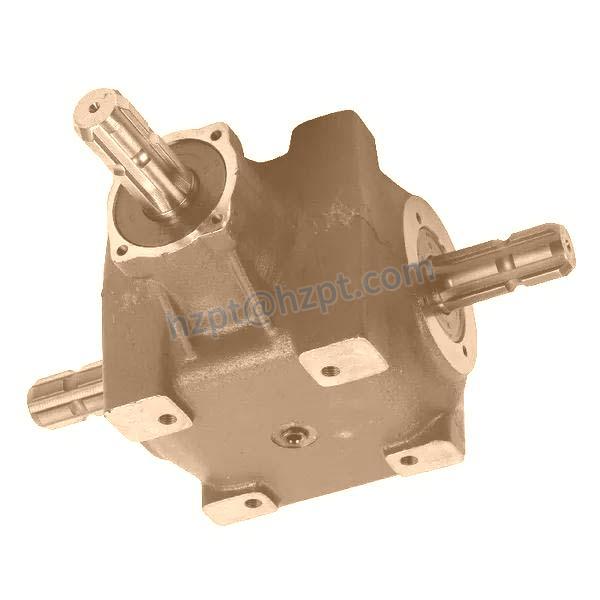
T-27A Rotary Tillers Gearbox
Rotary Tiller Gearbox for Rotary Tiller / Cultivator — model T-27A.
Detailed Technical Specifications — T-27A
The T-27A Rotary Tillers Gearbox is engineered as a rotary tiller gearbox for rotary tiller / cultivator applications. Designed to reduce PTO speed and amplify torque to drive the tiller rotor, the unit covers 20–80 HP input ratings and is built for continuous high-torque ground engagement.
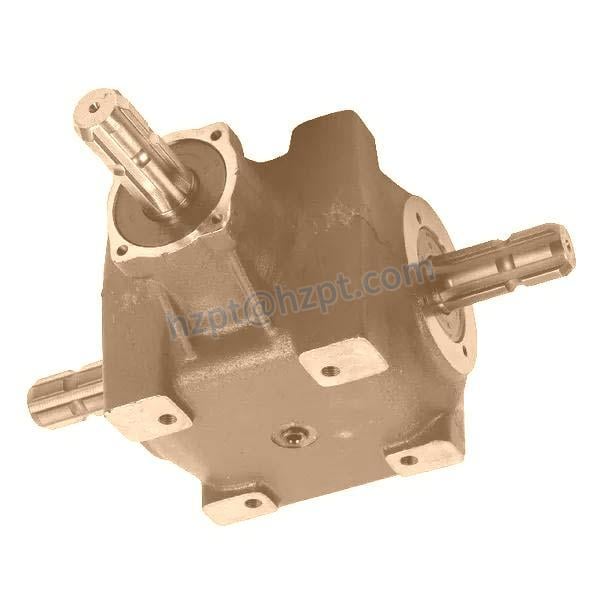
| தொடர் / மாதிரி | T-27A |
|---|---|
| விண்ணப்பம் | Rotary Tiller / Cultivator |
| கியர் விகிதம் | 1.92:1 |
| உள்ளீட்டு வேகம் (RPM) | 540 RPM / 1000 RPM (selectable) |
| உள்ளீட்டு தண்டு | I |
| வெளியீட்டு தண்டு | Splined shaft 1 3/8″ 6T |
| Heat Treatment | Induction hardened, HRC 55–60 |
| Gear Accuracy Grade | ISO 1328 grade 6 |
| Net Weight (as supplied) | 21 kg |
| Gear Tooth Finish | Shaved + heat-treated |
| Bearing Type (Input) | Spherical roller bearing |
| Bearing Type (Output) | Tapered roller bearing pair |
| Bearing Brand Reference | HRB / LYC / domestic premium |
| Bearing Design Life | L10h ≥ 15,000 h |
| Lubrication Type | Oil-bath splash lubrication |
| எண்ணெய் கொள்ளளவு | 0.8 L |
| எண்ணெய் வடிகால் | காந்த + வடிகட்டி வடிகால் |
| சுவாச செருகி | Side breather with filter |
| சீல் வகை | வி-ரிங் + ஸ்கெலிட்டல் சீல் காம்போ |
| நுழைவு பாதுகாப்பு | IP65 |
Engineering Features of the Rotary Tiller Gearbox
Each of the cards below describes a specific, measurable attribute of the T-27A unit. Generic claims have been kept out — every number here is tied to a manufacturing process or a verified test result.
இணக்கத்தன்மை மற்றும் குறுக்கு-குறிப்பு
The T-27A is designed as a drop-in or close-substitute fit for a number of OEM gearbox positions used on tractors and rotary tiller / cultivator implements globally. The table below summarizes commonly cross-referenced brands. Final fitment must be verified by physical dimension matching.
| பிராண்ட் | உபகரண வரம்பு | குறிப்புகள் |
|---|---|---|
| குன் | புல்வெட்டும் இயந்திரங்கள், மண்வாரிகள் மற்றும் பரப்பிகள் | குறுக்கு-சரிபார்ப்பு; விளிம்பு மற்றும் தண்டு பரிமாணங்களைக் கொண்டு சரிபார்க்கவும். |
| மாஸ்கியோ காஸ்பார்டோ | உழவர்கள் மற்றும் விதைப்பவர்கள் | குறுக்கு-சரிபார்ப்பு; விளிம்பு மற்றும் தண்டு பரிமாணங்களைக் கொண்டு சரிபார்க்கவும். |
| ஏஜிகோ | பல பிராண்ட் டிராக்டர்கள் | குறுக்கு-சரிபார்ப்பு; விளிம்பு மற்றும் தண்டு பரிமாணங்களைக் கொண்டு சரிபார்க்கவும். |
| மாஸ்ஸி பெர்குசன் | டிராக்டர்கள் மற்றும் வைக்கோல் கருவிகள் | குறுக்கு-சரிபார்ப்பு; விளிம்பு மற்றும் தண்டு பரிமாணங்களைக் கொண்டு சரிபார்க்கவும். |
| க்வெர்னலாண்ட் | உழவு மற்றும் விதைப்பு இயந்திரங்கள் | குறுக்கு-சரிபார்ப்பு; விளிம்பு மற்றும் தண்டு பரிமாணங்களைக் கொண்டு சரிபார்க்கவும். |
| Pottinger | forage equipment | குறுக்கு-சரிபார்ப்பு; விளிம்பு மற்றும் தண்டு பரிமாணங்களைக் கொண்டு சரிபார்க்கவும். |
கிடைக்கக்கூடிய மாற்று பாகங்கள் (தனித்தனியாக விற்கப்படுகின்றன)
- வெளியீட்டுத் தண்டு (சாவி மற்றும் பிணைப்பு வகைகள்)
- உள்ளீட்டுத் தண்டு (1 3/8″ 6-ஸ்ப்லைன்)
- Skeleton oil seal kit
- End-cover plate
- Vented breather plug
- Drain plug (magnetic)
How to Select the Right Rotary Tiller Gearbox
Use the three-step approach below to match a T-27A-class unit to your tractor and implement.
- அளவீடு — உங்கள் டிராக்டரின் PTO தரநிலை (540 / 1000 RPM, ஸ்ப்லைன் எண்ணிக்கை), கருவியின் உள்ளீட்டுத் தண்டின் விட்டம் மற்றும் நீளம், மற்றும் கருவியின் முன்பகுதியில் உள்ள போல்ட் அமைப்பு ஆகியவற்றை பதிவு செய்யவும்.
- போட்டி — cross-check those measurements against the spec table for the T-27A. The flange, shaft, and ratio need to all line up before moving on.
- சுமையின் கீழ் சரிபார்க்கவும் — உங்கள் உச்சபட்ச இயக்க நிலைமைகளுக்கு (எ.கா. ஈரமான மண், அடர்த்தியான பயிர், குளிர் தொடக்கம்) மதிப்பிடப்பட்ட உள்ளீட்டுத் திறனும் வெளியீட்டு முறுக்குவிசையும் போதுமானதா என்பதை உறுதிப்படுத்தவும்.
தேர்வு அளவுகோல் சரிபார்ப்புப் பட்டியல்
| தேர்வு அளவுகோல் | முடிவெடுக்கும் புள்ளிகள் |
|---|---|
| வகை → விகிதப் பொருத்தத்தைச் செயல்படுத்தவும் | For rotary tiller / cultivator, target gear ratio in the 1:2 – 1:4 reduction range for correct rotor or output speed. |
| டிராக்டர் பவர் பேண்ட் | Match input power rating to your tractor: 20–80 HP is the practical envelope for the T-27A family. |
| PTO வேகம் (540 vs 1000 RPM) | 100 HP-க்குக் குறைவான டிராக்டர்களுக்கு 540 RPM என்பது நிலையான அளவாகும்; 100 HP-க்கு மேற்பட்ட இயந்திரங்களுக்கும், அதிக வெளியீட்டு வேகம் தேவைப்படும் இடங்களுக்கும் 1000 RPM விரும்பப்படுகிறது. குறிப்பிடுவதற்கு முன் டிராக்டரின் PTO வெளியீட்டை உறுதிப்படுத்தவும். |
| வீட்டுவசதி பொருள் | கனமான, தொடர்ச்சியான பயன்பாடுகளுக்கு வார்ப்பிரும்பு (HT250 / QT500); எடை குறைப்பு மற்றும் விரைவான வெப்பச் சிதறல் அவசியமான இடங்களில், எடுத்துக்காட்டாக, அடிக்கடி நகர்த்தப்படும் சிறிய கருவிகளுக்கு அலுமினியக் கலப்புலோகம். |
| தளவமைப்பு | செங்கோண (90°) அலகுகள் PTO ஆற்றலை ஒரு செங்குத்தான வேலைத் தண்டுக்குத் திருப்பி விடுகின்றன; நேர்க்கோட்டு அலகுகள் தண்டு சீரமைப்பைத் தக்கவைக்கின்றன. கருவியின் வடிவவியலின் அடிப்படையில் தேர்ந்தெடுக்கவும். |
| தரநிலை மற்றும் தனிப்பயன் | தரமான மாதிரிகள், OEM தேவைகளில் பெரும்பாலானவற்றை உள்ளடக்கியுள்ளன. தரமற்ற விகிதங்கள், சிறப்பு ஷாஃப்ட் முனைகள், மிகை அளவு ஃபிளேன்ஜ்கள் அல்லது கடுமையான சூழலுக்கான விவரக்குறிப்புகளுக்கு, உங்களுக்கென பிரத்யேகமாகத் தயாரிக்கப்பட்டதைக் கோருங்கள். |
| தண்டு முனை இடைமுகம் | உள்ளீட்டு PTO தரநிலை (6-ஸ்ப்லைன், 21-ஸ்ப்லைன், 20-ஸ்ப்லைன்) மற்றும் வெளியீட்டு முனை (கீய்டு, ஸ்ப்ளைன்டு, ஃபிளேன்ஜ்டு) ஆகியவற்றை உங்கள் டிரைவ்லைன் மற்றும் இம்ப்ளிமென்ட்டுடன் சரிபார்த்துப் பொருத்தவும். |
| பணிச்சூழல் | அதிகமான தூசி, சேறு, உப்புத் தெளிப்பு அல்லது கடும் குளிர் போன்ற சூழ்நிலைகளில் IP66 தரமதிப்பீடு பெற்ற சீல்கள், குறைந்த வெப்பநிலை செயற்கை எண்ணெய் அல்லது அரிப்புத் தடுப்புப் பூச்சு தேவைப்படலாம் — விலை குறிப்பிடும்போது குறிப்பிடவும். |
பொதுவான பயன்பாடுகள் மற்றும் மின் பரிமாற்றப் பணிகள்
The T-27A is engineered for rotary tiller / cultivator. The scenarios below describe the specific power-transmission tasks the gearbox is designed to handle, with details of mounting position, drive path, and the technical demand on the gear and bearing set.
Bed Former
Drives the rotor that shapes raised vegetable beds. Smooth torque and low vibration are critical for forming uniform beds at consistent travel speed.
Rotary Tiller / Rotavator
Mounted at the implement nose, the gearbox steps PTO speed down to the tiller rotor. Reduction in the 1:2 to 1:4 range converts available HP into the high torque needed to break sun-baked or stony soil at typical 200–300 RPM rotor speeds.
Powered Harrow
Drives a row of vertical-axis tine carriers. Continuous-duty operation in mixed-stone soil places premium demand on bearing rigidity and gear-tooth surface hardness — the T-27A addresses both.
Strip-Till Cultivator
Used on minimum-tillage rigs that work narrow bands of soil between crop rows. Demands compact size and consistent torque at the slow rotor speeds preferred for residue-management work.
நிறுவல் மற்றும் செயல்பாட்டு வழிகாட்டி
Correct installation of the rotary tiller gearbox is the single biggest factor in achieving the design service life. Follow the steps below, in order. Skipping or compressing any step usually shows up as oil leak, premature bearing failure, or noise within the first season.
- பாதுகாப்பு தயாரிப்பு. டிராக்டர் இன்ஜினை அணைத்து, சாவியை அகற்றி, PTO-வை விடுவித்து, பார்க்கிங் பிரேக்கைப் போட்டு, சக்கரங்களுக்கு முட்டுக்கொடுக்கவும். பாதுகாப்பு கையுறைகள் மற்றும் கண் பாதுகாப்பு அணியவும். டிரைவ்-டிரெய்ன் தொடர்பான எந்தவொரு வேலைக்கும் முன், சாதனம் நிலையான தாங்கிகளில் உள்ளதா என்பதை உறுதிப்படுத்தவும்.
- பொருத்துவதற்கு முன் கியர்பாக்ஸைச் சரிபார்க்கவும். Check that the T-27A model number, input flange dimensions, and input/output shaft specifications match both your tractor PTO and the implement input shaft. Mismatched flange or spline patterns will not be corrected by force-fitting.
- மசகு எண்ணெய் நிரப்பவும். Before first use, fill with the specified lubricant — typically SAE 75W-90 synthetic GL-5 — to the centre of the oil-level window. Refer to the spec table for the exact oil capacity for your unit; underfilling causes early bearing wear, overfilling raises oil temperature and stresses seals.
- போல்ட்டுகளைப் பொருத்தி, சரியான இறுக்கத்திற்கு இறுக்கவும். Bolt the gearbox flange to the implement using the OEM bolt set. Tighten in a diagonal pattern in three passes to the final torque (~ 110 N·m for M14 grade 8.8). Even loading prevents flange distortion and seal leak paths.
- உள்ளீட்டு PTO ஷாஃப்டை இணைக்கவும். PTO டிரைவ் ஷாஃப்ட் யோக்கை கியர்பாக்ஸ் இன்புட் ஷாஃப்ட்டுடன் இணைக்கவும். லாக்கிங் பின் அல்லது புஷ்-புல் காலர் முழுமையாகப் பொருந்துவதை உறுதிசெய்யவும். பாதுகாப்பு கவசத்தை, அதன் இரண்டு தக்கவைக்கும் சங்கிலிகளையும் டிராக்டர் மற்றும் கருவியுடன் இணைத்தவாறு, ஷாஃப்ட்டுடன் சேர்ந்து சுழலாமல் மீண்டும் பொருத்தவும்.
- வெளியீட்டுத் தண்டை இணைக்கவும். வெளியீட்டுத் தண்டை கருவியின் வேலை செய்யும் தண்டில் செருகி, கீல்கள் அல்லது ஸ்ப்ளைன்களை சீரமைத்து, வழங்கப்பட்ட தக்கவைக்கும் நட்டு மற்றும் வாஷரைக் கொண்டு பூட்டவும். தண்டின் இறுதி மிதப்பு உற்பத்தியாளரின் அனுமதிக்கப்பட்ட வரம்பிற்குள் — பொதுவாக 0.05 மிமீ முதல் 0.20 மிமீ வரை — உள்ளதா என்பதைச் சரிபார்க்கவும்.
- ஷாஃப்ட்டின் சீரமைப்பைச் சரிபார்க்கவும். கியர்பாக்ஸைப் போல்ட் செய்து, ஷாஃப்டுகளை இணைத்த பிறகு, கையால் மெதுவாகச் சுழற்றவும். உள்ளீடு மற்றும் வெளியீட்டில் உள்ள மொத்த ரன்-அவுட் (TIR) 0.10 மி.மீ.க்கு மிகாமல் இருக்க வேண்டும். ஏதேனும் இறுக்கமான பகுதி அல்லது கேட்கக்கூடிய உராய்வுச் சத்தம் ஏற்பட்டால், அது சீரமைப்புப் பிரச்சனையைக் குறிக்கிறது; இயந்திரத்தை இயக்கிப் பார்ப்பதற்கு முன்பு அதனைச் சரிசெய்ய வேண்டும்.
- சுமை இல்லாத சோதனை ஓட்டம். குறைந்த இன்ஜின் RPM-ல் (ஐடில் முதல் 540 RPM வரை) ஐந்து முதல் பத்து நிமிடங்களுக்கு PTO-வை இயக்கவும். அசாதாரணமான சத்தம் கேட்கிறதா என்று கவனிக்கவும், எண்ணெய் கசிவு உள்ளதா எனப் பார்க்கவும், மேலும் அதன் உறையின் வெப்பநிலையைக் கையால் சரிபார்க்கவும் — அது தொடுவதற்கு இதமாக இருக்க வேண்டும், ஆனால் அசௌகரியத்தை ஏற்படுத்தும் அளவுக்குச் சூடாக இருக்கக்கூடாது.
- பகுதிச் சுமையின் கீழ் இயக்கிப் பார்த்தல். முதல் 50 மணி நேர இயக்கத்திற்கு, முழு அளவிலான சுமையைத் தவிர்க்கவும். பற்சக்கரப் பற்களையும் தாங்கு உருளைகளையும் நன்கு நிலைநிறுத்த, வேகத்தையும் சுமையையும் இலேசாக மாற்றிப் பயன்படுத்தவும். இயக்கிப் பழகும் காலத்திற்குப் பிறகு, மசகு எண்ணெயை வெளியேற்றவும் — அதில் நுண்ணிய பழக்கத் துகள்கள் இருக்கும் — மேலும் அதே தரத்திலான புதிய எண்ணெயை நிரப்பவும்.
- ஒரு பராமரிப்பு அட்டவணையை உருவாக்குங்கள். ஒவ்வொரு 200 இயக்க நேரத்திற்கும் அல்லது அதிகப் பயன்பாட்டின் போது வாரந்தோறும் எண்ணெய் அளவைச் சரிபார்க்கவும். ஒவ்வொரு 500 மணி நேரத்திற்கும் அல்லது ஒரு பருவத்திற்கு ஒரு முறை, இவற்றில் எது முதலில் வருகிறதோ அதன்படி கியர் எண்ணெயை வெளியேற்றி மாற்றவும். சீல்களுக்கு எதிராக ஈரப்பதத்தைத் தேக்கி வைக்கும் அழுக்கு சேர்வதைத் தடுக்க, ஒவ்வொரு ஷிப்டிற்கும் பிறகு ஹவுசிங்கின் வெளிப்புறத்தைத் துடைக்கவும்.
Our Rotary Tiller Gearbox vs. Low-Quality Alternatives
Not every gearbox sold as an “agricultural” unit is engineered for the job. The dimensions below compare the T-27A class build to the typical low-cost imported alternative.
| பரிமாணம் | குறைந்த தரமான அலகு | எங்கள் கட்டுமானம் | பயனர் நன்மை |
|---|---|---|---|
| Dynamic balance | Not measured | Rotor groups balanced to ISO G6.3 | Eliminates vibration-driven bearing failure. |
| Backlash control | Hand-fit, inconsistent unit-to-unit | Jig-set to ±0.02 mm at assembly | Smooth tooth contact, predictable drive feel. |
| மேற்பரப்பு பாதுகாப்பு | ஒற்றை அடுக்கு எனாமல், உப்புச் சூழல்களில் உரிந்துவிடும். | துத்தநாக-பாஸ்பேட் அடித்தளம் + சுடப்பட்ட எப்பாக்சி, ≥ 480 மணிநேர உப்புத் தெளிப்பு | கடலோர மற்றும் குளிர்காலப் பயன்பாட்டில் தோற்ற மற்றும் கட்டமைப்புப் பாதுகாப்பு. |
| வெப்ப இடைவெளி | முழு சுமைக்கு அருகில் வெப்பப் புள்ளி அபாயம் | சரிபார்க்கப்பட்ட வெப்பநிலை உயர்வு சோதனைகளுடன் வடிவமைக்கப்பட்ட தொடர்ச்சியான பயன்பாட்டுத் தரம். | நாள் முழுவதும் மதிப்பிடப்பட்ட சுமையில் இயக்குவதற்குப் பாதுகாப்பானது. |
| சோதனை ஓட்டம் | ஏதுமில்லை — கப்பல் முழுமையாக இணைக்கப்பட்ட நிலையில் | 30 நிமிட சுமையற்ற இயக்கச் சோதனையின்போது, ஒவ்வொரு யூனிட்டிற்குமான ஒலித் தன்மை பதிவு செய்யப்பட்டது. | இயந்திரம் தொழிற்சாலையை விட்டு வெளியேறும் முன், இணைப்புப் பிழைகளைக் கண்டறிகிறது. |
| சேவை ஆயுள் எதிர்பார்ப்பு | இரைச்சல்/கசிவு தோன்றுவதற்கு ஒரு பருவத்திற்கு முன்பு | சரியான பராமரிப்பின் கீழ் 5 அல்லது அதற்கு மேற்பட்ட பருவங்கள் | ஒரு மணி நேர செயல்பாட்டிற்கான குறைந்த ஆயுட்காலச் செலவு. |
| ஆவணப்படுத்தல் | பொதுவான அறிவுறுத்தல் தாள் | பின்னடைவு, முறுக்கு விசை, தொடக்க இரைச்சல் ஆகியவற்றுடன் கூடிய அலகு வாரியான பரிசோதனை அட்டை | உத்தரவாதத்தின் கீழ் ஏதேனும் நிகழ்வு ஏற்பட்டால், அதன் முழுமையான தடயங்களைக் கண்டறிய முடியும். |
| விற்பனைக்குப் பிந்தைய ஆதரவு | தள்ளுபடி விற்பனையாளர் மட்டும், பொறியியல் தொடர்பு இல்லை. | நேரடி தொழிற்சாலை ஆதரவு, 24 மணி நேர தொழில்நுட்ப பதில் | களத்தில் சிக்கல் ஏற்பட்டால் விரைவான தீர்வு கிடைக்கும். |
| கியர் பொருள் | சாதாரண 45# எஃகு, வெப்பப் பதப்படுத்தல் இல்லை. | 20CrMnTi, carburized & quenched, HRC 58–62 surface | வழக்கமான PTO சுமைகளின் கீழ் கியரின் ஆயுளை மும்மடங்காக்குகிறது. |
அடிக்கடி கேட்கப்படும் கேள்விகள்
Common questions from buyers evaluating the T-27A for their fleet or implement build. If your situation is not covered, send us the details and we will respond within one working day.
உங்கள் உத்தரவாதக் கொள்கை என்ன, மற்றும் நான் எவ்வாறு உரிமைகோரலைச் செய்வது?
நீங்கள் என்னென்ன சான்றிதழ்களைப் பெற்றுள்ளீர்கள் மற்றும் உங்கள் தயாரிப்பு ஆஸ்திரேலியப் பண்ணைகளுக்கு ஏற்றதா?
கையிருப்பில் உள்ள ஆர்டருக்கும், பிரத்யேகமாகத் தயாரிக்கப்படும் பொருளுக்கும் ஆகும் கால அளவு எவ்வளவு?
What lubricant should I use, and how often should it be changed?
Is the housing aluminum or cast iron — and which is better?
களத்திலிருந்து வாடிக்கையாளர் கருத்து
Selected feedback from operators using the T-27A or related units in commercial rotary tiller / cultivator duty across multiple countries. Names are anonymized using city + initials for privacy.
துணை தயாரிப்புகள் மற்றும் டிரைவ்டிரெய்ன் துணைக்கருவிகள்
A rotary tiller gearbox usually sits in the middle of a longer drivetrain. The items below complete the typical agricultural power-transmission package.
சான்றிதழ்கள் மற்றும் தரத் தரநிலைகள்
- ISO 9001:2015 வடிவமைப்பு, உற்பத்தி மற்றும் பரிசோதனை செயல்முறைகளை உள்ளடக்கிய தர மேலாண்மை அமைப்பு.
- ISO 6336 உருளை மற்றும் சாய்வுப் பற்சக்கரங்களின் சுமை தாங்கும் திறனைக் கணக்கிடுவதற்கான ஆதாரத் தரநிலை.
- DIN 3960 / DIN 3961 பற்சக்கரங்களின் தரத்தை மதிப்பிடுவதற்குப் பயன்படுத்தப்படும் பல்லின் வடிவம் மற்றும் துல்லியத்தன்மை வகுப்பு வரையறைகள்.
- EN ISO 11684 விவசாய இயந்திரங்களுக்கான பட வடிவிலான பாதுகாப்புச் சின்னங்கள் மற்றும் எச்சரிக்கைக் குறிகள்.
- CE குறியீடு — பொருந்தக்கூடிய இடங்களில் ஐரோப்பிய ஒன்றிய இயந்திரங்கள் நெறிமுறை 2006/42/EC உடன் இணக்கமாக இருத்தல்.
- AS 4024 — ஆஸ்திரேலிய இயந்திரப் பாதுகாப்பு கட்டமைப்பு — ஆஸ்திரேலியப் பண்ணைகளுக்கு அனுப்பப்படும் OEM அலகுகளுக்காக மேற்கோள் காட்டப்பட்டுள்ளது.
- பொருள் சான்றிதழ் — பற்சக்கரம் மற்றும் தண்டு உலோகக் கலவைகளுக்கான ஆலைச் சான்றிதழ்கள்; ஒவ்வொரு தொகுதிக்குமான கடினத்தன்மை, கலவை மற்றும் உலோகவியல் தரவுகள் கோப்பில் உள்ளன.
வெளிச்செல்லும் ஆய்வுப் பணிப்பாய்வு
ஒவ்வொரு தொகுதியும் பின்வரும் செயல்முறைகளைக் கடந்து செல்கிறது: உள்வரும் மூலப்பொருள் ஆய்வு → வார்ப்பு மற்றும் எந்திர வேலைப்பாட்டுக்கான முதல் மாதிரிச் சோதனை → வெப்பச் செயலாக்கக் கடினத்தன்மை மாதிரிச் சோதனை → கிளிங்கெல்ன்பெர்க் வகை சோதனைக் கருவிகளில் பற்சக்கரத் துல்லிய அளவீடு → இணைப்பு முறுக்குச் சரிபார்ப்பு → சுமையற்ற இயக்கச் சோதனை மற்றும் ஒலிப் பதிவு → இறுதிக் காட்சி மற்றும் பொதியிடல் சோதனை. ஆய்வுப் பதிவுகள் அட்டைப்பெட்டியுடனே பயணிக்கின்றன.
ஆஸ்திரேலிய வாங்குபவர்களுக்கான குறிப்புகள்
Units shipped into Australia for use on commercial farms should be reviewed against the relevant state WHS (Work Health and Safety) requirements and the rotary tiller gearbox fitted with all guards specified by the implement OEM. Common search terms used by Australian buyers include விவசாய கியர்பாக்ஸ் ஆஸ்திரேலியா, ஆஸ்திரேலியாவில் பண்ணை கியர்பாக்ஸ் சப்ளையர், குயின்ஸ்லாந்து டிராக்டர் பாகங்கள், NSW பண்ணை உபகரணங்கள், மற்றும் விக்டோரியா விவசாய இயந்திரங்கள் உங்கள் மாநிலம் மற்றும் செயல்படுத்த உத்தேசித்துள்ளதை எங்களுக்குத் தெரியப்படுத்துங்கள், நாங்கள் பொருத்தமான உள்ளமைவைப் பரிந்துரைப்போம்.
எங்களிடம் ஏன் வாங்க வேண்டும் — தொழிற்சாலை மற்றும் பிராண்டின் வலிமை
தொழிற்சாலை பின்னணி
We have been manufacturing agricultural gearboxes including the rotary tiller gearbox family at our facility for over a decade. The plant covers a substantial machining and assembly area with dedicated heat-treatment, gear-cutting, gear-grinding, and final-assembly bays, and a year-round skilled workforce in production and quality.
உற்பத்தித் திறன்
ஆண்டுத் திறன், பட்டியல் முழுவதும் பல்லாயிரக்கணக்கான அலகுகளை உள்ளடக்கியுள்ளது. முக்கிய உபகரணங்களில் CNC கியர்-ஹாப்பிங் மையங்கள், CNC கியர்-கிரைண்டர்கள், சீல்டு-குவென்ச் வெப்பச் சுத்திகரிப்பு உலைகள், மூன்று-ஒருங்கிணைப்பு அளவிடும் இயந்திரங்கள் (CMM), கியர்-பல் தொடர்பு சோதனைக் கருவிகள் மற்றும் பிரத்யேக ரன்-இன் சோதனை ஸ்டாண்டுகள் ஆகியவை அடங்கும். மீண்டும் மீண்டும் வரும் ஆர்டர்களுக்கான பதிலளிப்பு நேரத்தைக் குறைப்பதற்காக, மிகவும் பிரபலமான மாடல்களுக்கான கருவிகளும் அச்சுகளும் தயார் நிலையில் வைக்கப்பட்டுள்ளன.
ஏற்றுமதி தடம்
நாங்கள் தற்போது ஆஸ்திரேலியா, வட அமெரிக்கா, ஐரோப்பா மற்றும் தென்கிழக்கு ஆசியாவை முதன்மைச் சந்தைகளாகக் கொண்டு, பல்வேறு நாடுகளுக்கு ஏற்றுமதி செய்கிறோம். சர்வதேச வாங்குபவர்கள் பயன்படுத்தும் பொதுவான தேடல் சொற்களில் சில: விவசாய கியர்பாக்ஸ் உற்பத்தியாளர் சீனா, தனிப்பயன் பண்ணை கியர்பாக்ஸ் சப்ளையர், மற்றும் OEM கியர்பாக்ஸ் தொழிற்சாலை மேலும், எங்கள் விற்பனைக் குழு வரைபட மதிப்பாய்வுகளையும் தொழில்நுட்ப உரையாடல்களையும் ஆங்கிலத்தில் கையாளும் வகையில் அமைக்கப்பட்டுள்ளது.
OEM / ODM திறன்
எங்களின் வழக்கமான தனிப்பயன் செயல்முறை இதுதான்: வரைபடம் அல்லது மாதிரி சமர்ப்பிப்பு → பொறியியல் ஆய்வு மற்றும் விலைப்புள்ளி → 3D மாடல் மற்றும் முன்மாதிரி கருவிக்கான ஒப்புதல் → முதல்-மாதிரிப் பொருள் → சிறிய முன்னோட்டத் தொகுதி → தொடர் உற்பத்தி. புதிய கருவிகளுக்கான தயாரிப்பு நேரம் பொதுவாக 30–60 நாட்கள் ஆகும்; மீண்டும் தயாரிக்கப்படும் கருவிகள் 20–30 நாட்களுக்குள் தயாராகிவிடும்.
குறைந்தபட்ச ஆர்டர் அளவு மற்றும் விநியோக நேரம்
நிலையான பட்டியல் மாதிரிகள்: குறைந்தபட்ச ஆர்டர் அளவு (MOQ) ஒரு அட்டைப்பெட்டியிலிருந்து (அளவைப் பொறுத்து 5–50 அலகுகள்). தனிப்பயனாக்கப்பட்ட தயாரிப்புகள்: வழக்கமான குறைந்தபட்ச ஆர்டர் அளவு 50 அலகுகள். கையிருப்பில் உள்ள பொருட்களுக்கு நிலையான விநியோக நேரம் 7–15 நாட்கள், தனிப்பயனாக்கப்பட்ட முதல் தயாரிப்புகளுக்கு 30–45 நாட்கள்.
தரக் கட்டுப்பாடு
ஒவ்வொரு தொகுதியும் ISO 9001:2015 தரநிலைகளுக்குட்பட்ட ஆய்வு, மூலப்பொருளின் கலவை மற்றும் கடினத்தன்மை சோதனை, செயல்பாட்டின்போதான பற்சக்கரத் துல்லியச் சரிபார்ப்பு, இறுதி இணைப்பு முறுக்குவிசை ஒப்புதல், மற்றும் ஒவ்வொரு அலகிற்கும் பதிவுசெய்யப்பட்ட 30 நிமிட சுமையற்ற இயக்கச் சோதனை ஆகியவற்றின் வழியாகச் செல்கிறது.
விற்பனைக்குப் பிந்தைய
வேலைப்பாட்டிற்கு 12 மாத நிலையான உத்தரவாதம்; OEM ஒப்பந்தங்களுக்கு நீட்டிக்கப்பட்ட உத்தரவாதம். 24 மணி நேரத்திற்குள் தொழில்நுட்ப மின்னஞ்சல் பதில் மற்றும் செல்லுபடியாகும் உத்தரவாத நேர்வுகளுக்கு வேலை நாட்களுக்குள் மாற்றுப் பாகங்கள் அனுப்பப்படும்.
Custom application?
Non-standard ratio, special shaft end, oversized flange — we build to drawing. Share your spec and we will reply with a build plan.
நாங்கள் வழக்கமான விவசாய கியர்பாக்ஸ்களை வழங்குவதோடு நின்றுவிடுவதில்லை. உங்கள் வரைபடங்கள், மாதிரிகள் அல்லது ஒரு தோராயமான வரைபடத்தைக் கூட எங்களிடம் கொண்டு வாருங்கள் — எங்கள் பொறியியல் குழு, உங்கள் குறிப்பிட்ட பயன்பாட்டிற்கு ஏற்றவாறு ஒரு துல்லியமான கியர்பாக்ஸ் தீர்வை வடிவமைத்துத் தயாரிக்கும்.
⏱️ நாங்கள் 24 மணி நேரத்திற்குள் பதிலளிப்போம். · 12 மாத நிலையான உத்தரவாதம் · ISO 9001:2015 சான்றளிக்கப்பட்ட உற்பத்தி · ஆஸ்திரேலியாவிற்கு நேரடி ஏற்றுமதிகள் உட்பட, விவசாய கியர்பாக்ஸ் ஏற்றுமதியில் பல வருட அனுபவம்.