Food-Safe, Washdown-Resistant Sprockets for Vegetable Grading and Produce Packing Lines
Vegetable processing and packing lines in Australian horticulture operate at the intersection of two requirements that are in constant tension: food safety standards that demand stainless steel or food-grade materials for all produce-contact surfaces, and the commercial reality that the full stainless steel specification for an entire packing line sprocket inventory represents a significant parts cost that most growers and packers are looking to reduce.
The wrong answer to this tension is standard carbon steel with occasional re-painting — which corrodes under high-pressure washdown, generates rust contamination that triggers food safety audit failures, and requires replacement more frequently than either correctly-specified carbon steel or stainless. We offer a tiered specification approach to grading line sprockets that matches the material and surface treatment to the actual food safety risk at each drive position — delivering food safety compliance where it matters, without mandating full stainless where it is not required.
⚙️ Drive Positions in Vegetable Grading and Packing Lines
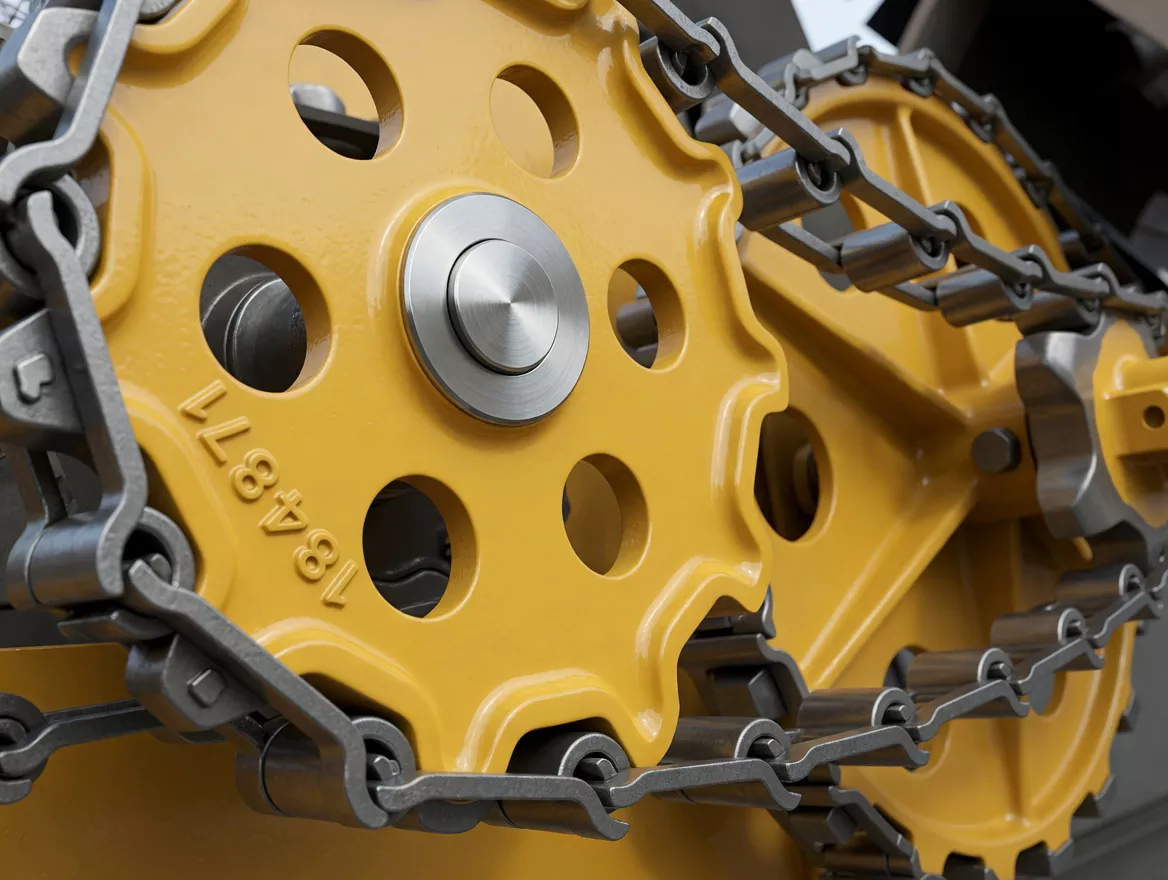
Drive the primary sorting and grading conveyor on which produce travels through weighing, optical scanning, and size-grading stations. These positions are in direct or close-proximity contact with produce and are subject to the most stringent food safety specification requirements. Any surface corrosion produces rust particles that settle onto produce and contaminate the product stream — 304 stainless steel or food-grade polymer sprockets are the correct specification.
Drive the brush washing and spray rinsing conveyors that clean root vegetables before grading. These positions are continuously wetted with wash water, are subject to high-pressure cleaning every shift, and are exposed to the organic soil deposits and microbial growth typical of root vegetable wash systems. Stainless steel is required at minimum — in some facilities 316 SS is specified for wash zones with chemical sanitiser addition.
Drive the transfer conveyors between processing stations and the elevators that move produce between processing levels. These positions may be adjacent to but not in direct contact with produce. High-build epoxy-coated carbon steel or phosphate-coated specification can be acceptable here if the sprocket surface is not reachable by direct produce contact and the facility accepts the lower corrosion resistance specification.
Drive the packaging and boxing conveyors at the end of the grading line. These positions are farthest from produce wash zones and typically operate in drier conditions. Food-grade coated carbon steel or phosphate specification is often sufficient, with stainless available for facilities running a full-stainless audit standard.
Australian produce packing facilities operating to SQF Level 2 or HACCP food safety standards are subject to regular third-party audits that inspect produce-contact surfaces for corrosion, pitting, and surface damage that could harbour pathogens or generate contamination particles. Rust particles on produce-contact conveyor surfaces are a direct audit finding that typically results in corrective action requirements and potential downtime. A single failed audit from rust contamination found on graded produce has consequences far exceeding the cost of specifying food-appropriate sprockets for the produce-contact positions in the first place.
Australian Horticulture Packing Shed Conditions
Australian vegetable packing sheds operate under food safety standards that require full washdown of all produce-contact surfaces at the end of each operating shift. This washdown cycle — typically 10–15 minutes of high-pressure water at 1,500–3,000 kPa — removes lubricant from sprocket-chain interfaces, accelerates surface corrosion on bare or inadequately-protected steel, and drives moisture into any surface imperfections. Sprockets must resist this daily washdown cycle without developing rust between daily service.
Many Australian packing facilities use chlorine-based or quaternary ammonium sanitisers in their washdown protocols. These chemicals are significantly more corrosive than plain water — chlorine sanitisers at the concentrations used in food processing (200–500 ppm available chlorine) attack standard carbon steel sprockets rapidly and can cause pitting corrosion on 304 stainless in concentrated or prolonged contact. For facilities using chlorine sanitisers in wash zones, 316 stainless (with molybdenum for chloride resistance) is the preferred specification.
Cold-storage packing facilities — particularly for leafy vegetables, strawberries, and cut flowers — operate grading lines at 4–8°C. The temperature differential between cold processing areas and ambient outside conditions creates condensation on all metal surfaces every time the facility is opened or warmed. This repeated condensation cycle promotes corrosion on any unprotected steel surfaces, including conveyor sprockets.
Grading Line Sprocket Material Selection Guide
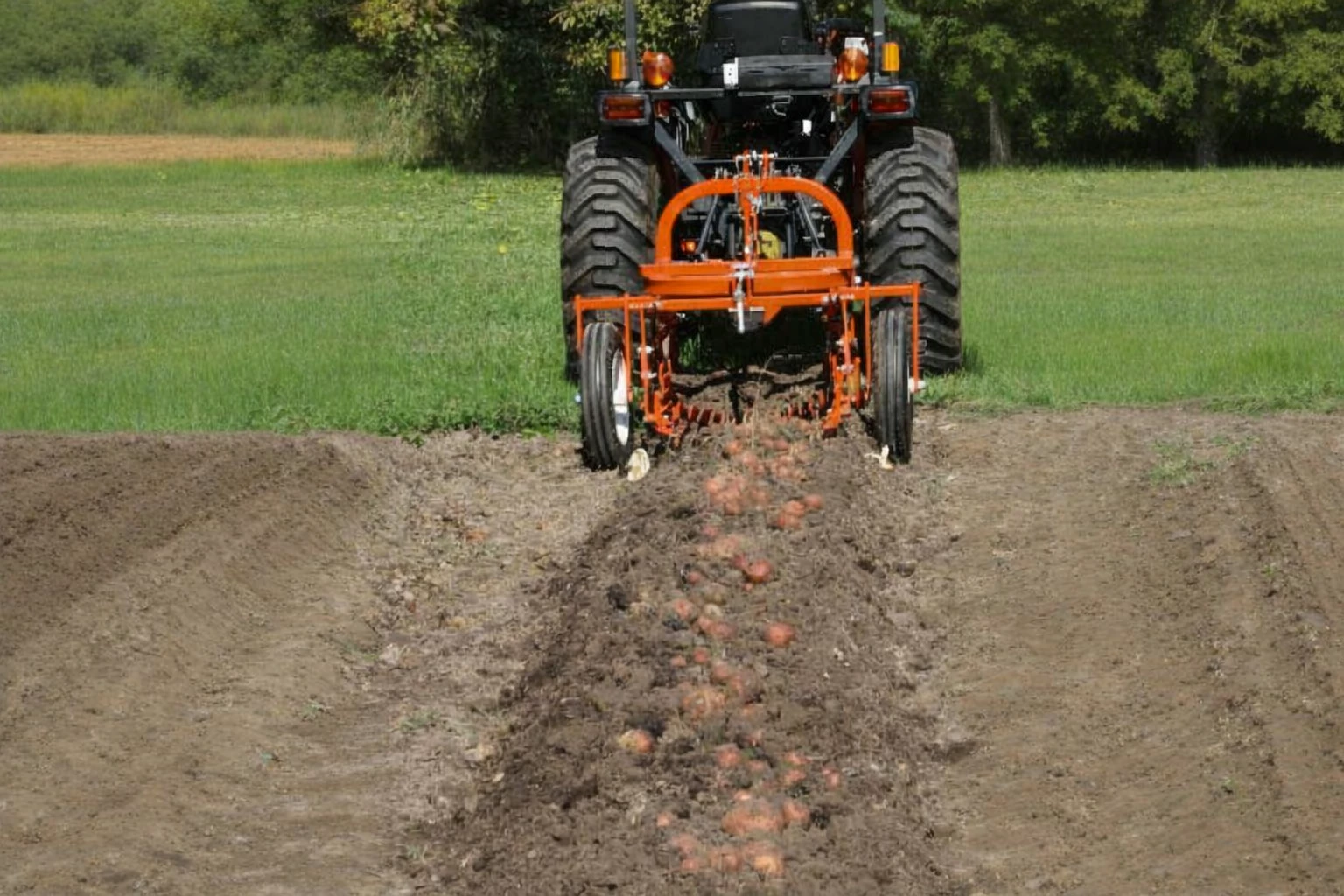
| Zone / Position | Direct Produce Contact? | Washdown Frequency | Recommended Material | Food Safety Standard | Expected Service Life |
|---|---|---|---|---|---|
| Produce-contact grading conveyor | Yes — direct | Daily high-pressure | 304 Stainless Steel | SQF Level 2 / HACCP compliant | 5–8 years |
| Wash / brush conveyor (chlorinated water) | Yes — water-mediated contact | Continuous + daily HPS washdown | 316 Stainless Steel | Required for chlorine sanitiser zones | 5–8 years |
| Non-contact transfer conveyors | No — separated from produce | Daily HPS washdown splash | 304 SS or high-build epoxy-coated carbon | Acceptable to SQF if no rust particles reach produce zone | 304 SS: 5+ years; epoxy carbon: 2–3 years |
| Packaging line drive | No — dry zone | Weekly washdown | Phosphate-coated carbon or 304 SS | Carbon steel acceptable if produce-separated | Phosphate: 2–3 years; SS: 6+ years |
| Cold storage grading (≤8°C) | Yes or adjacent | Daily HPS + condensation cycling | 304 SS minimum | Condensation cycling accelerates bare steel corrosion | 5–8 years |
The Total Lifecycle Value of Stainless vs Standard in Packing Line Applications
The most common objection to stainless steel specification for packing line sprockets is the upfront cost premium — 304 SS sprockets typically cost 2.5–3.5× the price of equivalent phosphate-coated carbon steel sprockets. The lifecycle analysis tells a different story:
| Specification | Upfront Cost (Relative) | Washdown Service Life | Replacements Over 10 Years | Audit Risk | 10-Year Total Cost (Relative) |
|---|---|---|---|---|---|
| Standard carbon steel (bare) | 1.0× | 6–12 months before rust failure | 8–16 replacements | Very high — rust particles on produce | 8–16× initial + audit remediation |
| Phosphate-coated carbon | 1.2× | 18–24 months before corrosion | 4–6 replacements | Moderate — washdown accelerates coating failure | 5–7× initial |
| 304 Stainless Steel | 2.8–3.5× | 5–8 years in produce zones | 1–2 replacements over 10 years | Minimal — compliant surface | 3–4× initial (including audit compliance value) |
| 316 Stainless Steel (chlorine zones) | 3.5–4.5× | 5–10 years in chlorine zones | 1 replacement over 10 years | Minimal | 3.5–4.5× initial |
The lifecycle cost analysis above does not include the cost of a food safety audit finding from rust contamination on produce. A single corrective action notice from a supermarket supplier audit — requiring production downtime, deep cleaning, replacement of contaminated produce, and documentation of corrective actions — typically represents a cost many times the price difference between carbon steel and stainless sprockets for the entire packing line. When audit risk is included in the lifecycle calculation, stainless steel specification for all produce-contact and wash zone positions is almost always the lower total-cost option.
Selecting the Right Specification for Your Packing Line
Walk your grading line and categorise each drive position into three zones: direct produce contact (must be stainless), non-contact but washdown-exposed (at minimum 304 SS or high-build epoxy coating), and dry non-contact (standard phosphate or carbon steel acceptable). Produce a simple zone map and specify each position accordingly. This approach delivers food safety compliance where required without mandating stainless throughout the non-risk sections of the line.
If your wash zone uses chlorine-based sanitiser at concentrations above 100 ppm, specify 316 stainless for all sprockets in the wash zone and direct-contact spray areas. 304 SS is susceptible to chloride pitting at these concentrations in sustained contact. For quaternary ammonium or peracetic acid sanitisers, 304 SS is generally adequate.
Packing lines in Australia use both ANSI and ISO/BS chain standards depending on the equipment brand and country of origin. Confirm the chain standard (ANSI 40, 50, 60 or BS 08B, 10B, 12B) before ordering stainless sprockets — a stainless sprocket of the wrong standard is a higher-value scrap part. We can confirm the standard from a photograph of the existing chain side plate.
For HACCP audit compliance, all lubricant applied to produce-contact zone chains and sprockets must be NSF H1 food-grade certified. We can supply 304 and 316 SS sprockets pre-lubricated with NSF H1 synthetic lubricant, with the lubricant compliance documentation included in the delivery paperwork. This simplifies your HACCP documentation for the conveyor drive section of the plant.
Our Food-Safe Sprocket Manufacturing Capability
- 304 and 316 Stainless In-House Manufacturing: Our stainless steel sprocket production line machines 304 and 316 SS from bar stock on dedicated CNC turning and milling centres. We do not buy in stainless sprockets from sub-contractors — the full production process is under our quality system, with material traceability from mill certificate to finished part.
- NSF H1 Lubricant Supply: We stock food-grade synthetic NSF H1 lubricant and can pre-apply it to stainless sprocket bores and tooth surfaces for delivery in food-safe packaging. The lubricant’s NSF H1 registration number is included in the delivery documentation for your HACCP records.
- Surface Finish Options: Our standard stainless sprockets have a machined surface finish of Ra 1.6 µm — smooth enough to prevent bacterial adhesion on tooth surfaces but not requiring additional polishing cost. For facilities with medical-standard hygiene requirements (salad leaves, fresh-cut produce for immunocompromised consumers), we can supply Ra 0.8 µm ground finish on request.
- ANSI and BS Standard Coverage: We manufacture food-grade stainless sprockets in both ANSI (35–80) and BS/ISO (06B–16B) standards, covering the full range of chain standards used in Australian and imported vegetable grading equipment.
- Full Material Certification: Every stainless steel order is supplied with a mill certificate confirming the 304 or 316 grade, chromium and nickel content (304 minimum), and molybdenum content (316 minimum 2.0%). This documentation is required for food safety audit compliance in SQF Level 2+ facilities.
Customer Cases
A Riverland potato packing shed running three grading lines had received a corrective action notice from a major supermarket audit citing rust particles on produce from carbon steel conveyor sprockets. After replacing all produce-contact zone sprockets with our 304 SS specification and wash zone sprockets with 316 SS, the facility passed its follow-up audit with no findings. “The audit finding cost us three production days in remediation and documentation. The 304 SS sprockets cost a fraction of that. We should have specified stainless from the beginning — your lifecycle analysis was correct and we learned it the hard way.” ⭐⭐⭐⭐⭐
A Victorian lettuce packing operation running cold-storage grading at 5°C specified our 304 SS range after condensation cycling caused rapid corrosion of their previous phosphate-coated carbon steel sprockets. “Your 304 SS sprockets have been through 14 months of daily condensation cycling in our cold packing room with no surface change. The previous carbon sprockets were showing visible rust after 6 weeks in the same conditions.” ⭐⭐⭐⭐⭐
A Hawke’s Bay apple packing operation running imported European grading equipment (BS chain standard) specified our 304 SS BS-standard sprockets for all produce-contact positions. “You are the only supplier we have found who manufactures food-grade SS sprockets in BS 10B and BS 12B standards — every other SS sprocket supplier only does ANSI. The NSF H1 lubricant documentation you include makes our HACCP records straightforward.” ⭐⭐⭐⭐⭐
A Dutch greenhouse vegetable processor running three automated capsicum and tomato grading lines sources our 316 SS sprockets for all wash and brush zones using chlorinated sanitiser. “316 SS is mandatory in our chlorine sanitiser wash zones — 304 pits within 6 months in our environment. Your 316 SS sprockets with the molybdenum content confirmed on the mill certificate are the correct specification and the price is 35% below our previous Dutch supplier.” ⭐⭐⭐⭐⭐
A Korean vegetable processor running multiple automated grading and washing lines uses our 316 SS sprockets throughout the wash zone. “The combination of chlorinated wash water and the organic acids from kimchi vegetable processing creates a highly corrosive environment. 316 SS is the only material that survives this chemistry at an acceptable service interval. Your supply reliability and material documentation quality are the best we have experienced from any supplier in this product category.” ⭐⭐⭐⭐⭐
Complete Your Packing Line Drive System
S-type, CA-type, and ANSI roller chains manufactured to the same pitch standards as our sprockets — supplied as verified matched sets.
Explore Chains →
⚡ PTO Shafts & Drivelines
T-series and wide-angle CV drivelines connecting tractor PTO power to every implement chain-and-sprocket drive we serve.
Explore Drivelines →
⚙️ Agricultural Gearboxes
Right-angle bevel and parallel-shaft gearboxes forming the upstream drive stage for PTO-powered chain systems.
Explore Gearboxes →