Forage Blower Gearbox Selection & Supply for Australian Farms
If you operate or build forage blower equipment in Australia, the wrong gearbox specification will cost you mid-season. This article walks through what makes a forage blower gearbox different from a generic farm gearbox, what the most common failure points look like in Australian conditions, and how to specify the right unit the first time. Particular focus is given to high fan speeds creating thrust loads, silage acidity attacking external coatings, and continuous high-rpm duty during silo filling.
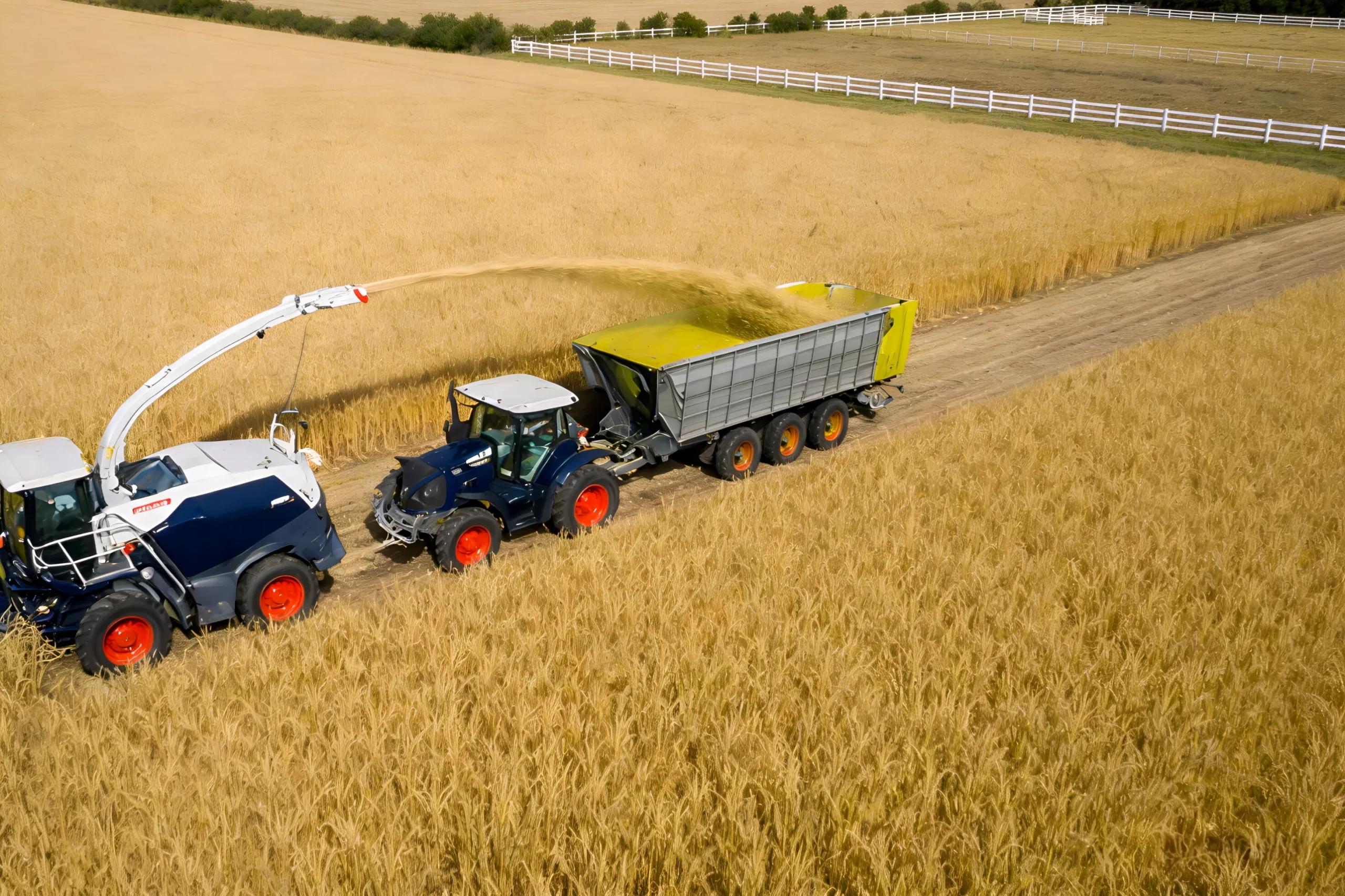
Application Scenarios & Australian Pain Points
Typical Forage Blower Equipment We Supply Gearboxes For
Australian Regional Coverage
Our forage blower gearboxes are in active service across the following Australian regions, where field conditions create distinct technical demands:
Common Failure Modes in Australian Forage Blower Operations
Years of analysing returned units from Australian operators has identified these as the dominant failure modes for forage blower gearboxes:
- !fan thrust bearing wear
- !silage acid attack on external coatings
- !continuous high-rpm duty fatigue
Need a gearbox specified to your exact forage blower equipment?
Real Australian Field Cases for Forage Blower Gearboxes
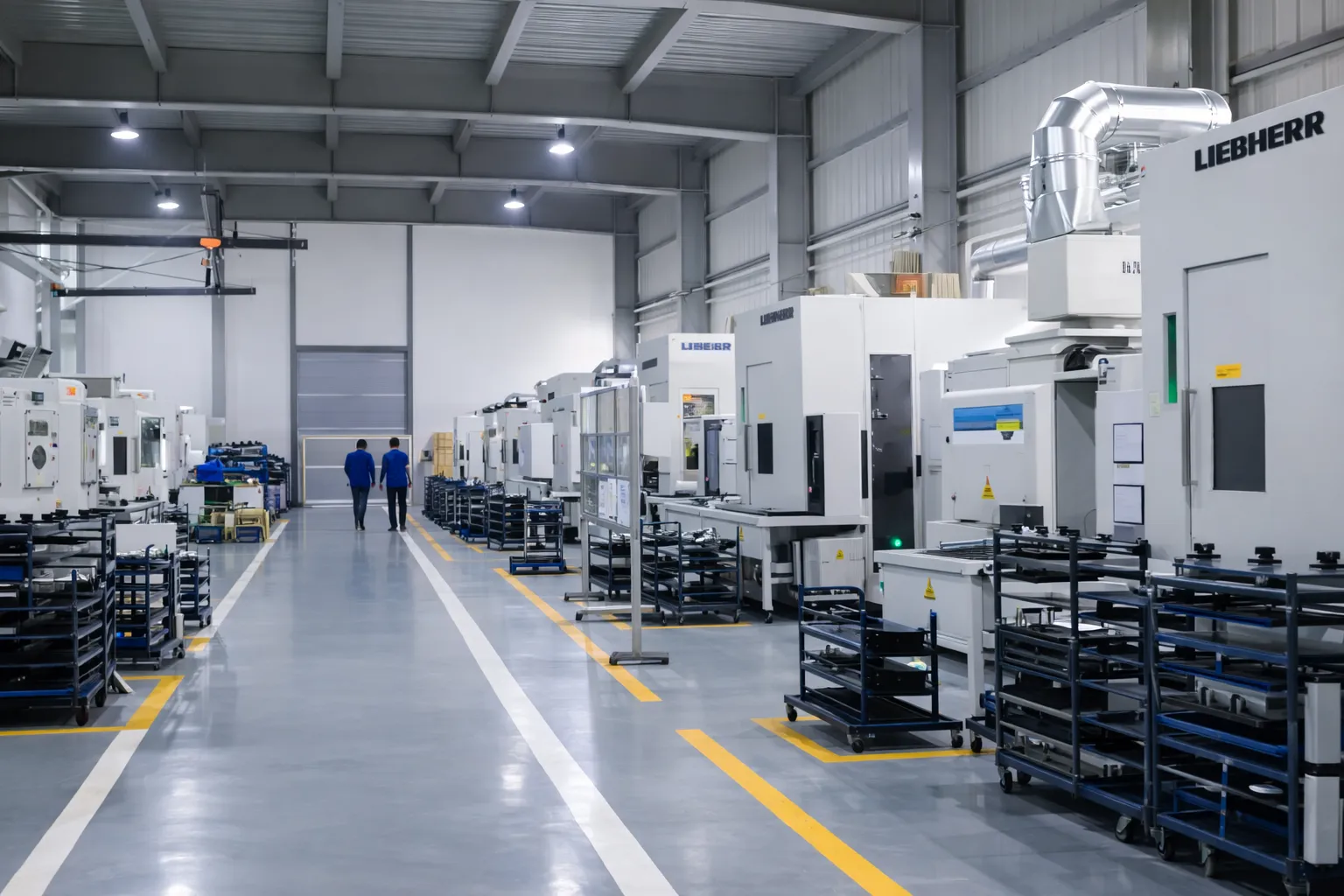
The following case studies are drawn from active service records of Australian customers across forage blower applications. Each illustrates a specific engineering challenge and the technical solution that resolved it. To learn more about the manufacturing capability behind these solutions, see our complete agricultural parts catalogue and capability overview.
Case 1: Yarragon, Victoria
Equipment: tower silo filling blower
Challenge: fan thrust bearing failure after 600 hours
Solution: upgraded to twin angular contact bearings with extended preload
Result: thrust bearing service life increased over 4 times
Case 2: Smithton, Tasmania
Equipment: upright silo forage blower
Challenge: silage acid attack on external paint
Solution: two-pack acid-resistant epoxy paint with chemical topcoat
Result: external coating intact after three silage seasons
Case 3: Korumburra, Victoria
Equipment: bunker silo blower
Challenge: continuous high-rpm duty causing bearing fatigue
Solution: high-precision deep-groove bearings with synthetic grease
Result: bearing service life extended past 4,500 hours
Case 4: Casino, NSW
Equipment: high-speed silage blower
Challenge: ratio drift causing reduced fan output
Solution: specified AGMA Class 8 ground spiral bevel gears
Result: ratio held within spec after extensive service
Case 5: Murray Valley, Victoria
Equipment: PTO-driven silo loader
Challenge: PTO input wear from continuous variable loading
Solution: case-carburised input spline with extreme-pressure grease
Result: spline condition unchanged after entire silage program
Technical Specifications & Selection Guide
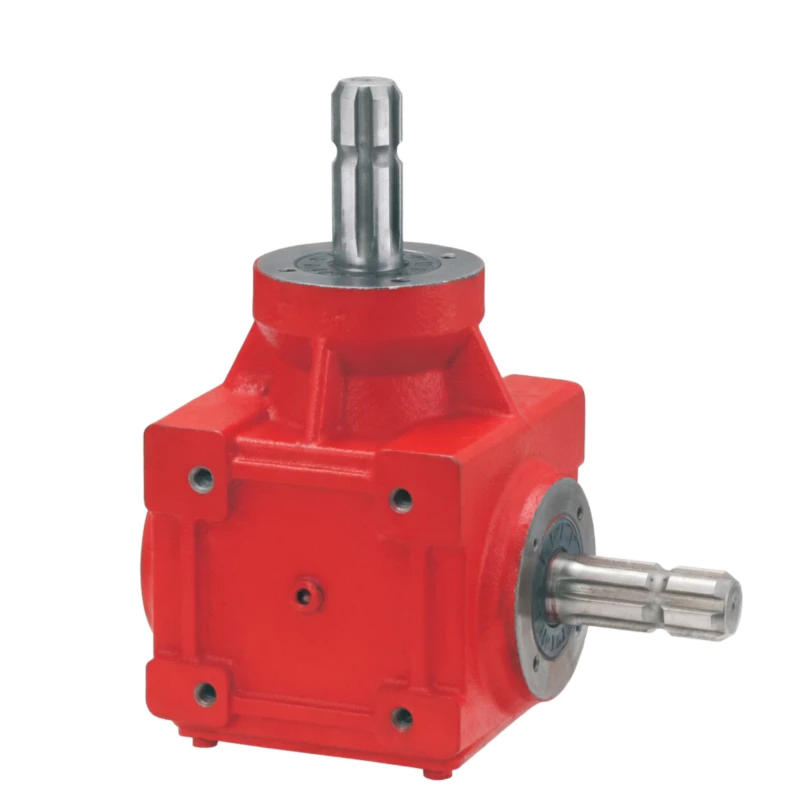
Engineering Reference Specifications
The following parameters represent the typical specification range for forage blower gearboxes supplied to Australian customers. Custom configurations are available on request.
Key Parameters Table
| Parameter | Specifikation | Why It Matters for Forage Blower |
|---|---|---|
| Input speed | 540 rpm | Affects gear pitch-line velocity and lubrication regime |
| Förhållande | 1:3 step-up | Matches input speed to required output rpm |
| Continuous torque | 180 Nm | Determines if gearbox can sustain continuous duty |
| Service factor | 1.5 | Critical for forage blower shock loading conditions |
| Höljets material | die-cast aluminium with chemical coating | Affects strength and corrosion resistance |
| Approximate weight | 11 kg | Affects mounting requirements and field handling |
| Shaft configuration | Solid, hollow, splined, keyed (configurable) | Must match implement coupling specification |
Step-by-Step Selection Workflow
- Confirm input speed — verify whether your tractor PTO runs at 540 rpm or 1000 rpm (or front PTO if applicable)
- Calculate required output — the implement manufacturer typically specifies the output rpm and torque required at the forage blower drive shaft
- Apply correct service factor — for forage blower duty we recommend at least 1.5 due to the loading characteristics described above
- Match shaft configuration — confirm spline pattern, key dimensions and shaft length for both input and output
- Specify mounting orientation — horizontal, vertical or angled mounting affects oil level and seal selection
- Define environmental sealing — based on dust, moisture and chemical exposure expected in your operation
- Verify lubrication compatibility — confirm recommended oil grade matches your service routine
Common Selection Mistakes to Avoid
Bevel vs Worm vs Helical: Which for Forage Blower?
| Type | Best for Forage Blower? | Strengths | Weaknesses |
|---|---|---|---|
| Spiral bevel | Most forage blower duty | 90 deg power transfer, high efficiency, robust | More expensive than straight bevel |
| Worm | High-reduction holding loads | Self-locking, very high ratios, compact | Lower efficiency, generates heat |
| Helical | Inline shaft applications | Quiet operation, smooth power flow | No 90 deg deflection without bevel stage |
Not sure which model fits your specific forage blower machinery?
Installation, Lubrication & Maintenance for Forage Blower Gearboxes
Correct commissioning of a forage blower gearbox is the single biggest factor in long-term reliability. The following procedures are derived from field reports across upright silo forage blowers, bunker silo blowers and similar forage blower machinery operating in Australian conditions.
Commissioning Procedure for New Forage Blower Gearboxes
Pre-Run Alignment Check
Verify input shaft alignment within 0.10 mm at the gearbox mounting flange. Misalignment is the leading cause of fan thrust bearing wear in forage blower duty.
Oil Level on Cold Fill
Fill to the indicator while the gearbox sits at its operational mounting angle. Forage Blower units running tilted or vertical require different fill volumes than horizontal mounted gearboxes.
Cover Bolt Torque Sequence
Tighten cover and seal-carrier bolts in a cross pattern to the torque specified on the shipping tag. Over-tightening distorts the seal carrier and causes immediate weeping.
Breather Vent Position
Mount the breather at the highest point. For forage blower duty in dusty Australian paddocks, fit an inline filter at the breather to prevent fan thrust bearing wear.
Lubrication Strategy for Australian Climates
Australia covers extreme temperature ranges. Forage Blower gearboxes typically experience the following oil regimes:
| Oil Specification | Application Profile | Recommended Australian Region |
|---|---|---|
| EP90 mineral GL-5 | Light to moderate forage blower duty, ambient under 30 °C | Tasmania, southern Victoria, cooler southern coastal districts |
| EP140 mineral GL-5 | Continuous forage blower duty over 4 hours, ambient 30-40 °C | QLD inland, NSW Riverina, WA wheatbelt summer operations |
| Synthetic ISO VG 220 | Heavy duty over 8 hours daily, sustained ambient over 40 °C | NT, north QLD, hot inland summer harvest operations |
Maintenance Schedule for Forage Blower Gearboxes
| Service Interval | Required Action for Forage Blower Duty |
|---|---|
| Daily / 8 operating hours | Visual inspection for oil weep at input/output seals, listen for bearing noise during run-up, hand-check housing temperature after 30 minutes |
| Every 50 operating hours | Check cold oil level, inspect breather and clean if dust build-up found, examine input shaft for fretting at coupling face |
| Every 250 operating hours | Drain oil and inspect for metal particles or water contamination, refill with correct grade, replace breather, check input shaft axial play (max 0.15 mm) |
| End of season / annual | Full disassembly inspection at workshop, replace all seals as preventive measure, gear backlash measurement (replace if over 0.20 mm), housing crack inspection, repaint exterior |
Troubleshooting Specific to Forage Blower Duty
PTO Shaft Pairing for Forage Blower Equipment
Why the Right PTO Shaft Matters
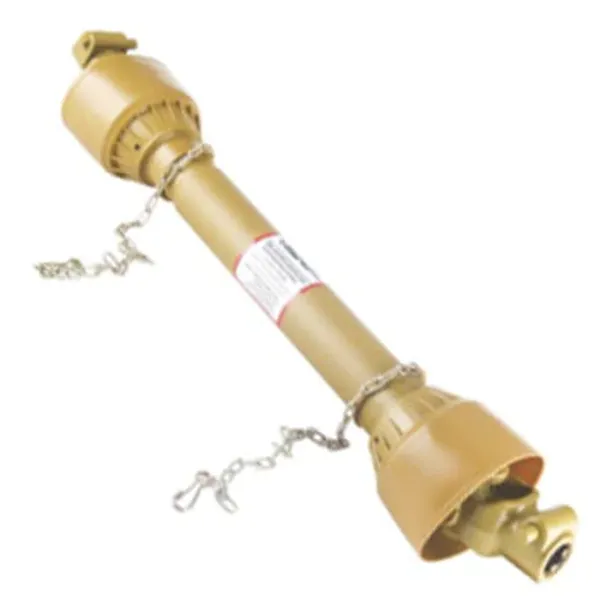
For forage blower duty, the most common preventable downtime comes from PTO shaft failures rather than the gearbox itself. Specifying a matched shaft eliminates this risk. We supply complete drivelines for upright silo forage blowers, bunker silo blowers and other forage blower configurations.
1-3/8″ 6-spline or 21-spline matched to tractor PTO
Telescoping tubes from 600 mm to 1,800 mm closed length
Friction clutch or shear bolt sized for forage blower loads
AS/NZS 4024 compliant guarding for Australian use
Pairing your gearbox order with a matched PTO shaft eliminates the dimensional mismatch issues that cause spline fretting, premature universal joint failure and clutch slippage. Browse our complete PTO shaft range for forage blower drivelines.
Frequently Asked Questions: Forage Blower Gearboxes
Common questions from Australian buyers sourcing forage blower gearboxes for their fleet operations:
Trust Markers: Why Choose Us for Forage Blower Gearboxes
Our credentials in forage blower gearbox supply rest on three pillars: certified manufacturing, field-tested design, and direct engineering relationships with Australian buyers.
Certified Manufacturing
ISO 9001 quality system since first registration. Mill test certificates and hardness reports with every forage blower gearbox shipment.
Two Decades in Market
Over 20 years building forage blower drivelines for export markets. 60+ countries served with the same engineering rigour applied to Australian buyers.
Direct Engineering Access
No layered sales structure between you and our engineering team. Our agricultural mechanical engineers respond directly to specification questions on upright silo forage blowers and bunker silo blowers.
What Australian Forage Blower Buyers Have Said
“For our upright silo forage blowers build programme we worked through three potential gearbox suppliers. Ever-power was the only one that supplied detailed engineering data and had answers for every specification question we raised. Performance in service has matched the spec exactly.”
For full details on our manufacturing capability, certifications and engineering team for forage blower gearboxes, visit our company information and certifications page. Quality documents and ISO 9001 certificate are available on request.
Get Your Forage Blower Gearbox Specification
Ready to Move Forward?
Whether you need a single replacement forage blower gearbox or are sourcing complete drivelines for an OEM build programme, our engineering team responds directly to every Australian enquiry with full technical data, recommended specifications and a written quotation.
Direct contact: [email protected] · Australia-wide delivery to all states and territories